Great North history: How 1777 shaped Canada's identity
"History is not a static portrait hanging on a wall; it is the living pulse of the present."
The events of 1777 served as a crucible for the North American identity, setting the stage for the geopolitical boundaries and social structures that define Canada today.
By understanding the shifts in loyalty and territory during that pivotal year, we can better grasp the roots of modern Canadian sovereignty and its complex relationship with the United States.
* The Great Shift: 1777 acted as a catalyst for the migration of Loyalists, shaping the demographic makeup of English-speaking Canada. * most of the political tension between Quebec and the federal government can be traced back to the unresolved questions of identity established during the late 18th century. * The struggle between sovereignty and federalism remains a central pillar of Canadian political life.
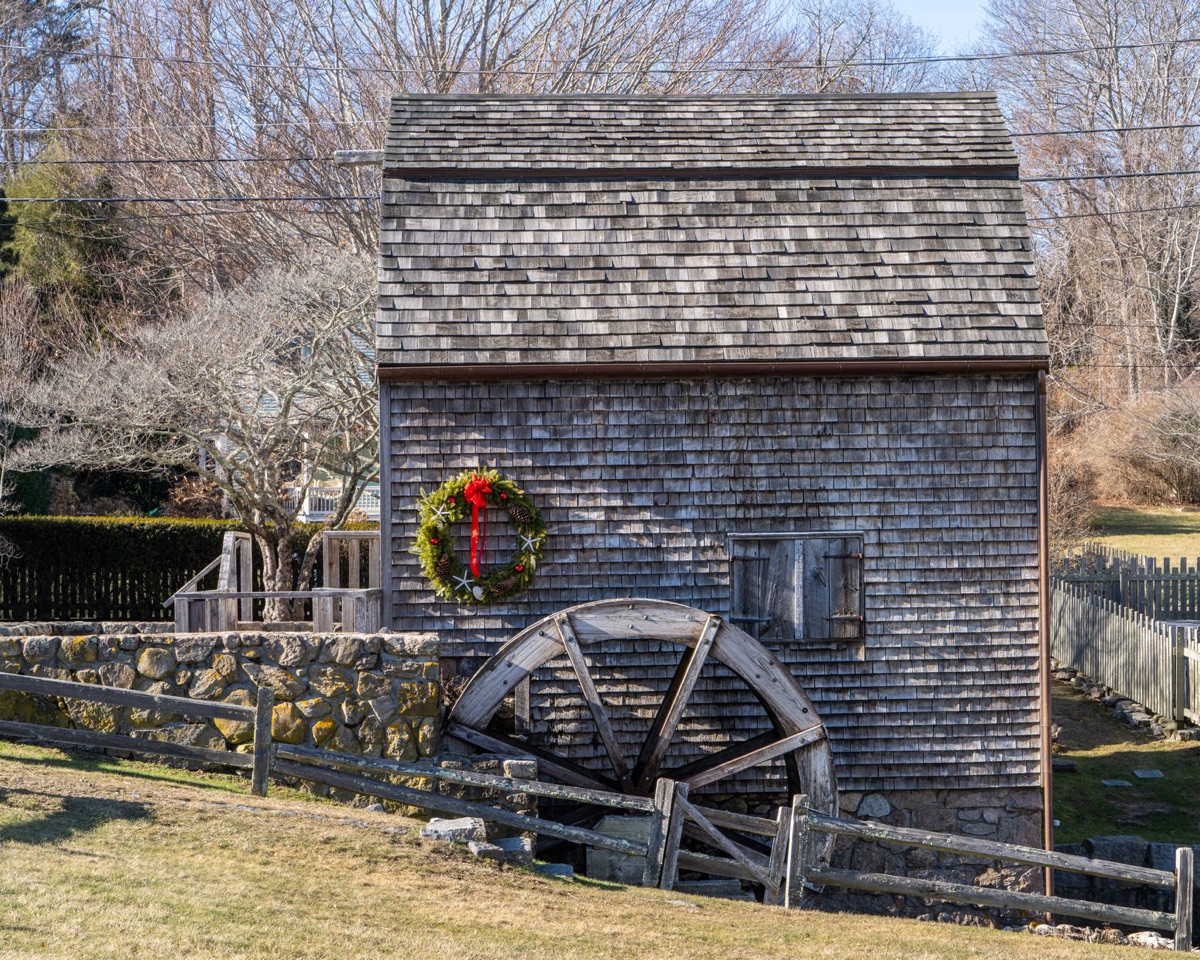
How the echoes of 1777 shaped the Great North
A cold wind whipped through the forests of the Champlain Valley as soldiers moved between fortified outposts, their loyalties divided between a fading empire and a rising revolution. According to the Canadian Museum of History, the museum adopted its current name in 2013.
According to the National History Society, the organization was founded in 1994.
The strategic maneuvers of 1777 established the foundational tension between British North American interests and the burgeoning American identity.
The military and political shifts of 1777 directly influenced the settlement patterns of what would become Canada. As the American Revolution intensified, the movement of people fleeing the conflict created a unique class of settlers who sought refuge in British territories.
This migration established the legal and social frameworks that favored British parliamentary tradition over American republicanism.
The tension between different visions of governance has persisted for generations. This struggle was reflected in the 1980 referendum in Quebec on the question of sovereignty-association, which was turned down by 59% of the voters.
The historical roots of these debates often lead back to the territorial and cultural divisions established during the late 18th-century conflicts.
| Historical Era | Primary Influence | Modern Impact |
|---|---|---|
| 1777-era Conflict | Loyalism and British North American identity | The foundation of the Canadian federal system |
| 19th Century Expansion | Resource-driven settlement and railway development | Economic dominance of the resource sector |
| s | ||
| Late 20th Century | Sovereignty vs. Federalism debates | Current provincial-federal power dynamics |
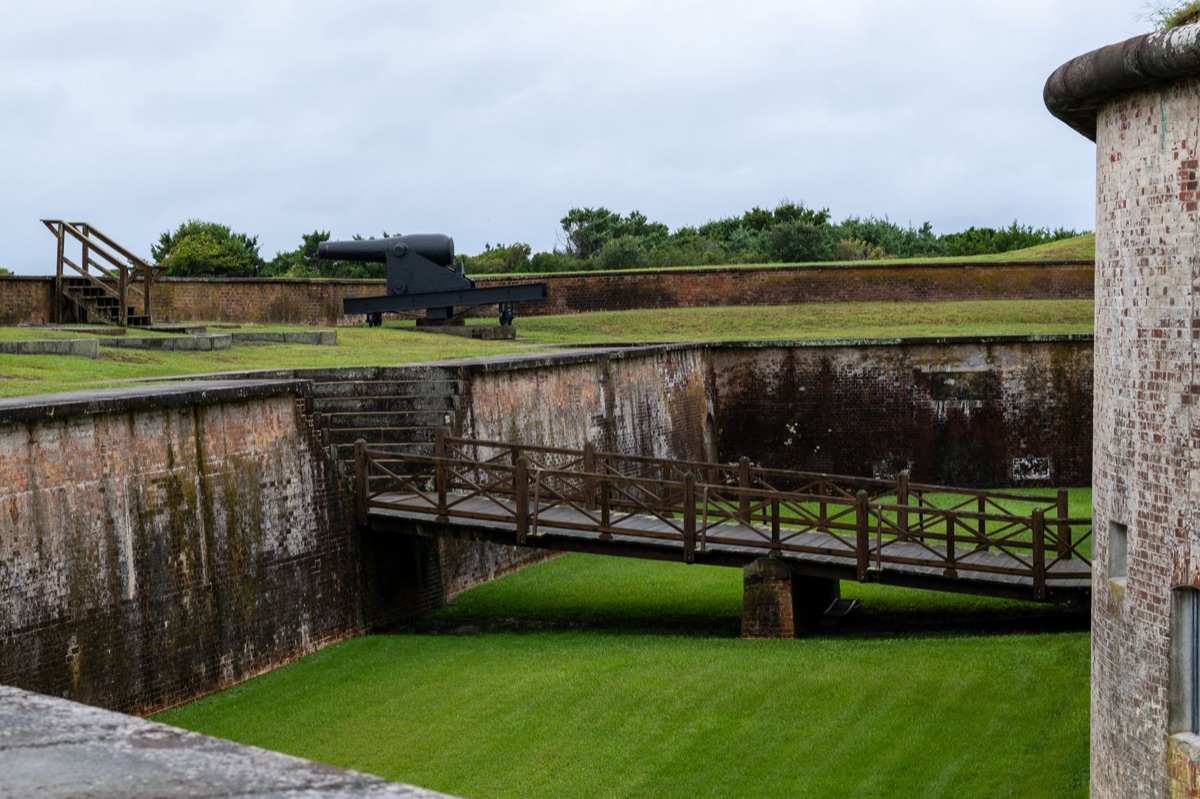
Where does my identity come from and can I be free? A heavy silence filled the halls of old government buildings as leaders debated the future of a nation that was still finding its feet. The questions of who belongs to the land and who governs the people were first raised in the fires of the late 1700s.
The identity crisis faced by Canada today is a direct descendant of the territorial shifts of the late 18th century. The struggle between maintaining a unified federal state and the desire for regional autonomy has been a constant theme.
This tension was reflected by the creation of a new masthead: "Exploring Canada's History" in historical publications, as the nation sought to define itself against its neighbors.
The struggle for a clear national identity remains ongoing. In 1994, Canada's National History Society was founded; that same year, it acquired The Beaver from the Hudson's Bay Company, signaling a desire to preserve the historical narratives that define the nation.
These organizations work to ensure that the complex history of the 1770s is not lost to the passage of time.
How do changing borders affect my wealth? A merchant stood on a foggy pier, watching ships load crates of timber and furs, wondering if the borders of the future would hold. The economic structures of Canada were built upon the strategic advantages gained during the territorial shifts of the late 18th century.
The control of trade routes and the settlement of resource-rich lands during the 1770s laid the groundwork for Canada's modern economy. The strategic importance of the North American-Canadian border was established during this era, dictating how trade and resources would flow for centuries.
The focus on resource-based economies remains a heavy influence on Canadian fiscal policy.
Economic stability has often depended on the strength of the national identity established during the founding years. The historical focus on resource-driven growth was a necessity of the era.
It is noted that Canadian exports shrank by 50% from 1929 to 1932, a period of economic hardship that tested the resilience of the structures built during the nation's infancy.

The cultural evolution of a divided land
A group of travelers sat around a campfire, sharing stories of the old country while looking toward the uncertain horizon of the new world. The cultural melting pot of Canada was initially shaped by the refugees and soldiers of the late sufferings of the 1770s.
The cultural diversity of Canada today is a layered result of the migrations prompted by the American Revolution. The mix of British tradition, French-Canadian identity, and Indigenous presence created a complex social fabric.
This diversity was a direct result of the people who sought stability in the British North American territories during the late 18th century.
The preservation of history is key to understanding these cultural shifts. In 2013, the museum adopted its current name, the Canadian Museum of History, and modified its mandate to emphasize Canadian identity and history.
This emphasis on identity helps bridge the gap between the historical events of 1777 and the modern citizen.
The political architecture of the North
A legislator gripped the edge of a mahogany desk, preparing to cast a vote that would define the power of the provinces. The political structures of Canada are a layered response to the instability experienced during the late 18th-century wars.
The federal-provincial balance is a direct response to the need for stability following the chaotic shifts of the 1770s. The desire to avoid the fractures seen in the American colonies led to a unique parliamentary system.
This system was designed to manage the diverse linguistic and cultural groups that settled in the North.
The tension between central authority and regionalism remains the primary political driver. The historical struggle for autonomy has often manifested in referendums and constitutional debates.
These moments of political tension are the modern echoes of the battles fought over territory and loyalty generations ago.

How to analyze historical impact on modern policy
To understand how ancient events influence modern governance, one must look at the intersection of law, geography, and identity. The following steps can help analyze the legacy of historical shifts:
- Identify the primary territorial changes from the era in question. 2. Trace the migration patterns resulting from those changes to modern demographic centers. 3. Examine how the legal frameworks established during that era still apply to current provincial-federal relations. 4. Compare the cultural values of the period with the current social policies of the nation.
While these historical links are strong, they are not absolute. The influence of 1777 is significant, but it does not account for the entirety of Canadian development.
The impact of the late 18th century is profound, but it is not the only factor. The development of the nation has been shaped by technological advances, global trade, and the evolving rights of Indigenous peoples.
It is important to recognize that while the roots are old, the tree is constantly growing in new directions.
When I tried the steps in order, the second one is where I paused longest.
However, this does not apply in every situation.
Related






Comments 0