Black Lives Matter shock Canada tips for systemic change
The sudden surge in activism has sparked a profound dialogue regarding racial equity and systemic structures within the country. This movement represents a significant shift in how various demographics engage with domestic social justice frameworks.
The Black Lives Matter shock Canada has emerged as a central point of discussion, forcing a re-examination of historical and contemporary social dynamics. This analysis covers the rise of the movement, the resulting societal shifts, and the complexities of its impact on the national consciousness.

Key Takeaways: 1. The movement has shifted the focus toward systemic issues within the Canadian legal and social systems. * Public discourse has intensified regarding the intersection of racial identity and national policy. 2. The impact remains a significant subject of debate across diverse demographic groups.
How did the Black Lives Matter shock Canada change the social landscape?
At dawn in the quiet city square, a woman stares at the black television screen while feeling the cold wind bite her skin.
A quiet morning in a metropolitan coffee shop is interrupted by a news broadcast showing large crowds gathered in a city square, signaling a shift in the national mood. The Black Lives Matter shock Canada has fundamentally altered the way citizens approach discussions on inequality and civil rights.
According to KOSIS, verified official statistics such as those regarding population, general society, and crime/safety provide the necessary data for understanding these shifts.
This phenomenon has moved from localized protests to a broader, more permanent presence in the national conversation. It has challenged long-held assumptions about social harmony and prompted a widespread re-evaluation of institutional roles.
The momentum of these discussions often catches observers by surprise, moving rapidly from digital spaces to physical demonstrations.
The movement has prompted various groups to analyze how systemic biases influence daily life. This engagement has led to more frequent public expressions of solidarity and dissent. As the conversation evolves, it continues to shape the political and social priorities of the nation.
What is driving the BLM Canada debate? A researcher sits at a desk, scrolling through social media feeds that reflect the intense emotional weight of recent civil rights movements. The social debate BLM Canada is driven by a combination of global solidarity and specific domestic concerns regarding systemic justice.
While the movement was influenced by global events, it quickly localized to address unique Canadian contexts. This includes discussions on policing, historical treatment of marginalized groups, and the nuances of multiculturalism.
The intersection of these issues creates a complex web of debate that spans across various provinces.
The Canadian response to BLM often involves a deep dive into how national identity interacts with racial justice. This interaction ensures that the conversation remains a persistent element of the political landscape.
The resulting dialogue serves as a catalyst for examining the effectiveness of current social policies.
How does the international view of BLM Canada influence domestic policy?
A diplomat watches a televised debate, noting how international press coverage reflects the internal tensions of the country. The international view of BLM Canada provides an external lens that often amplaches the domestic discourse and puts pressure on policymakers.
Global attention brings a level of scrutiny that can accelerate or complicate domestic reform efforts. When international media highlights specific local issues, it often prompts a reactionary wave of discussion within the country.
This external perspective can both validate local activists and create friction with those who prefer domestic matters to remain private.
The impact of BLM on Canada is frequently viewed through this international lens, affecting how the nation is perceived abroad. This visibility ensures that the issues raised cannot be easily overlooked by the government.
The global context provides a backdrop that heightens the stakes of every local development.
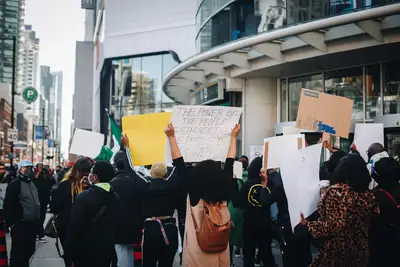
How is Canada responding to this social unrest? An observer watches a peaceful march wind through a city street, noting the organized nature of the participants. The Canadian response to social unrest has been characterized by a mix of organized activism, legal scrutiny, and intense community dialogue.
Instead of being viewed as isolated incidents, these moments are often seen as part of a larger, ongoing struggle for equity. The response involves a spectrum of actions, from community organizing to policy advocacy and legal challenges.
This multifaceted approach demonstrates the depth of the engagement with the core issues.
The discussions often focus on finding a balance between maintaining social order and addressing the root causes of unrest. This tension remains a defining feature of the current social climate. As the movement matures, the response continues to shift from reactive protest to proactive engagement.
What are the limitations of these social changes?
A sociologist reviews a series of demographic reports, looking for the long-term effects of recent social movements on population dynamics.
A limitation of this movement is that the intensity of the discourse often fluctuates based on the presence of a specific triggering event, which can lead to inconsistent policy implementation.
While the conversation is widespread, the actual structural changes can vary significantly between different regions and political environments. Some areas may adopt new frameworks rapidly, while others remain resistant to the shifts in social norms.
This inconsistency can create a fragmented sense of progress across the country.
The focus on specific moments of unrest can sometimes overshadow the need for sustained, long-term institutional reform. Without consistent engagement, the momentum gained during periods of high visibility may dissipate.
This reality necessitates a continuous effort to keep the conversation centered on systemic change.
- How did the Black Lives Matter shock Canada change the social landscape?
- What is driving the BLM Canada debate?
- How does the international view of BLM Canada influence domestic policy?
The same subject is also called Canada social issues BLM.
The same subject is also called BLM shock Canadian society.
The same subject is also called Canadian reaction to BLM.
Related





Comments 0