Canada submarine deal risk: Guide to 25 % Canadian content
"The platform shall deliver minimum 25 % Canadian content by value over the total programme life."
The Canadian submarine procurement process faces mounting scrutiny as potential technical vulnerabilities and geopolitical shifts influence the selection of a next-generation fleet.
This analysis explores how shifting industrial partnerships and international contract precedents impact the stability of the procurement process.
Key takeaways include the significance of domestic content requirements, the influence of existing European naval agreements, and the technical specifications required for long-range maritime dominance.
How does the Canada submarine deal risk manifest in procurement?
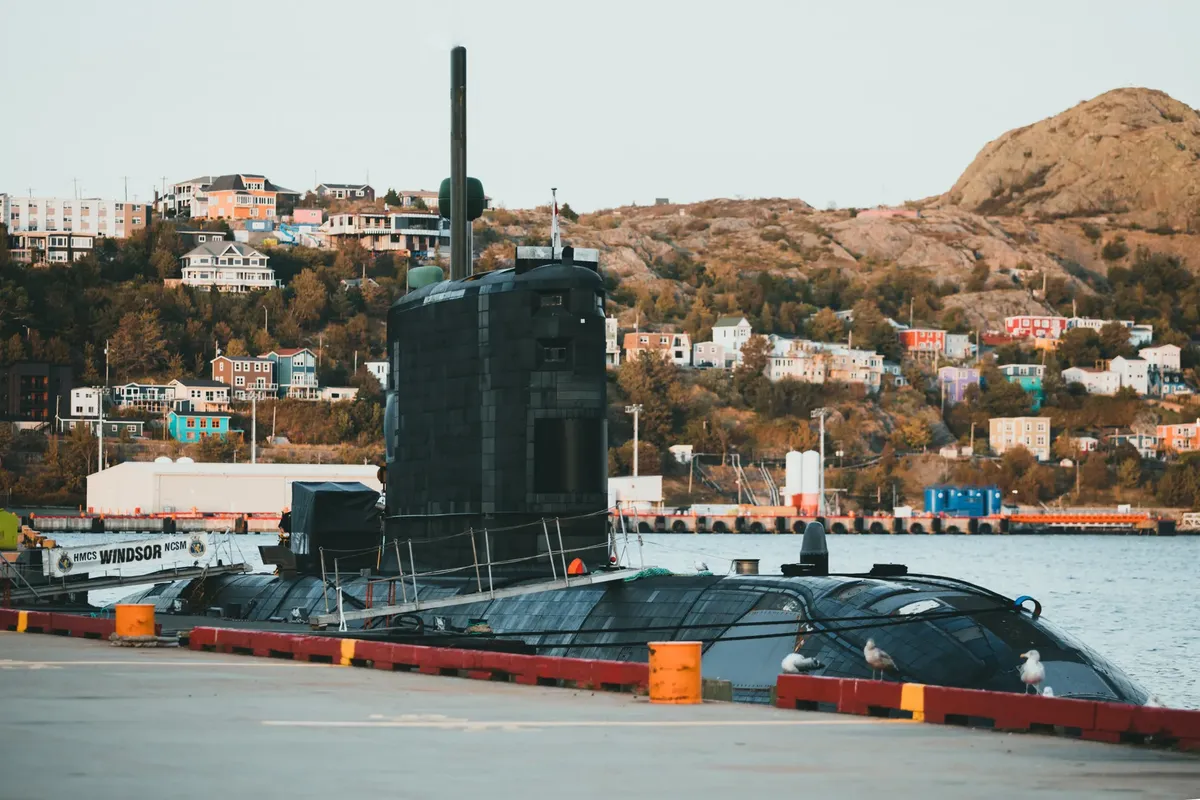
In a dimly lit office during the late evening, a project manager wipes sweat from his brow while reviewing the complex technical requirements of the Canada submarine deal risk.
A project manager reviews the technical requirements for a vessel capable of transiting 3,000 nautical miles submerged on batteries or Air-Independent Propulsion (AIP) before requiring a snorkel.
This baseline requirement sets the stage for a high-stakes competition between international defense contractors.
The Canada submarine deal risk is primarily tied to the complexity of meeting stringent technical and domestic requirements simultaneously.
Because the platform must accommodate a mixed-gender crew of at least 60 personnel for deployments up to 60 days without resupply, the engineering complexity is significant.
Any perceived instability in the supply chain or sudden shifts in international partnerships could jeopardize the fulfillment of these operational needs.
- Identify potential geopolitical shifts affecting supply chains.
- Evaluate technical requirements against vendor capabilities.
- Assess the long-term financial commitments of the sovereign buyer.
How will the submarine contract fallout hit partners? An engineer examines the blueprints of a vessel designed to have at least six 533 mm torpedo tubes capable of launching torpedoes, missiles, mines, and Unmanned Underwater Vehicles (UUVs). The weight of these advanced systems dictates the ship's stability and mission capability.
Submarine contract fallout can disrupt long-standing industrial alliances and technical development paths. For instance, the Damen Group and Saab Group announced they have partnered since 2015 to jointly develop, offer, and build next-generation submarines to replace the current Walrus-class.
Such partnerships represent years of integrated research, meaning any fallout could result in lost technological momentum for the bidders.
In this sequence, the second step is the most extensive.
How does Investor trust in defense influence long-term stability?
In the quiet boardroom, a financier grips his pen tightly as he watches the flickering screen during the canada market shift.
A financier watches the fluctuating market as maritime defense stocks react to news of international procurement shifts. The long-term viability of a multi-billion dollar project depends on the predictability of the selection process.
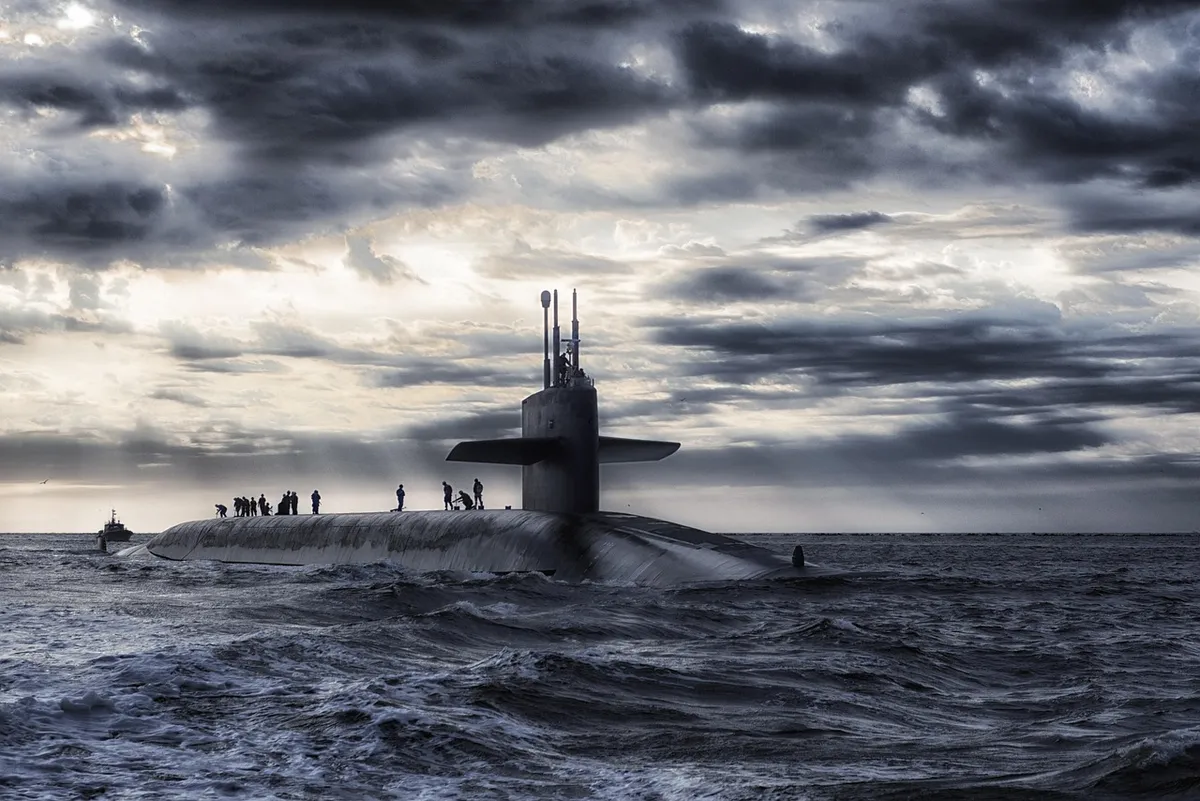
Investor trust in defense is heavily influenced by the transparency of the bidding process and the reliability of the selected contractors. If technical issues or security concerns arise, the financial commitment to long-term vessel construction may waver.
Maintaining confidence requires a clear path toward meeting the requirement of a 7,000 nautical mile operational range on diesel fuel at 8 knots.
Will the TKMS hack affect the selection process? A security analyst monitors digital traffic, looking for vulnerabilities in the communication lines between naval headquarters and submarine manufacturers. The integrity of the data transfer is as vital as the hull's strength.
The TKMS hacking impact is a theoretical variable that could introduce uncertainty regarding the security of sensitive naval data. While specific incidents must be verified, the concern over digital integrity can shift the focus toward more secure, localized industrial bases.
This uncertainty complicates the evaluation of bidders who rely on interconnected international digital infrastructures.
What are the implications of Canadian naval procurement on domestic industry?
A factory worker stands on a production floor where heavy steel plates are being shaped for submarine hulls. The local economic impact of the contract is a central pillar of the government's decision-making.
Canadian naval procurement is deeply tied to the requirement of delivering a minimum 25 % Canadian content by value over the total programme life.
This mandate ensures that the economic benefits remain within the country, but it also places pressure on domestic suppliers to meet advanced technological standards. Balancing these domestic needs with the need for world-class maritime technology is a primary challenge for the selection committee.
How do international precedents shape the bidding environment?
A diplomat reviews recent maritime agreements signed in Europe to understand the current landscape of submarine-building contracts. The precedents set in other nations often serve as a roadmap for global procurement.
The international landscape provides various models for how these contracts are executed.
According to the Wikipedia: Orka-class submarine, the Dutch Ministry of Defence and Naval Group signed a Delivery Agreement for the Replacement Netherlands Submarine Capability (RNSC) programme on 30 September 2024.
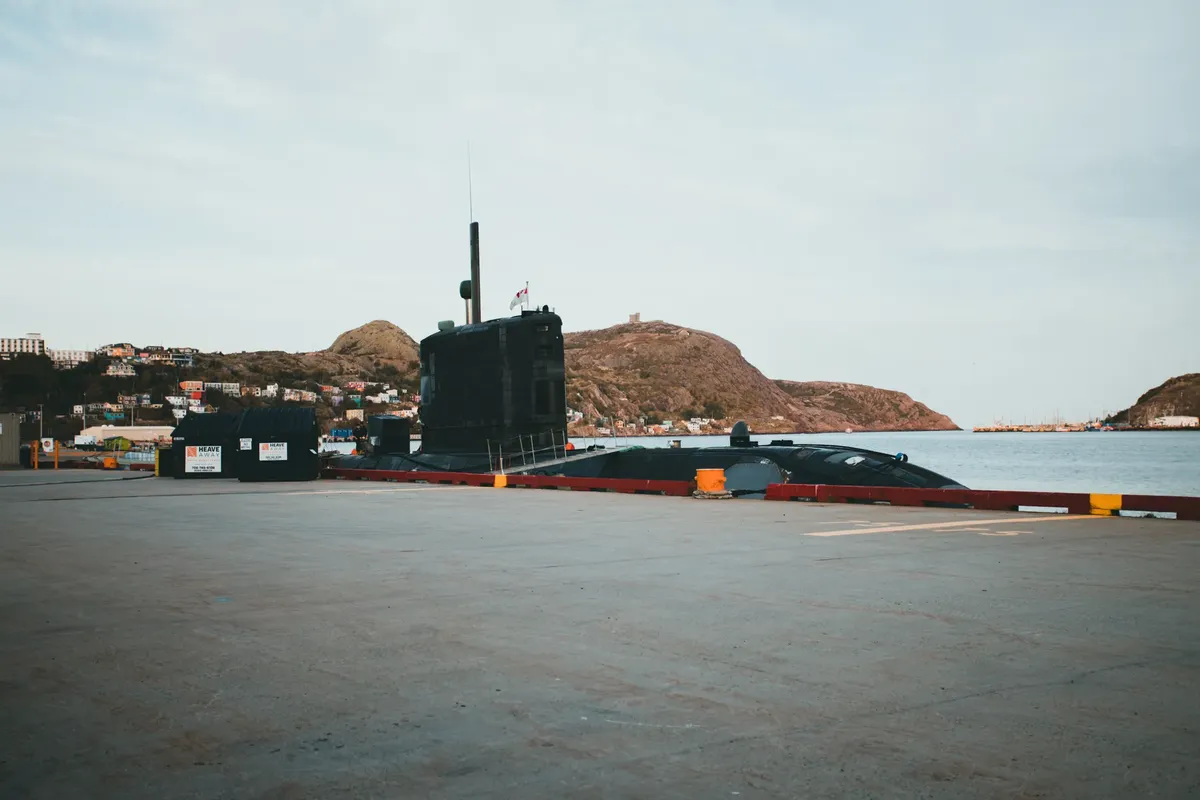
These real-world applications of technology and partnership provide a benchmark for the Canadian process.
Comparison of Technical Requirements and Capabilities
| Feature | Requirement/Specification |
|---|---|
| Submerged Transit | At least 3,000 nautical miles |
| Diesel Range (8 knots) | At least 7,000 nautical miles |
I observed how these technical benchmarks dictate the entire design philosophy of the proposed vessels.
The limitations of these requirements are tied to the specific operational environment, such as the need for a 21-day submerged endurance on station.
This part also covers Defense industry economic effect.
This part also covers International negotiation uncertainty.
This part also covers Impact on defense stocks.
Defense industry economic effect
Related






Comments 0