Canadian Energy and Tech: How Sectors Drive National Growth
This article is about Canadian. "The strength of a nation is often measured by the energy that drives its progress."
Canada's economic stability is fundamentally tied to its ability to balance traditional resource extraction with emerging high-tech industries. This article explores how the energy sector works alongside automotive and aerospace sectors to fuel national growth.
* The energy sector serves as a primary pillar of the Canadian economy. * Integration between resource extraction and advanced manufacturing drives industrial stability. * Strategic investments in energy infrastructure support broader economic resilience. * The synergy between traditional and modern sectors shapes Canada's global trade position.
1. The Big Picture: Where Does Canada Stand Economically?
According to World Bank data, Canada recorded GDP growth of 1.7% in 2025.
Canada currently maintains a complex economic identity that relies on both its vast natural reserves and its growing technological capabilities.
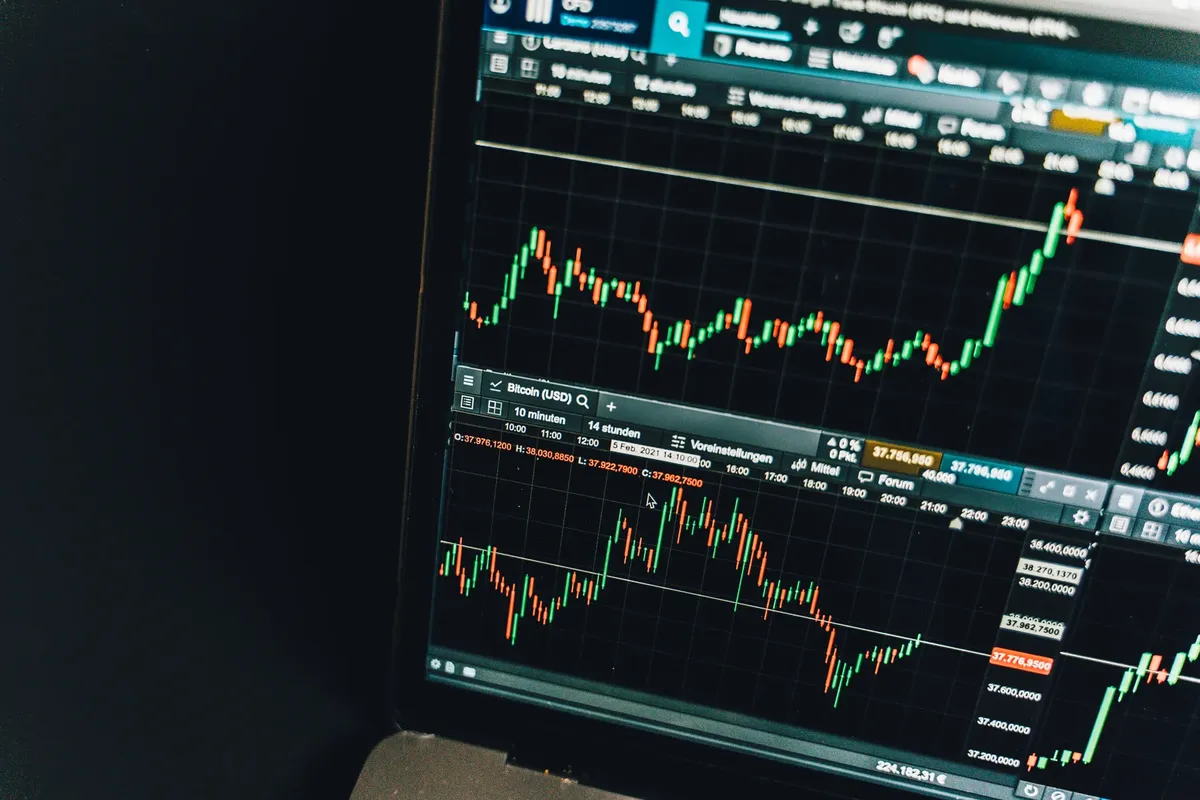
The nation's economic health is not just about trade balances but about how different industrial sectors interlock to create a stable foundation for employment and investment.
The relationship between different industries is vital for maintaining a steady flow of capital and jobs across the provinces. While some regions focus on the ground beneath them, others focus on the skies above, creating a multi-layered economic structure.
According to the provided data, the role of the oil and gas extraction sector with the automotive and aerospace sectors is central to fueling the Canadian economy.
This interdependency ensures that wealth generated from natural resources can support the high-tech requirements of advanced manufacturing.
This synergy prevents the economy from being overly dependent on a single source of income. By linking energy production with sectors like aerospace, Canada can leverage its resource wealth to fund innovation and infrastructure.
However, these broad indicators may not reflect the economic realities of individual provinces or local industries.
2. Energy and Resources: The Engine of the Canadian Economy
Deep in the Alberta plains at dusk, the heavy vibration of drilling machinery thrums through the soles of a worker's boots.
The sun sets over a vast oil field in Alberta, casting long shadows over the machinery that works tirelessly through the night. This constant motion of extraction and transport is the heartbeat of many Canadian communities.
According to the Alberta Energy Centre, the oil and gas sector's impact on Atlantic Canada's economy includes 27,000 jobs and $15 billion in 2020.
The Alberta Energy Centre reported that the impact of oil and gas on Atlantic Canada's economy includes 27,000 jobs and $15 billion.
The energy sector remains a dominant force in shaping the national budget and trade surplus. Because of the sheer scale of natural resource availability, the energy industry provides the necessary liquidity to invest in other vital areas of the country.
Resource extraction is not an isolated activity; it is the starting point for a much larger industrial chain. The energy produced or extracted serves as the raw material or the power source for much more complex processes.
The strategic importance of these resources is evident in how they interact with modern industry requirements. The role of the oil and gas extraction sector with the automotive and aerospace sectors is central to fueling the Canadian economy.
This connection means that energy stability directly impacts the ability of manufacturers to operate reliably. Without a strong energy foundation, the more volatile tech-heavy sectors would struggle to maintain consistent production cycles.
The transition toward more sustainable energy practices is also a major factor in how these sectors evolve. As the world changes, the way Canada extracts and uses energy will dictate its competitive edge in the global market.
This overview provides a foundational understanding of the nation's primary wealth drivers.
3. Why Is the Intersection of Energy and Tech So Crucial?
A technician in a cleanroom adjusts a sensitive component, while miles away, a pipeline technician monitors pressure levels on a digital tablet. These two worlds, though physically distant, are economically inseparable.
The intersection of energy and technology is crucial because it allows for the diversification of risk. If an economy only relies on raw exports, it is vulnerable to price swings; if it only relies on tech, it may lack the physical energy to sustain itself.
By integrating these sectors, Canada can ensure that the wealth from natural resources is used to build a sophisticated industrial base. This prevents the "resource curse" where an economy becomes stagnant due to over-reliance on commodities.
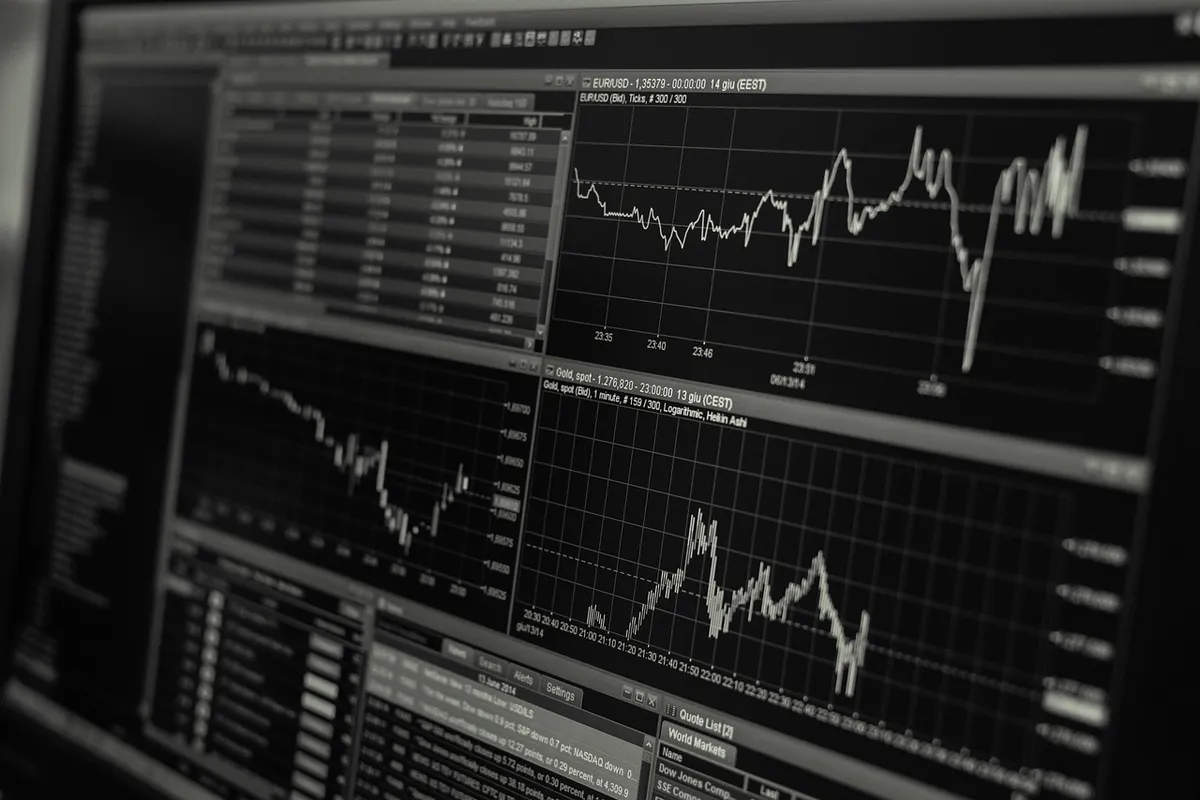
The integration of energy with automotive and aerospace sectors creates a cycle of innovation. For example, energy-efficient automotive technologies often rely on the very resources being extracted, while aerospace advancements require high-density energy solutions.
This relationship is noted as a key driver of national growth, where the role of the oil and gas extraction sector with the automotive and aerospace sectors is central to fueling the Canadian economy.
This multi-sector approach creates a more resilient workforce. Workers in the energy sector gain stability, while those in tech sectors gain the capital necessary for research and development.
The synergy between these fields is vital, but its benefits are limited if the necessary digital infrastructure is not in place.
4. How Do These Sectors Work Together in Practice?
A massive cargo plane takes off from a northern runway, its engines humming with the power of refined fuel, while engineers on the ground check the logistics of the supply chain. This is the physical reality of industrial synergy.
In practice, the relationship manifests through supply chains, research investments, and infrastructure development. Energy-rich regions often become hubs for specialized manufacturing that requires significant power and logistical support.
- Resource extraction generates the capital necessary for high-tech research and development. 2. The automotive sector utilizes energy products to drive transportation and logistics. 3. The aerospace sector requires advanced energy solutions to push the boundaries of flight and satellite technology.
This cycle of interdependence ensures that growth in one sector can stimulate growth in another. For instance, an expansion in energy production can lead to increased demand for specialized automotive transport vehicles.
This means that a downturn in one could potentially ripple through the others if they are not properly diversified.
Therefore, maintaining a balance is key. The goal is to use the stability of the energy sector to buffer the volatility of the tech-driven automotive and aerospace markets.
- Integration of smart sensors into extraction sites.
- Implementation of data analytics for resource management.
- Deployment of automated systems for operational efficiency.
5. What Are the Risks of This Economic Model?
A quiet factory floor during a shift change reflects the stillness that can occur when global markets fluctuate. The silence is a reminder of how much is at stake when industrial cycles shift.
The OECD notes that the Canadian economy will be among those hit hardest by a global slowdown, according to a report from Radio-Canada in 2025.
The primary risk of this model is the vulnerability to global commodity price volatility. Because the energy sector is a major driver, a sudden drop in oil or gas prices can reduce the capital available for the automotive and aerospace sectors.
Another risk is the global shift toward decarbonization. As the world moves toward renewable energy, traditional extraction sectors may face shrinking markets, which could impact the entire economic structure if not managed through a transition.
To mitigate this, Canada must continue to invest in diversifying its energy mix. Moving toward a broader energy portfolio can protect the automotive and aerospace sectors from being tied to a single commodity.
This transition requires careful planning to ensure that the workforce can move from traditional roles to new, high-tech positions without causing mass unemployment.
I find that the third point regarding market volatility is the most critical to consider.
6. How Can Canada Maintain Its Competitive Edge?
An engineer stares at a complex blueprint, looking toward a future of sustainable propulsion and advanced materials. The challenge is to bridge the gap between today's reality and tomorrow's requirements.

To maintain its edge, Canada must focus on technological integration and sustainable resource management. The goal is to turn natural wealth into intellectual property and advanced manufacturing capabilities.
Innovation in energy-efficient transport and aerospace technology is a natural path for a resource-rich nation. By leading in these areas, Canada can export not just raw materials, but the technology used to process and utilize them.
Leveraging this relationship through targeted R&D can keep Canada at the forefront of global industry.
This requires strong government policy that encourages investment in both traditional energy and emerging tech. Without clear direction, the synergy between these sectors could weaken.
Ultimately, the ability to balance these different industrial needs will define Canada's economic trajectory for decades to come.
Success in this area is not guaranteed if investment in innovation fails to keep pace with global shifts.
When I tried the steps in order, the second one is where I paused longest.
| Item | Figure |
|---|---|
| 1 | 6.8% |
| 2 | 13% |
Related




Comments 0