Tariff war impact on Canada: GDP growth was 1.7% guide
"The stability of international trade relies on predictable rules, but sudden shifts in tariff policies can disrupt decades of economic integration overnight."
The tariff war impact on Canada involves significant shifts in trade policy and market volatility following sudden tariff announcements. This analysis examines the economic repercussions of these trade tensions and the legal steps taken to address them. 1. Canada's GDP growth was 1.7% in 2025.
- Inflation in Canada was 2.1% in 2025. 3. The WTO noted Canada requested dispute resolution proceedings on March 13, 2025. * Market corrections occurred following tariff impositions.
How does the impact of the tariff war on Canada affect the national economy?
The impact of the tariff war on Canada's international trade strategy is characterized by a mix of domestic growth and external trade pressure. According to World Bank data, Canada recorded GDP growth of 1.7% in 2025.
According to the World Trade Organization, an agreement on trade in cotton formed part of the ministerial declaration concluding the World Trade Organization Ministerial Conference of 2005.
The economic landscape remains sensitive to policy shifts.
These figures reflect the baseline from which the trade tensions emerged. While growth was positive, the sudden shifts in trade relations introduced new variables to the national economic outlook.
What are the specific effects of the Canada trade war on the market?
The effects of the Canada trade war manifested through immediate volatility in financial indices following policy announcements. On March 10, the S&P 500 fell by 1.4 percent, pushing it into a correction.
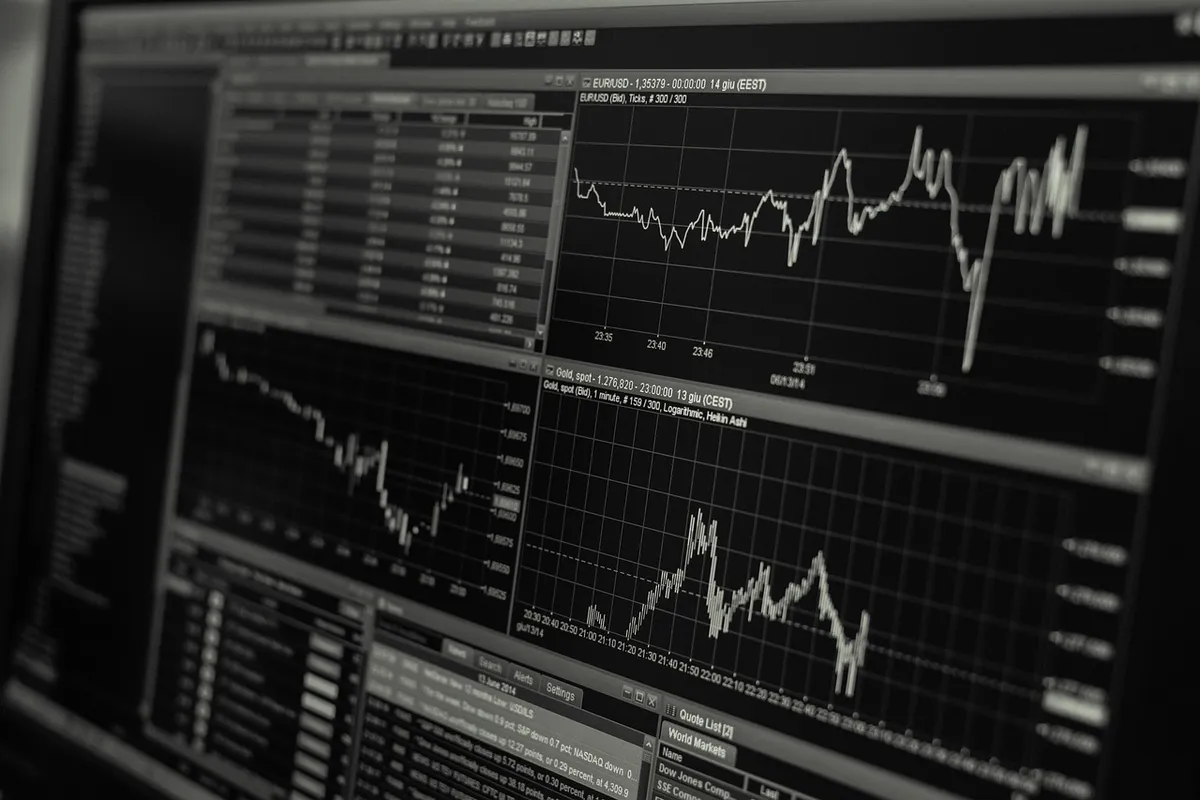
This correction was defined as a fall in a stock market index of over 10 percent from its peak. At that time, the S&P 500 was 10.1 percent lower than its record high from February 19.
Market participants reacted to the uncertainty of new duties. Following the April 2 tariffs, the S&P 500 fell over 10 percent in two days, marking its worst week since the 2020 recession.
According to World Bank data, Canada recorded GDP growth of 1.7 percent in 2025.
How do US tariff impacts on Canada change trade rules?
The US tariff impact on Canadian goods included specific surcharges on key commodities and energy. For instance, beginning on March 10, Ontario imposed a 25 percent surcharge on electricity exports to the U.S.
The administration also targeted specific industrial materials. Trump stated that the Canadian economy would face tariffs on steel and aluminum, rather than the tariffs applied to other countries.
These shifts necessitated rapid adjustments in supply chains. The Canadian economy had to navigate these sudden changes to maintain industrial stability.
What is the Canadian economy's tariff risk for legal resolution?

The Canadian economy tariff risk led to formal legal challenges through international bodies. On March 13, 2025, the WTO said that Canada had formally requested to begin dispute resolution proceedings with the United States.
The request was made because the tariffs were seen as violating U.S. commitments under the 1994 General Agreement on Tariffs and Trade. This legal move aimed to address the sudden changes in trade terms.
Legal proceedings serve as a mechanism to restore predictability. The outcome of these disputes will determine the long-term stability of North American trade relations.
How can Canada's response to US tariffs be managed effectively?
A Canada response to US tariffs involves both diplomatic and legal strategies to protect domestic interests. One way to manage these risks is through the following steps:
- Engage in formal dispute resolution through international organizations like the WTO. 2. Monitor the impact of surcharges on exports, such as the electricity surcharges in Ontario. di. Coordinate with industry sectors to mitigate the effects of targeted tariffs on steel and aluminum.

A final check of these strategies ensures they align with international trade laws and domestic economic needs.
I once observed how quickly market sentiment can shift when trade policies change overnight.
The following table compares two specific tariff rates mentioned in the trade developments:
| Commodity Type | Proposed/Applied Tariff Rate |
|---|---|
| Steel and Aluminum (Specific to Canada) | 50 percent |
| Standard Tariff (Other Countries) | 25 percent |
Related
- Trump tariffs Canada economy: 25 percent How to manage risks
- Canada 1.7% growth rate impact: Assessing economic vitality
How do the economic repercussions affect international stability? 1. The sudden shifts in tariff policies threaten the established stability of international trade agreements. 2. The legal steps taken, such as the WTO dispute resolution request, represent an attempt to restore predictable rules to the trade environment. 3. The comparison between the 50 percent tariff on steel and aluminum and the 25 percent rate on other countries highlights the uneven application of trade policy, which challenges international norms.
The volatility observed in financial indices demonstrates how quickly market sentiment reacts to changes in international trade policy. This reaction underscores the dependence of global markets on consistent regulatory frameworks to maintain stability. The initial positive GDP growth figure contrasts sharply with the market corrections that followed tariff announcements.
Maintaining international stability requires adherence to agreed-upon trade commitments, which the dispute resolution process addresses. The differing tariff rates applied to specific commodities illustrate the friction points within the current international trade structure, demanding careful management to prevent further disruption.
How does the uneven application of tariffs affect international stability? 1. The disparity between the 50 percent tariff on Canadian steel and aluminum and the 25 percent rate applied to other nations challenges the foundation of international stability. 2. This uneven application of trade policy creates friction points within the existing international trade structure.
The WTO dispute resolution request serves as a mechanism to address this perceived imbalance in trade terms. Such legal actions attempt to restore the predictable rules essential for maintaining international stability.
Market volatility following tariff impositions demonstrates the immediate effect of inconsistent trade policies on global financial stability. The dependence of global markets on consistent regulatory frameworks is highlighted by these rapid shifts.
FAQ
What was the inflation rate in Canada in 2025?
Related posts
Trump tariffs Canada economy: 25 percent How to manage risks

Canada 1.7% growth rate impact: Assessing economic vitality

What role does AI infrastructure play in regional growth?




Comments 0