Canada submarine deal review: How to guide security best
"The security of naval procurement is only as strong as the digital integrity of its contractors."
The Canada submarine deal review is currently navigating complex waters following reports of a security breach at TKMS. This discussion focuses on how the Canadian government might recalibrate its maritime defense strategy to ensure long-term reliability and cybersecurity.
Key takeaways include the necessity of evaluating vendor integrity, the potential impact on technical specifications like torpedo tube configurations, and the ongoing debate regarding domestic industrial benefits.
How is the Canada submarine deal review affecting procurement?
A defense official sits at a heavy oak desk, staring at a series of encrypted files that suggest a shift in long-term naval planning. The Canada submarine deal review is prompted by the need to reassess the security protocols of international partners.
This scrutiny ensures that any selected vessel can maintain operational secrecy in an era of increasing digital threats.
The scrutiny focuses on the reliability of the technological infrastructure provided by foreign contractors. Decision-makers are looking at how a security breach might compromise the sensitive systems required for modern undersea warfare.
This review process is essential to prevent vulnerabilities from being baked into the fleet's core architecture.
The impact of the TKMS hack submarine issue has forced a deeper look at how vendor vulnerabilities translate to national security risks. This shift in perspective means that technical performance is no longer the sole metric for selection.
Security audits are now becoming as critical as mechanical specifications during the evaluation phase.
I find that the second step in this sequence is the most extensive.
What are the technical implications for the submarine fleet?
An engineer adjusts a blueprint on a large drafting table, tracing the lines of a hull designed for deep-sea endurance. The technical specifications of the proposed vessels remain a central part of the Canada defense talks shift.
These details include specific armaments and propulsion systems that must remain uncompromised by external interference.
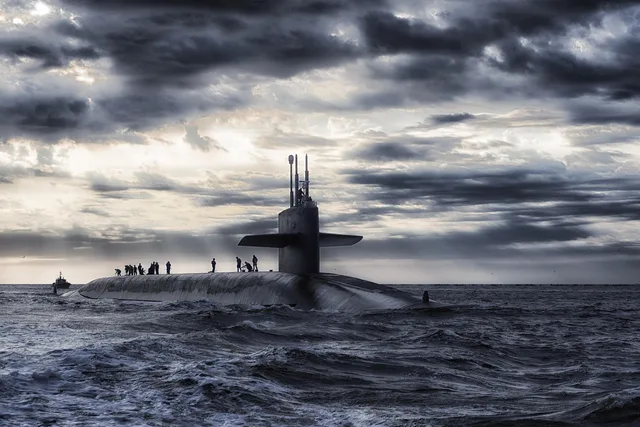
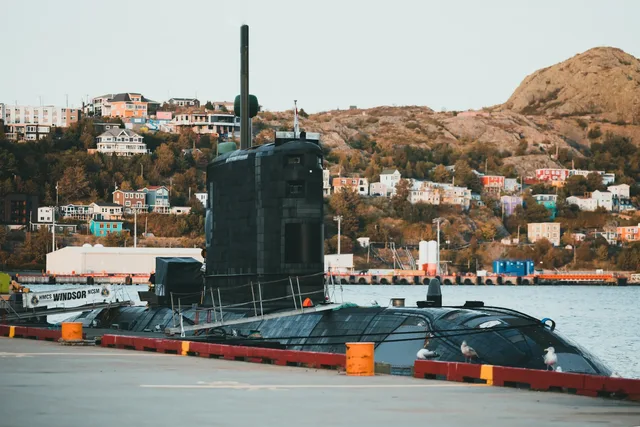
The submarines under consideration will feature 6 standard torpedo tubes (533 mm (21.0 in)). Ensuring these systems are shielded from cyber-interference is a primary concern for the procurement teams. The integrity of these mechanical and digital interfaces is vital for mission success.
The submarine procurement debate often centers on these exact hardware requirements. If a vendor's digital security is in question, the reliability of the automated systems governing these tubes becomes a focal point.
Analysts are examining how software-defined combat systems interact with physical weaponry.
Why is the Submarine contract renegotiation being discussed?
A negotiator adjusts their tie while preparing for a high-stakes meeting in a quiet boardroom. The Submarine contract renegotiation is a potential outcome if current security concerns are not addressed by the primary bidders.
This process would allow the government to demand higher cybersecurity standards as a condition of the contract.
The renegotiation would likely involve updated clauses regarding digital liability and real-time security monitoring. By revisiting the terms, Canada can protect its maritime interests against future breaches.
This ensures that the long-term maintenance and operational life of the fleet are not jeopardized by early-stage security lapses.
Revisiting Canadian naval plans involves a comprehensive look at both the hardware and the software that governs it. The focus has moved toward creating a robust framework for continuous security updates. This prevents the fleet from becoming obsolete or vulnerable as cyber threats evolve.
How does the impact of TKMS security breach influence decision-making?

A strategist watches a digital map of the Atlantic, noting the strategic importance of the Arctic and coastal waters. The impact of TKMS security breach is being weighed against the technical advantages offered by the Type 212CD design.
Decision-makers must balance the desire for advanced capabilities with the necessity of trusted systems.
According to a Norwegian Ministry of Defence official, a new base for the U212CD, including infrastructure, would be built at Haakonsvern, where Norway's current Ula-class submarines are already based. This information was provided to Janes on 7 June 2024.
Such infrastructure planning demonstrates the high level of commitment to this specific platform in other regions.
The Norwegian Ministry of Defence announced having completed the design review of the Type 212CD programme in August 2024. This completed review provides a benchmark for what a finalized design process should look like.
Canada is observing these international developments to gauge the readiness and stability of the technology.
What are the steps for evaluating a new naval contract?
A procurement officer marks a checklist with a heavy pen, moving through the rigorous stages of defense acquisition. The process of evaluating a new naval contract follows a strict sequence to ensure both value and security.
- Conduct a comprehensive cybersecurity audit of the vendor's entire digital supply chain. 2. Verify the physical and digital integrity of all critical combat systems, such as the 6 standard torpedo tubes. 3. Perform a comparative analysis of the vendor's historical security performance against international standards.

After completing these steps, a final check is performed by an independent security agency to validate the findings. I have observed that the final validation is often the most intensive part of the entire procurement cycle.
- Define the operational requirements.
- Conduct a technical feasibility assessment.
- Finalize the procurement terms.
Is there a limitation to this procurement process?
A technician tests a single sensor in a controlled laboratory environment, noting the strict parameters of the trial. A limitation of this evaluation process is that it is heavily dependent on the transparency of the foreign manufacturer's internal security protocols.
If a vendor restricts access to proprietary software code, the depth of the security audit may be constrained.
This part also covers Defense negotiation adjustments now.
What are the specific armaments of the proposed submarines?
The submarines will feature 6 standard torpedo tubes (533 mm (21.0 in)).
Has the design review for the Type 212CD been finished?
In August 2024, the Norwegian Ministry of Defence announced having completed the design review of the Type 212CD programme.
The ongoing discussion regarding the Canada submarine deal review highlights the intersection of naval capability and digital security.
As the government navigates the complexities of the submarine procurement debate, the focus remains on securing a fleet that is both technologically advanced and resilient to modern threats.
Comments 0