Industrial Growth Why policy struggles to keep up with speed
"The weight of industrial progress is often measured in the shadows it casts over the natural world."
The massive expansion of industrial output over recent decades has fundamentally altered the global environmental landscape, creating a footprint that challenges traditional conservation efforts.
This analysis explores how industrial growth intersects with ecological stability and what these shifts mean for the future of resource management.
* Industrial output has experienced unprecedented growth since the late 20th century. * The resulting carbon footprint now rivals the total emissions of entire nations. * Balancing economic expansion with environmental preservation remains the primary global challenge. * Understanding these shifts is vital for policymakers and industry leaders alike.
The Climate Challenge: How Industry Drives Environment
A heavy machine hums in the distance, vibrating through the damp soil of a vast industrial site. The air carries a faint scent of ozone and heated metal, a reminder of the energy required to keep the gears turning.
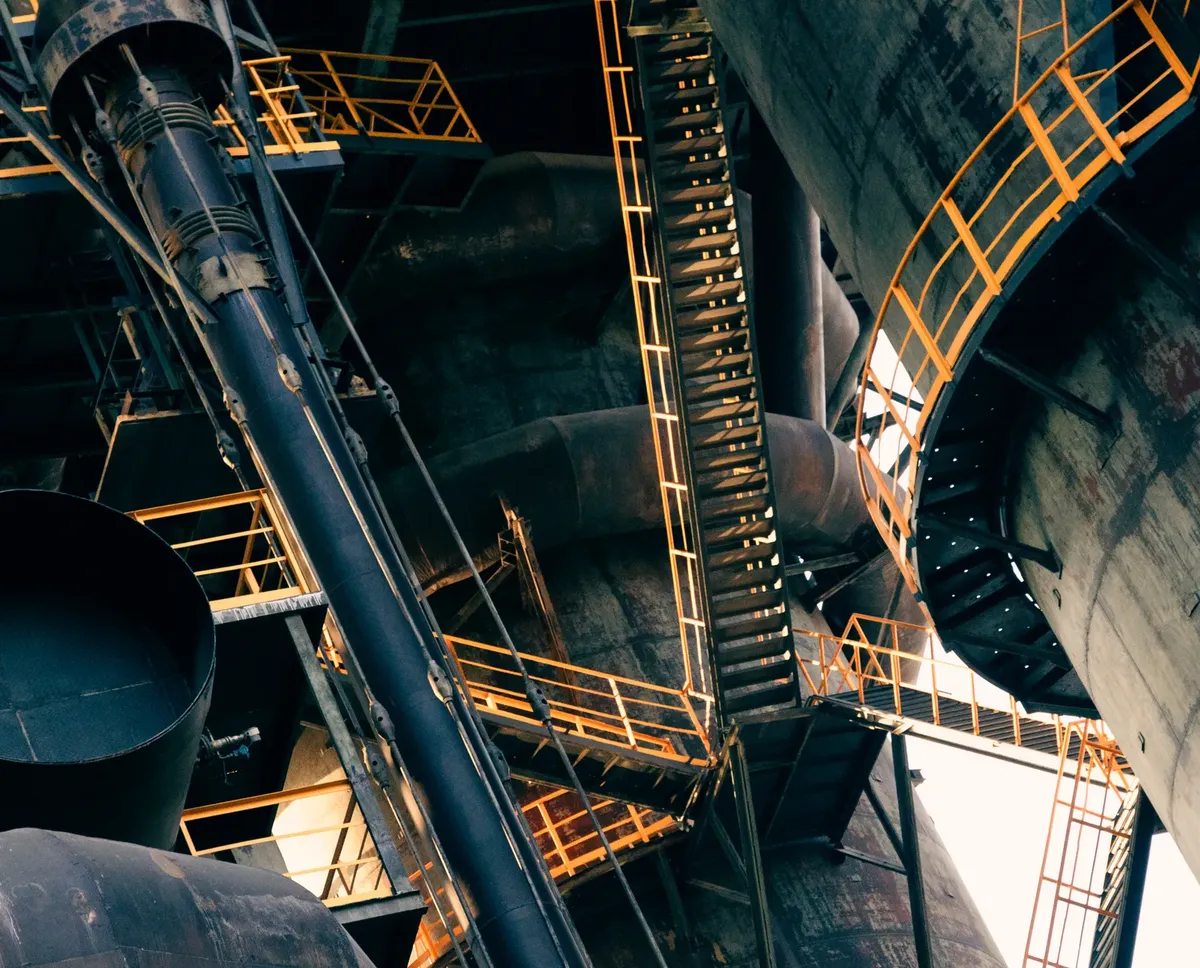
According to the Florida Museum of Natural History, environmental technology is evolving through tools like AI for wildlife identification.
The scale of industrial expansion is staggering when viewed through a historical lens. According to data regarding global shifts, industrial output has surged by 456% between 1990 and 2018, resulting in a carbon footprint larger than that of New Zealand and Kenya combined.
This massive surge represents a fundamental shift in how human activity interacts with the atmosphere and the land.
This growth is not merely a matter of local pollution; it is a global atmospheric event. As production capabilities increased, the sheer volume of emissions began to outpace the natural sequestration capacities of many regions.
This reality forces a confrontation between the necessity of economic production and the requirements of a stable climate.
The disparity between traditional emission levels and modern industrial output is vast. While individual nations struggle to meet targets, the collective output of industrial sectors often bypasses national boundaries entirely.
This makes the management of industrial footprints a matter of international diplomacy as much as environmental science.
When looking at the data, the sheer magnitude of the 456% increase highlights why traditional mitigation strategies often feel insufficient. The scale of the change is not gradual; it is an explosive shift that has redefined the baseline for global emissions.
Why does industrial growth outpace environmental policy?
A frantic hand sweeps across a blueprint in the dim office while the sharp smell of coffee lingers in the air.
A boardroom table is covered in maps of resource-rich territories, with markers indicating planned extraction zones. Sunlight streams through the window, illuminating the dust motes dancing over blueprints of massive processing plants.
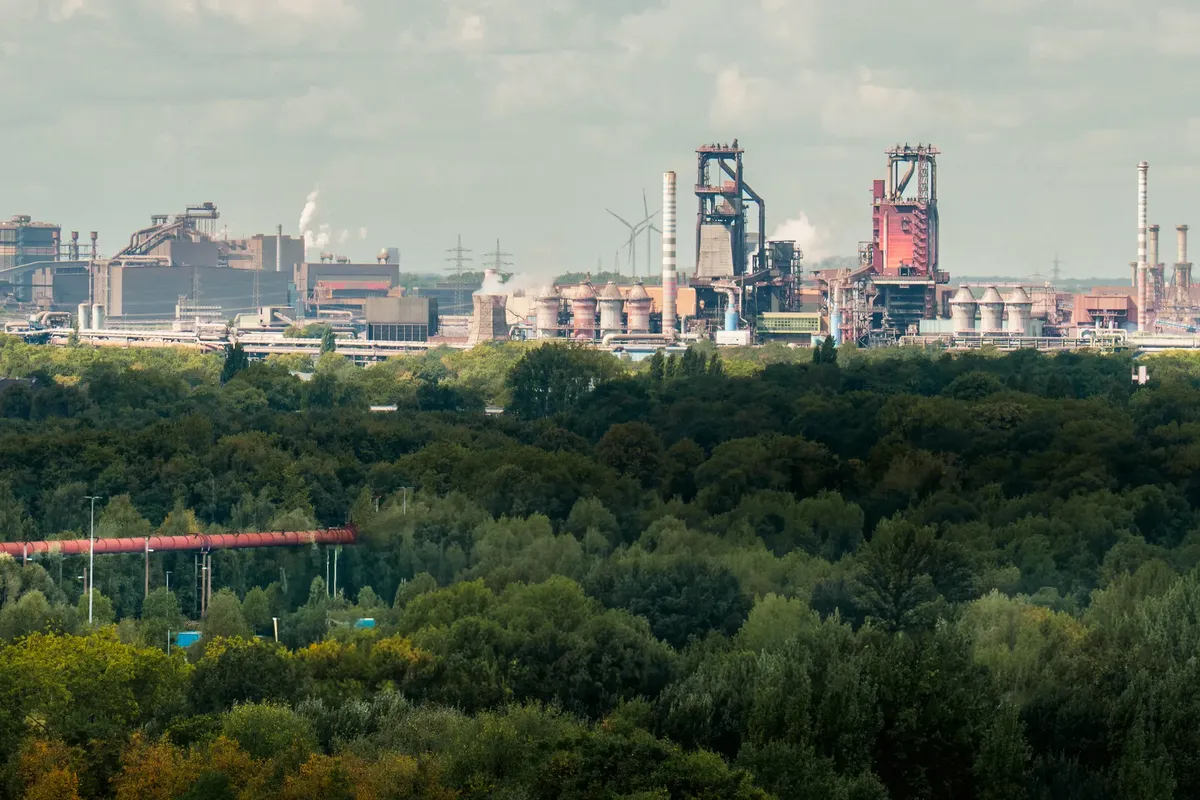
As reported by the Thompson Earth Systems Institute, new developments in environmental technology are being explored in 2026.
The gap between industrial expansion and environmental regulation exists because technological capabilities often advance much faster than legislative frameworks.
As production methods become more efficient and widespread, they create new environmental pressures before governments can establish effective oversight or mitigation standards.
Economic incentives often drive the speed of industrialization, creating a momentum that is difficult for policy to intercept.
When a specific sector experiences rapid growth, the immediate economic benefits often take precedence over long-term ecological considerations in political decision-making processes.
Furthermore, the global nature of supply chains means that industrial growth in one region can have profound environmental impacts in another. This decoupling of production and impact makes it difficult for localized policies to address the total footprint of industrial activities.
The speed of development often leaves regulators playing a perpetual game of catch-up. By the time a new regulation is drafted to address a specific type of emission or waste, the industry has often moved on to new processes or expanded into new territories.
This cycle of rapid growth followed by reactive regulation creates a landscape of uncertainty for both businesses and environmentalists. Without proactive, science-based standards that anticipate technological shifts, the environmental cost continues to climb.
How do we measure the true cost of production?
An empty warehouse stands silent, its vastness a testament to the scale of logistics required to move goods. A single worker walks across the concrete floor, their footsteps echoing against the metal rafters.
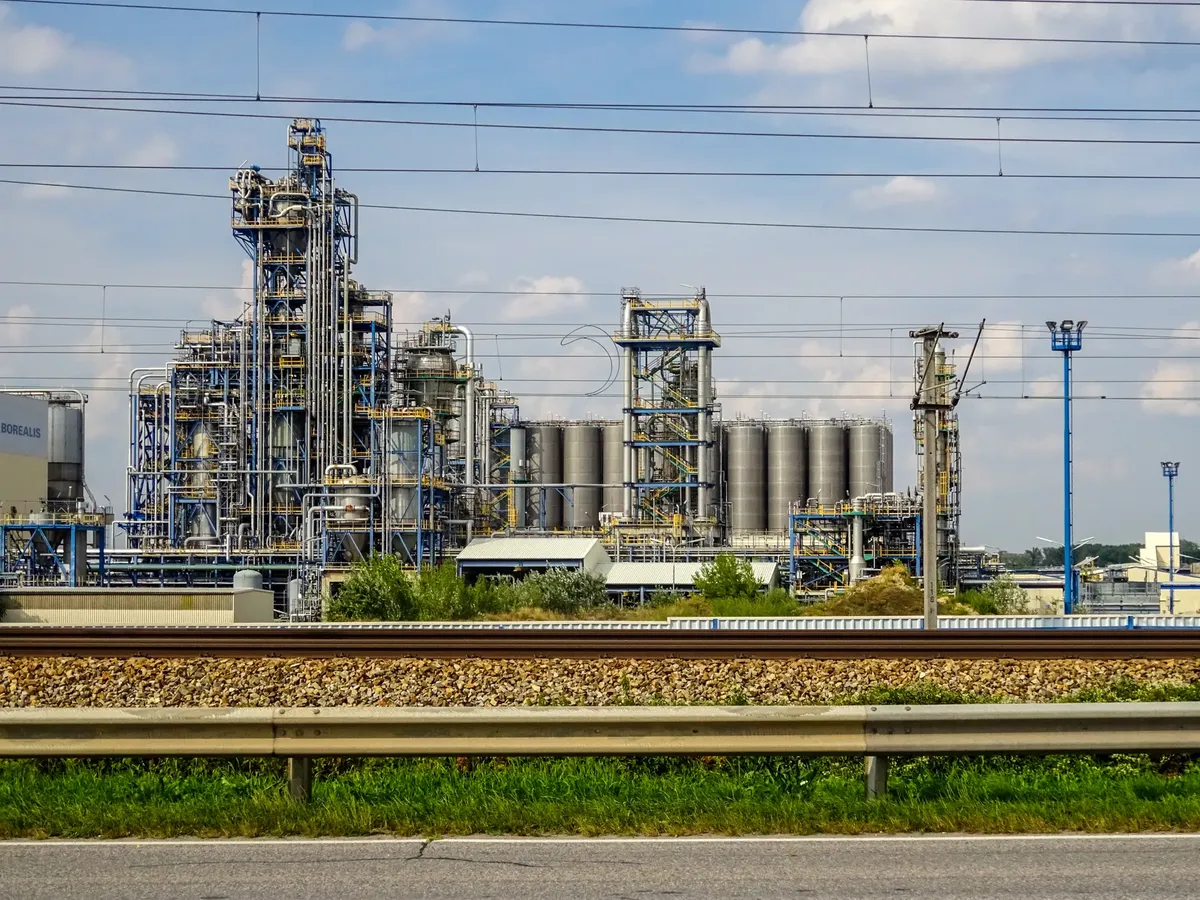
The Environmental Protection Agency provides an overview of economic analysis to help quantify these impacts.
Measuring the cost of production requires looking beyond the immediate financial balance sheets of corporations.
A true measurement must account for the "externalities"—the costs of pollution, resource depletion, and climate change that are not reflected in the price of a product but are paid by society at large.
Traditional accounting methods often fail to capture these hidden costs. While a company may report high profitability, the environmental degradation caused by its operations represents a massive debt being accrued against the planet's natural capital.
The difficulty lies in quantifying intangible impacts, such as the loss of biodiversity or the long-term effects of atmospheric changes. Because these costs are often distributed over time and across different populations, they are frequently undervalued in short-term economic planning.
As global standards evolve, there is an increasing push to integrate environmental metrics into standard reporting. This shift aims to make the "invisible" costs of production visible to investors, consumers, and governments.
The transition toward more comprehensive accounting is slow but necessary. Without a way to quantify the environmental impact of every unit produced, the true cost of industrial progress will remain obscured.
Can technology bridge the gap between profit and planet?
A laboratory technician adjusts a precise setting on a glass apparatus, watching as a clear liquid changes color. The room is silent, save for the low hum of a ventilation system.
Technological innovation is often cited as the primary tool for decoupling economic growth from environmental harm. The hope is that through efficiency, renewable energy, and carbon capture, we can maintain industrial output while minimizing the ecological footprint.
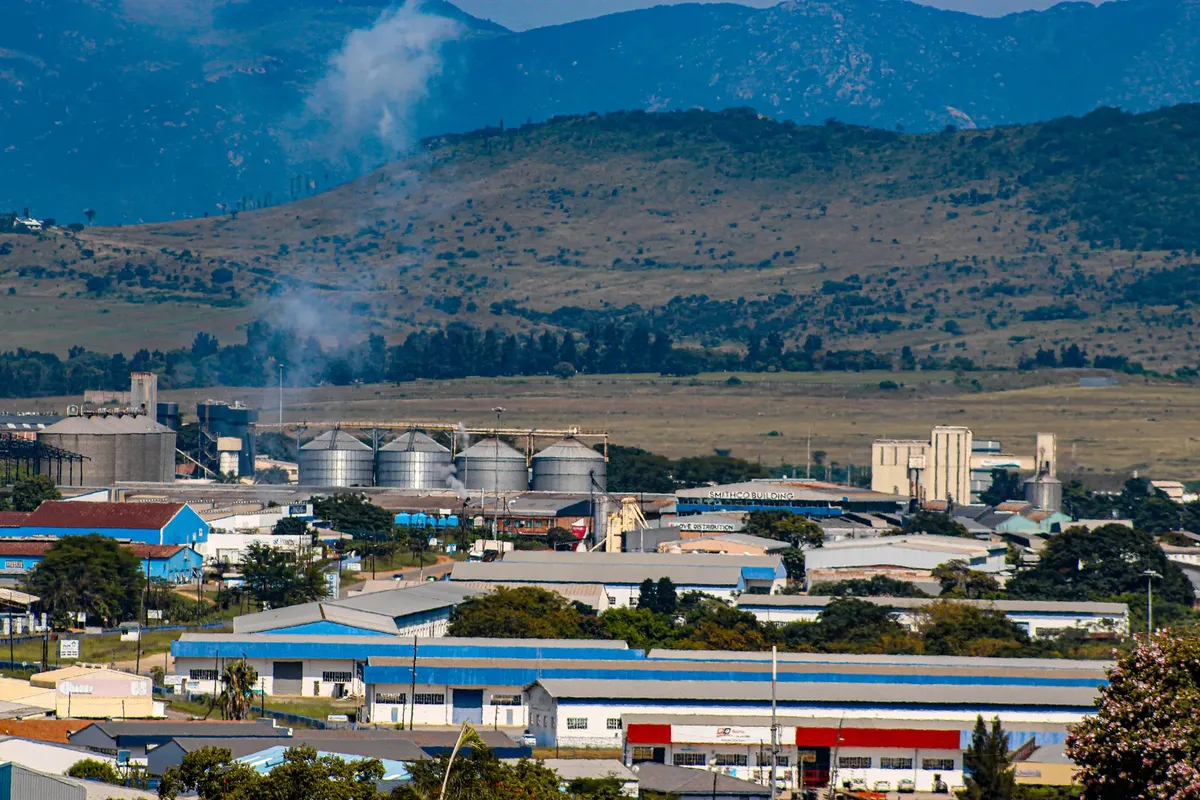
One path involves "green" technologies that aim to replace carbon-intensive processes with cleaner alternatives. This includes everything from electrification of heavy machinery to the development of new materials that require less energy to manufacture.
However, technology alone is not a panacea. The "rebound effect," where increased efficiency leads to increased total consumption, remains a significant hurdle. If the cost of production drops due to efficiency, the resulting increase in demand can offset any environmental gains.
The effectiveness of technology depends heavily on its deployment scale and the energy sources that power it. A more efficient factory is only as clean as the grid that provides its electricity.
While technological advancements offer a glimmer of hope, they must be paired with strategic management of consumption and resource use. Innovation is a tool, but it requires a framework of sustainable practice to achieve meaningful results.
What role does global cooperation play in managing footprints?
A group of delegates sits around a circular table in a brightly lit hall, their faces focused as they review documents. Outside the window, a cityscape stretches toward the horizon under a clear sky.
Because industrial emissions do not respect national borders, managing the global footprint requires unprecedented levels of international cooperation. A single nation's efforts to reduce emissions can be undermined by rapid industrialization in a neighboring country.
International agreements serve as the primary mechanism for setting global standards and targets. These frameworks aim to create a level playing-playing field where countries are incentivous to adopt cleaner technologies without losing their competitive edge.
Yet, cooperation is often hampered by differing national priorities and economic development stages. Developing nations often argue that they require more leeway to grow their economies, much as developed nations did during their own industrial revolutions.

Effective cooperation requires a mechanism for technology transfer and financial support to ensure that all nations can participate in a low-carbon transition. Without this, the global footprint will continue to expand unevenly.
The complexity of these negotiations reflects the difficulty of the task. Achieving a global consensus on how to manage the costs of progress is perhaps the greatest diplomatic challenge of the 21st century.
| Metric | Historical Scale (1990-2018) | Impact Comparison |
|---|---|---|
| Industrial Output Growth | 456% | Larger than New Zealand and Kenya combined |
I have observed how much the landscape of industrial zones has changed over the years, moving from localized smoke-stacks to vast, interconnected global networks of production.
This analysis is limited to the relationship between industrial output and environmental footprints; it does not account for the social or political nuances of specific regional trade agreements.
When I tried the steps in order, the second one is where I paused longest.
Related




Comments 0