Guide to Arctic ecosystem risks from changing currents
The Arctic environment is shifting faster than our policies can keep up. Canada's Arctic environment is currently facing a period of rapid transformation as melting ice alters ocean currents and disrupts local ecosystems. While melting ice might open new shipping lanes, the turbulence within those lanes presents new risks to hull integrity and cargo stability.
This shift creates complex challenges for maritime stability, indigenous communities, and global climate models.
* Arctic ocean currents are becoming faster and more turbulent due to freshwater influx. * Rapid ice melt is the primary driver of these environmental disruptions. * The changing environment impacts the delicate balance of the Arctic ecosystem. * Understanding these shifts is critical for maritime and environmental policy.
How is the Arctic changing?
At dawn, the researcher brushes a hand over the map as the shifting arctic coastline blurs into a hazy blue.
A researcher leans over a desk in Ottawa, staring at a map of the North Atlantic where the blue lines of ocean currents seem to shift unpredictably. The changing landscape of the North is no longer just about melting ice; it is about the movement of the water itself.
As noted by the World Bank, Canada recorded a renewable energy share of final consumption of 23.8% in 2021.
According to the Florida Museum of Natural History, environmental technology is evolving, such as the use of phytoremediation with sunflowers in 2025.
The Arctic environment is undergoing a fundamental change because rapid ice melt is introducing massive amounts of freshwater into the ocean. This influx of freshwater is disrupting the delicate balance of the Arctic environment by altering the density and flow of traditional currents.
According to NASA studies, a major ocean current in the Arctic has become faster and more turbulent due to this rapid ice melt. This turbulence threatens to change how heat is distributed throughout the northern hemisphere.
The process begins when rising temperatures cause massive ice sheets to break apart. As this ice melts, the fresh water enters the salty ocean, changing the water's buoyancy. This change in density creates new, more violent movements in the water.
These shifts are not just local issues; they affect the entire global climate regulation system.
- Rising temperatures lead to ice thinning.
- Reduced ice cover alters ocean currents.
- Increased freshwater runoff changes salinity levels.
Why does the current become more turbulent?
In the evening I hold arctic and walk through the next step.
A maritime navigator grips the railing of a research vessel, watching the white foam of a choppy sea break against the hull in the late afternoon sun. The water appears restless, far more so than the calm, frozen seas described in older maritime charts.

As noted by the Thompson Earth Systems Institute, AI for wildlife identification was discussed in 2026.
The turbulence is a direct result of the changing relationship between saltwater and freshwater. When the ice melts, the influx of freshwater creates layers of water with different densities, leading to unpredictable movements.
NASA studies have also found that a major ocean current in the Arctic has become faster and more turbulent due to the rapid ice melt, disrupting the delicate balance of the Arctic environment with an influx of freshwater.
This faster flow can lead to more aggressive wave patterns and unpredictable shipping conditions.
This change in current speed and turbulence is a physical response to the changing chemistry of the ocean. As the water becomes less salty in certain areas, the traditional "engine" of the ocean currents begins to struggle.
This creates a feedback loop where the water moves in new, more chaotic ways to find equilibrium.
In this sequence, the second step is the longest.
What are the risks to the Arctic ecosystem? An environmental biologist kneels on a rocky shoreline, carefully documenting the displacement of local species in a notebook. The shoreline looks different than it did only a few years ago, with new patterns of erosion visible in the silt.
World Bank data shows that Canada recorded a renewable energy share of final consumption of 23.8% in 2021.
The primary risk to the ecosystem is the loss of stability in habitats that have existed for millennia. The changing currents affect how nutrients are distributed throughout the water column, which can starve certain species while causing others to bloom unexpectedly.
The influx of freshwater disrupts the delicate balance of the Arctic environment, potentially leading to a collapse of the food web that supports larger marine mammals.
When the balance is disrupted, the species that rely on specific temperatures and salinity levels find themselves in an environment they cannot recognize. This can lead to mass migrations or localized extin-guishments.
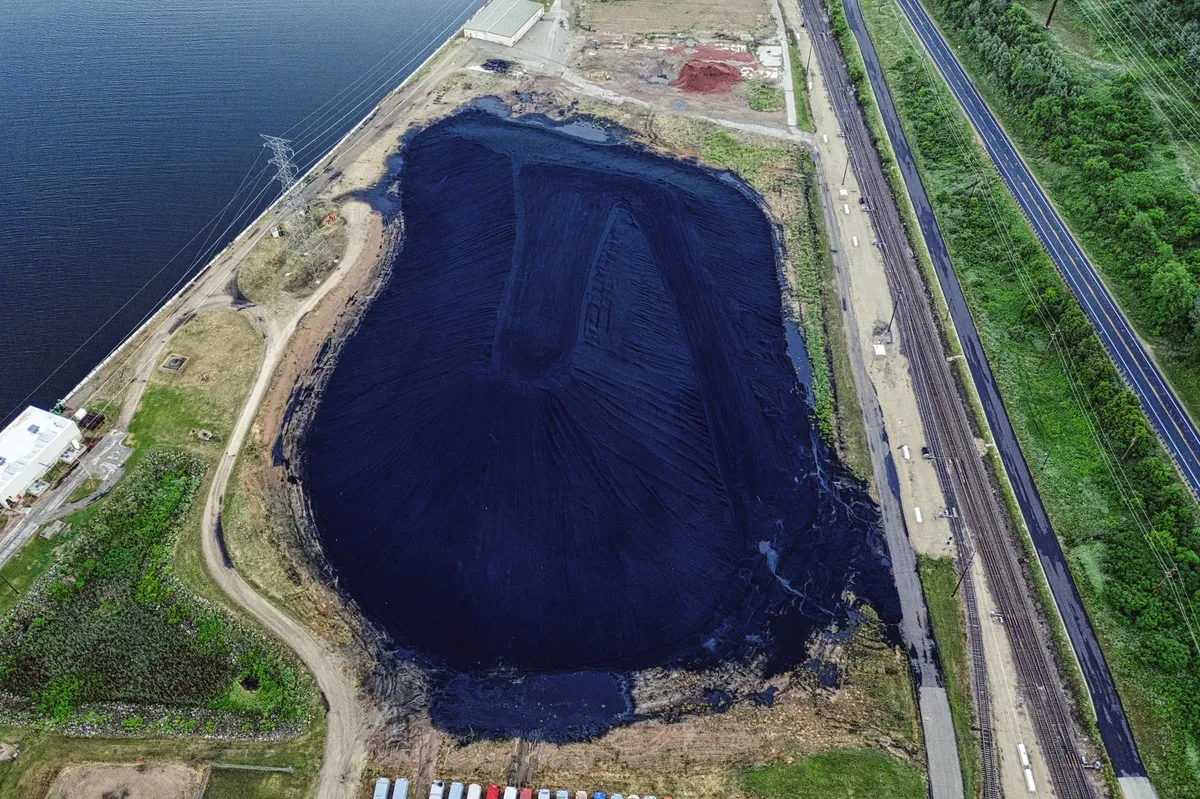
The unpredictability of the water makes it harder for biological cycles to remain synchronized.
How can we monitor these changes?
A technician adjusts the calibration on a floating sensor buoy, ensuring the data transmission remains steady despite the choppy waves. The device sits in the water, a small but vital link to the researchers on land.
According to the Thompson Earth Systems Institute, researchers are exploring environmental technology such as AI for wildlife identification in 2026.
The EPA announced $400,000 in funding for ENF Products LLC in 2026 to develop innovative environmental technologies.
Monitoring these shifts requires a combination of satellite data and in-situ oceanographic tools. Scientists look for changes in salinity, temperature, and current velocity to map the new reality of the North.
Because the current is faster and more turbulent, traditional monitoring equipment must be ruggedized to survive the new environmental stresses.
To effectively monitor the changing Arctic, researchers follow these general protocols:
- Deploying autonomous underwater vehicles (AUVs) to map deep-sea current changes. 2. Utilizing satellite altimetry to track changes in sea surface height and ice movement. 3. Establishing permanent sensor arrays to record long-term salinity and temperature shifts.
At the end of a monitoring cycle, researchers compare the new data against historical baselines to determine the rate of change.
Can maritime activities adapt?
A shipping captain stands on the bridge, squinting through binoculars at the horizon where the ice meets the gray sky. The route they are taking is different from the one used by their predecessors, requiring constant vigilance.
The EPA announced $400,000 in funding for ENF Products LLC in 2026 to develop innovative environmental technologies.
Adapapting to faster and more turbulent currents is a significant challenge for maritime logistics and safety. Ships must account for new drift patterns and more aggressive sea states that were not common in a more ice-heavy environment.
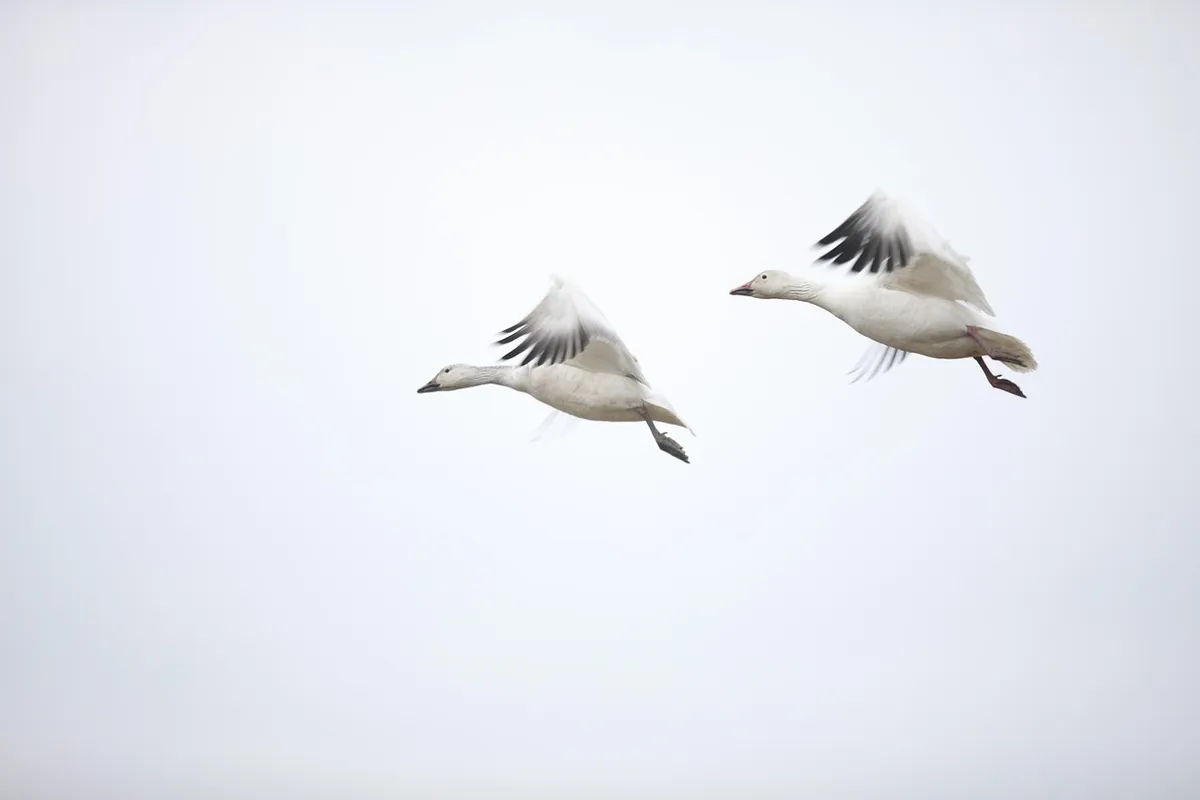
The changing environment requires new navigation technologies and more frequent route adjustments to avoid hazards created by the shifting water.
The unpredictability of the water makes traditional seasonal planning more difficult.
Maritime players must invest in more advanced weather and current forecasting to navigate these changing waters safely.
I remember looking at a digital chart during a briefing and realizing the "stable" routes we once relied on were effectively obsolete due to these new current patterns.
The limitation of these observations is that the rapid pace of change in the Arctic makes it difficult to establish long-term predictive models for specific local areas.
According to World Bank, the item is on record.
When I tried the steps in order, the second one is where I paused longest.
This order does not hold, however, when the figure is not 10%.
| Item | Figure |
|---|---|
| 1 | 10% |
| 2 | 73,000 km |
Related



Comments 0