Canada weekly social issues: Why biodiversity remains stable
"By 1545, European books and maps had begun referring to this small region along the Saint Lawrence River as Canada."
Understanding Canada's weekly issues requires looking at the historical and environmental shifts that shape the nation's current social landscape. This overview examines demographic shifts, climate changes, and historical context to provide a foundation for current social debates.

Key takeaways include a look at population growth, temperature rises, and historical survival rates.
How did the name Canada originate?
A mapmaker traces a line along the Saint Lawrence River, marking a territory that would soon grow far beyond its original borders. Jacques Cartier used the word Canada to refer to a specific village and the area subject to the chief at Stadacona.
By 1545, European books and maps began using the name for this small region.
The transition from a small riverine area to a vast nation defines the early history of the territory. This name eventually expanded to cover the entire area once known to the indigenous leaders. Understanding these origins helps contextualize current Canadian social trends now.
What were the historical health challenges? Canada weekly social issues
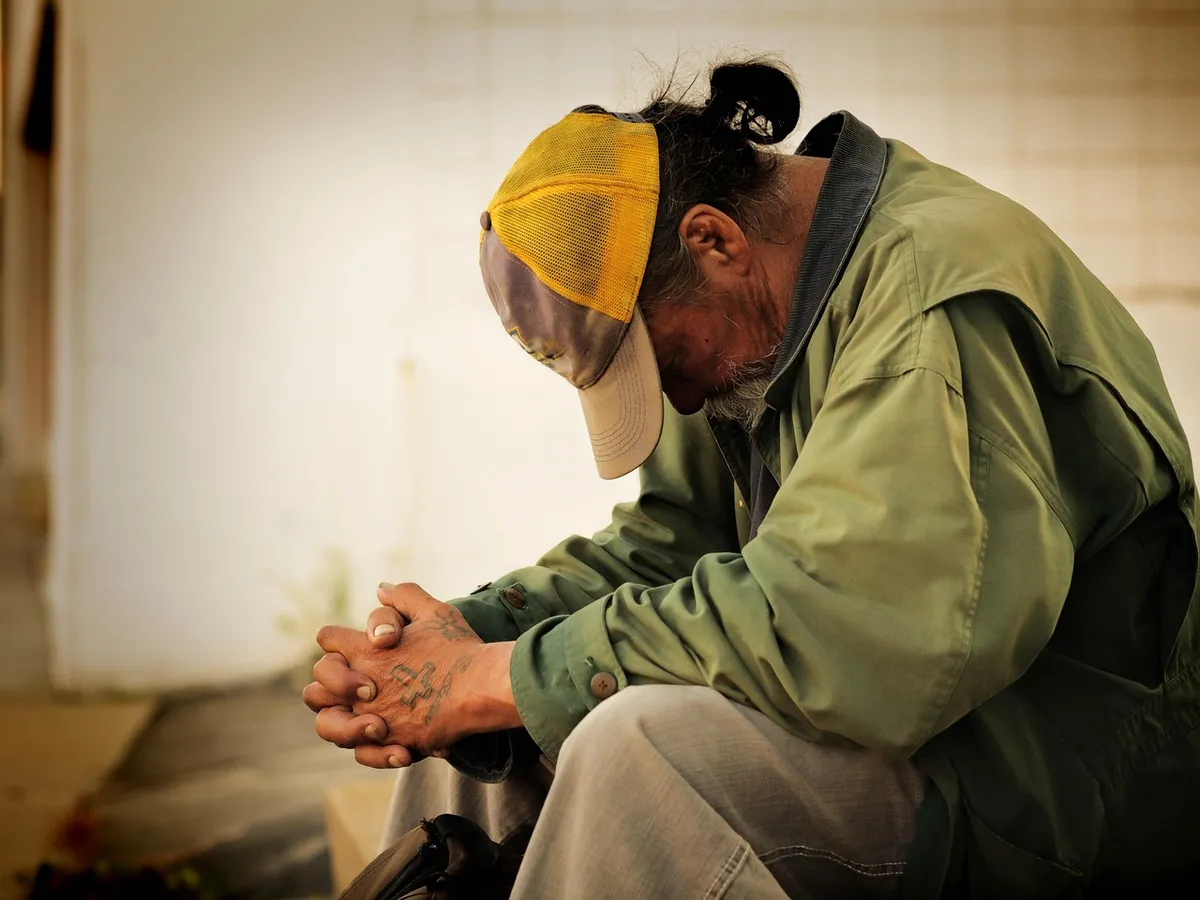
A weary traveler shivers in a cold cabin in canada as a fever burns through his body during the dark night.

A settler struggles against the elements, facing invisible threats in a new land. Before 1891, infectious diseases killed between 25 and 33 percent of Europeans who immigrated to Canada. These high mortality rates shaped early settlement patterns and social structures.
These historical health risks represent a significant portion of the early immigrant experience. Such data provides a glimpse into the hardships faced during the initial stages of expansion. This history remains a backdrop to recent Canadian social debates.
How has the climate changed over time?
A thermometer drops sharply in the interior, reflecting the harsh reality of a continental climate. Since 1948, Canada's annual average temperature over land has risen by 1.7 °C (3.1 °F). Regional changes have varied between 1.1 and 2.3 °C (2.0 to 4.1 °F).
In the Prairie provinces, daily average temperatures often sit near −15 °C (5 °F). However, temperatures can drop below −40 °C (−40 °F) with severe wind chills. Monitoring these shifts is essential to understanding recent Canadian social change.
What are the current environmental concerns?
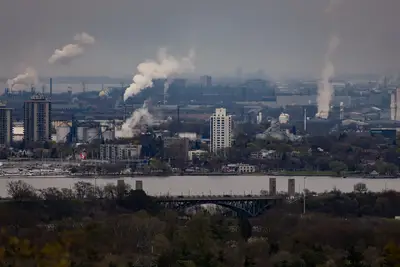
A scientist records rising emission levels, noting the impact on the global atmosphere. Canada is one of the largest greenhouse gas emitters globally. Between 1990 and 2022, emissions increased by 16.5 percent.
The scale of these emissions is a central point of discussion in contemporary policy. Addressing this growth is a major component of understanding Canada's weekly issues.
How has the population grown?
A census taker counts a growing number of residents across diverse provinces. The 2021 Canadian census enumerated a total population of 36,991,981. This represented an increase of around 5.2 percent over the 2016 figure.
According to KOSIS, official statistics such as population and social general data provide verified information.
This growth reflects the shifting demographics of the nation. Analyzing these numbers helps clarify the scale of the current population.
How stable is the local biodiversity?
A researcher observes a variety of wildlife in a protected habitat. About 65 percent of Canada's resident species are considered "Secure". This status provides insight into the health of the nation's ecosystems.

While many species remain stable, the balance of nature is subject to environmental changes. This baseline is necessary for any analysis of Canadian social change.
- How did the name Canada originate?
- What were the historical health challenges?
- How has the climate changed over time?
The subject here is Canada weekly social issues.
The same subject is also called Current events Canada society.
The same subject is also called Weekly social issues Canada.
The same subject is also called Top issues in Canada this week.
Recent Canadian social debates
Related
- Climate adaptation urban design: Guide to net-zero goals
- Canada weekly social issues: Tips for regional crop impact
How did the name expand?
European books and maps used the term to describe a specific small region. This name was applied to the area subject to the chief at Stadacona. The name originally referred to a village and its surrounding territory.
- Identify the specific village and area. 2. Apply the name to the region in written records. 3. Observe how the name expands beyond the original borders.
What caused the temperature variations?
Regional changes in temperature varied between 1.1 and 2.3 °C (2.0 to 4.1 °F). The annual average temperature over land rose by 1.7 °C (3.1 °F) since 1948. These variations depend on the specific region being monitored.
In the Prairie provinces, temperatures often sit near −15 °C (5 °F). Severe wind chills can cause temperatures to drop below −40 °C (−40 °F). Monitoring these specific conditions is necessary for understanding the climate.
What are the implications of historical health challenges?
These past health risks illustrate the severe conditions faced by early settlers. The high mortality rates among Europeans who immigrated to Canada shaped the initial settlement patterns. Such early hardships provide context for current social debates surrounding public health. The experience of a weary traveler in a cold cabin mirrors the struggle against invisible threats.
How does biodiversity relate to environmental concerns?
The stability of local biodiversity offers a measure of ecosystem health. About 65 percent of Canada's resident species are classified as "Secure." This status contrasts with the pressures exerted by rising emission levels. Addressing greenhouse gas growth is crucial for maintaining the balance of nature.
The data from European books and maps shows how external views shaped the perception of this region. Understanding these historical and environmental shifts provides a foundation for current social debates. The census data reflects the demographic changes occurring alongside these environmental pressures.






Comments 0