Canada climate policy changes: Best guide for energy mix
"The goal is to reach net-zero by 2050, but the path involves balancing industrial growth with strict environmental commitments."
Canada's current environmental strategy focuses on aggressive decarbonization to meet international climate agreements. This analysis examines the specific emission reduction goals, the shifting landscape of energy production, and the legislative framework driving these changes.
Key takeaways: 1. The primary objective is reaching net-zero emissions by 2050. * Intermediate targets include significant reductions by 2030 to meet Paris Agreement requirements. * Sector-specific shifts in electricity and housing have influenced recent emission trends.
How are Canada emission reduction goals being defined?
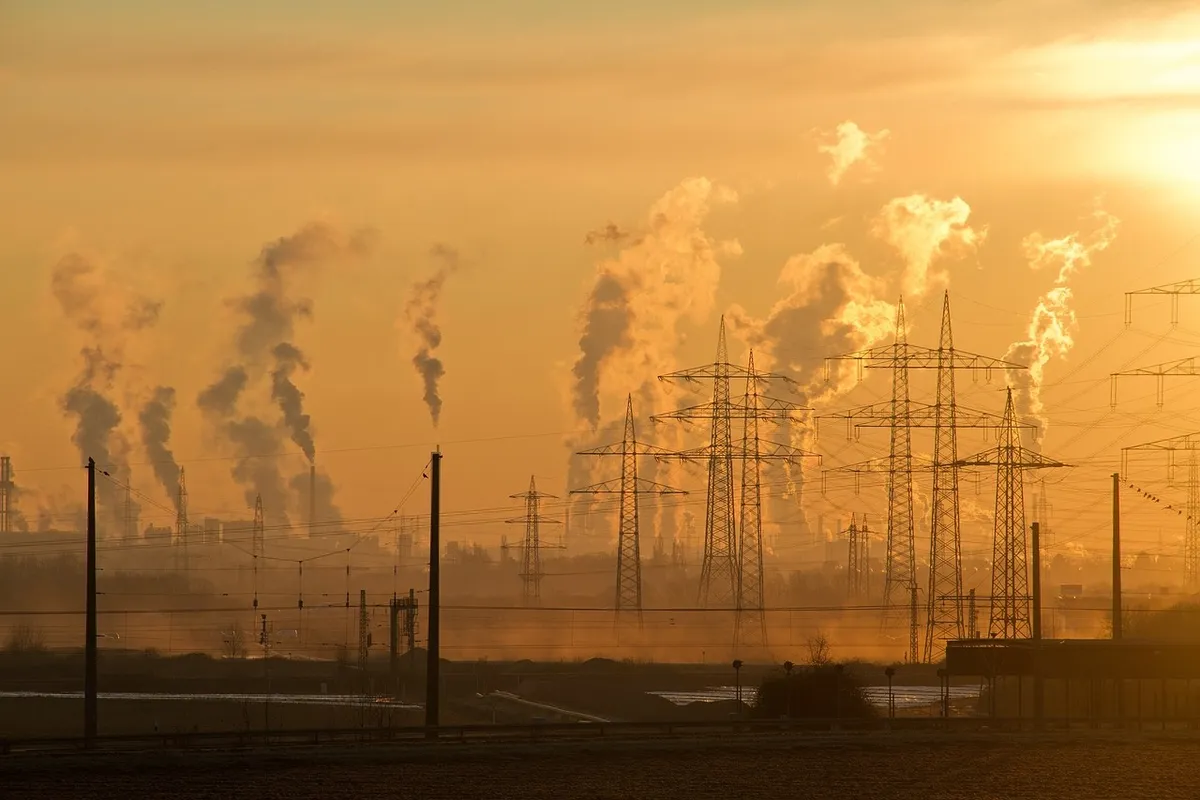
In the quiet office at dusk, a hand trembles while tracing the ambitious new targets for Canada on a printed map.
A policymaker sits at a mahogany desk, reviewing a draft of the Canadian Net-Zero Emissions Accountability Act. The document outlines a clear trajectory for the nation's future.
The government has established specific benchmarks to guide its environmental transition. This includes introducing new commitments to reducing greenhouse gas emissions by 30% before 2030, and to achieve net-zero emissions by 2050.
These targets serve as the foundation for all subsequent legislative actions and industrial regulations.
The policy landscape involves adjusting targets to align with evolving global expectations. In July 2021, Canada enhanced the Paris Agreement plans with a new goal of reducing emissions by 40–45% below 2005 levels by 2030, enacting the Canadian Net-Zero Emissions Accountability Act.
This provides a legal framework for accountability.
What is the current state of Canadian green policy shift? Canada climate policy changes
An engineer inspects a wind turbine blade against a backdrop of vast, open plains. The transition from fossil fuels to renewables is visible in the changing energy mix.
Canada's energy profile shows a significant reliance on cleaner sources, though fossil fuel extraction remains a major factor. According to World Bank data, Canada recorded renewable energy share of final consumption of 23.8% in 2021.
This renewable portion is a vital component of the broader energy strategy.
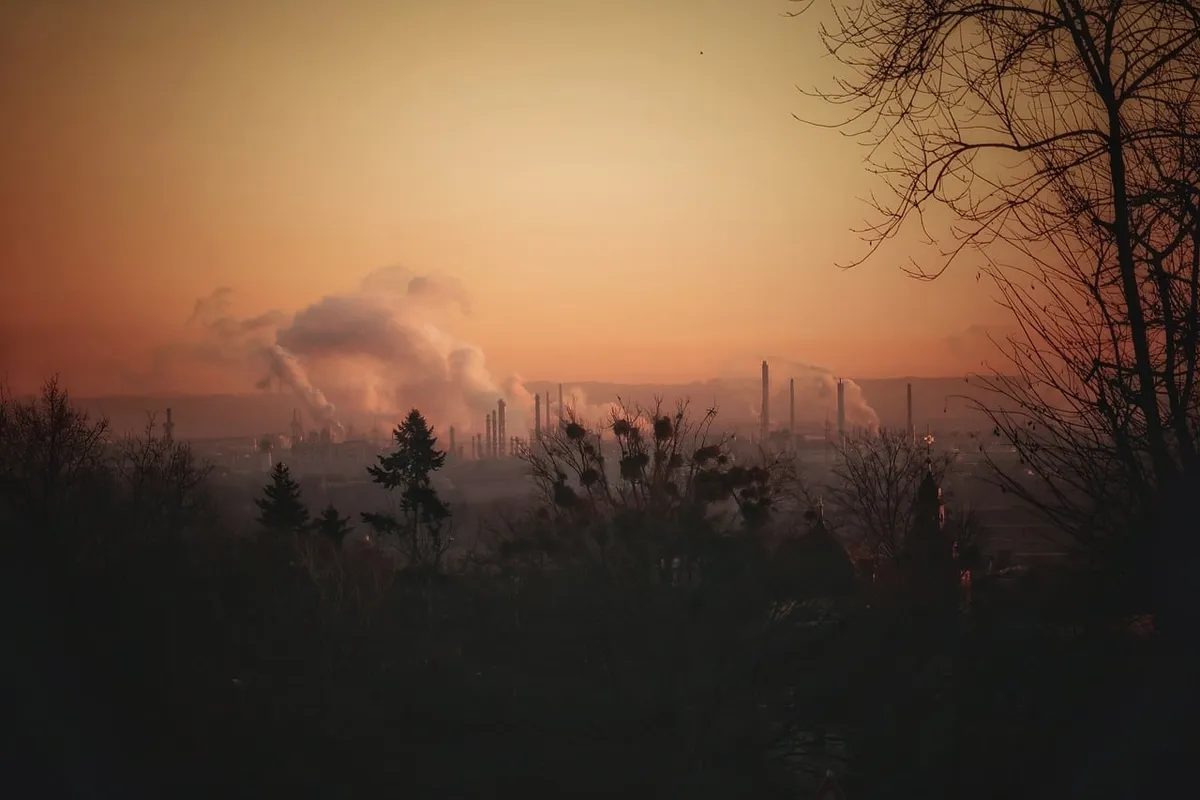
As of 2017, 81% of Canada's electricity is produced by non-emitting energy sources, such as hydro, nuclear, solar or wind power. This high percentage of non-emitting production provides a baseline for further decarbonization.
| Energy Source Type | Percentage of 2017 Electricity Production |
|---|---|
| Non-emitting sources | 81% |
I looked at the historical data comparing these energy shifts, noting how the baseline was established.
What does Canada carbon target analysis reveal about sector emissions?
Late at night, a technician stares at the glowing screen, feeling a chill as the data reveals the shifting emissions in canada.
A technician monitors a digital dashboard displaying real-time data from a manufacturing plant. The numbers fluctuate, reflecting the complexity of managing industrial outputs.
According to the Canadian Climate Institute, there was a net drop of about 1% in emissions during 2023, largely due to the electricity and housing sectors.
Understanding where emissions originate is essential for effective regulation. In 2022 transport, oil and gas extraction, and fugitive emissions together emitted 82% of the country's total emissions. This concentration highlights the primary areas where mitigation efforts must be focused.
The impact of specific industries on the total carbon footprint is significant. From 1990 to 2022, GHG emissions from conventional oil production increased by 24%, those from multi-stage fracturing techniques increased by 56%, and emissions from oil sands production increased by 467%.
These figures illustrate the scale of the challenge in managing industrial emissions.
How is the future of Canadian environmental law impacting the economy?
A lawyer reviews a thick binder of environmental regulations in a quiet office. The legal landscape is shifting as new laws impose stricter standards on businesses.
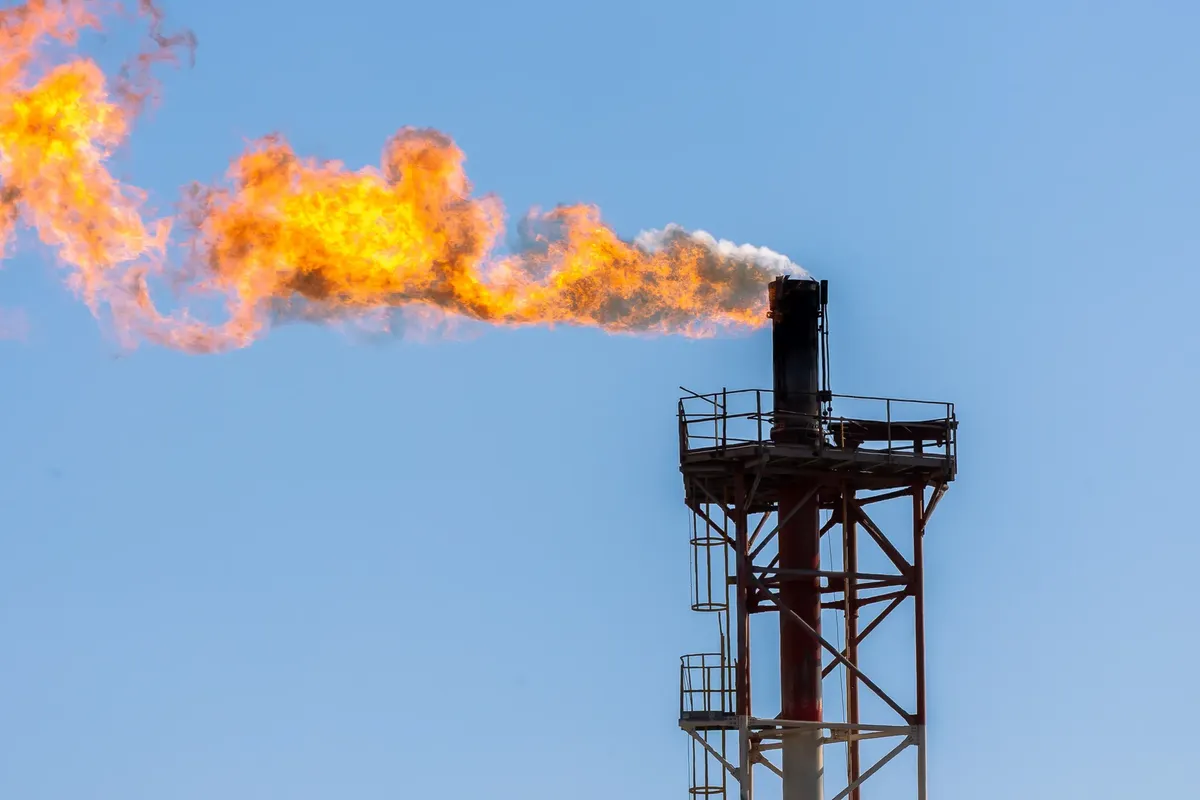
Legislative changes aim to integrate climate goals into the national economy. The 2021 enhancement of the Paris Agreement plans provided a more ambitious target of reducing emissions by 40–45% below 2005 levels by 2030.
This move sets the stage for more rigorous enforcement and economic restructuring.
The economic implications of these policies are often tied to political stability. This had little effect on Trudeau's approval rating, however, which had plummeted from 65% in 2016 to 22% in December 2024.
This suggests that while policy shifts are significant, they do not always correlate directly with public approval.
Analyzing Canada's climate targets through historical data
A researcher compares two different datasets on a large monitor. The historical trends provide context for current emission levels and future projections.
Looking at historical data helps put current emission levels into a broader context of global and domestic changes. This represents a decrease from 1.8% of global emissions (730 Mt CO2eq) in 2005 to 1.5% in 2020, but still an increase from 602 Mt CO2eq in 1990.
The movement of total emissions over time shows both progress and new challenges. In 2022, Canada’s GHG emissions were 708 Mteq, still below pre-pandemic (2019) emissions, but an increase of 9.3 Mt (1.3%) compared to 2021.
These fluctuations demonstrate the difficulty of maintaining a downward trend.
How Canada cuts greenhouse gases through specific actions
A worker adjusts a heating system in a modern residential building. Small-scale changes in housing and electricity play a role in the larger national picture. According to the Environmental Protection Agency, there are various sources of greenhouse gas emissions in the U.S.
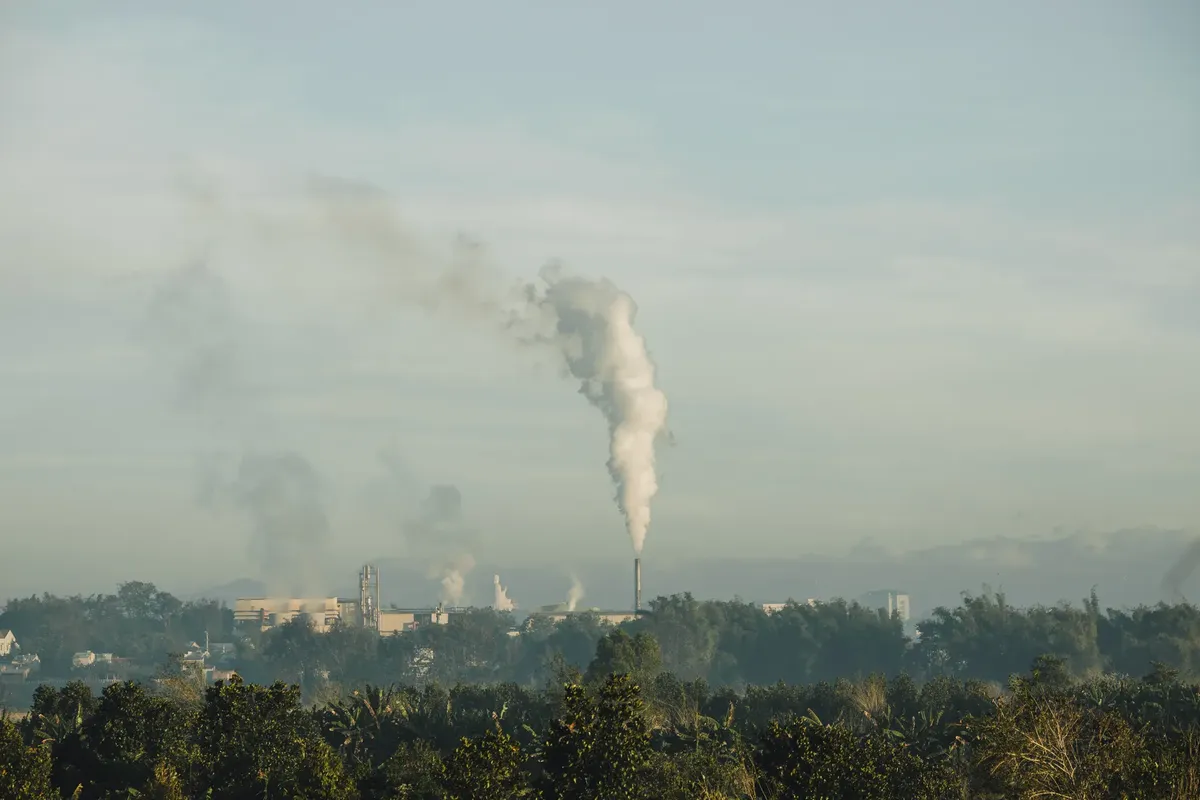
Effective mitigation requires a multi-pronged approach targeting various sectors. The Canadian Climate Institute reported a net drop of about 1% in emissions during 2023, largely due to the electricity and housing sectors. This shows that sector-specific changes can lead to measurable results.
- Implement rigorous emission standards for the industrial and extraction sectors. 2. Expand the use of non-emitting electricity sources like hydro and wind. 3. Enhance energy efficiency in the housing and transport sectors.
A final check of the data ensures that all current progress is measured against the 2030 and 2050 benchmarks.
- How are Canada emission reduction goals being defined?
- What is the current state of Canadian green policy shift?
- What does Canada carbon target analysis reveal about sector emissions?
The subject here is Canada climate policy changes.
The same subject is also called Environmental policy Canada trends.
Related








Comments 0