Tariff war strategy: Why Canada uses international tactics
"The tariffs violated the U.S.'s commitments under the 1994 General Agreement on Tariffs and Trade."
Canada's economic leadership is currently navigating a high-stakes trade conflict with the United States involving a significant Canada tariff war strategy. The government is utilizing international legal frameworks and strategic retaliation to protect its domestic economy.
Key takeaways include the pursuit of WTO dispute resolution, the implementation of retaliatory tariffs on American goods, and the management of critical export sectors like automotive and energy.
How is Canada managing its tariff war strategy?
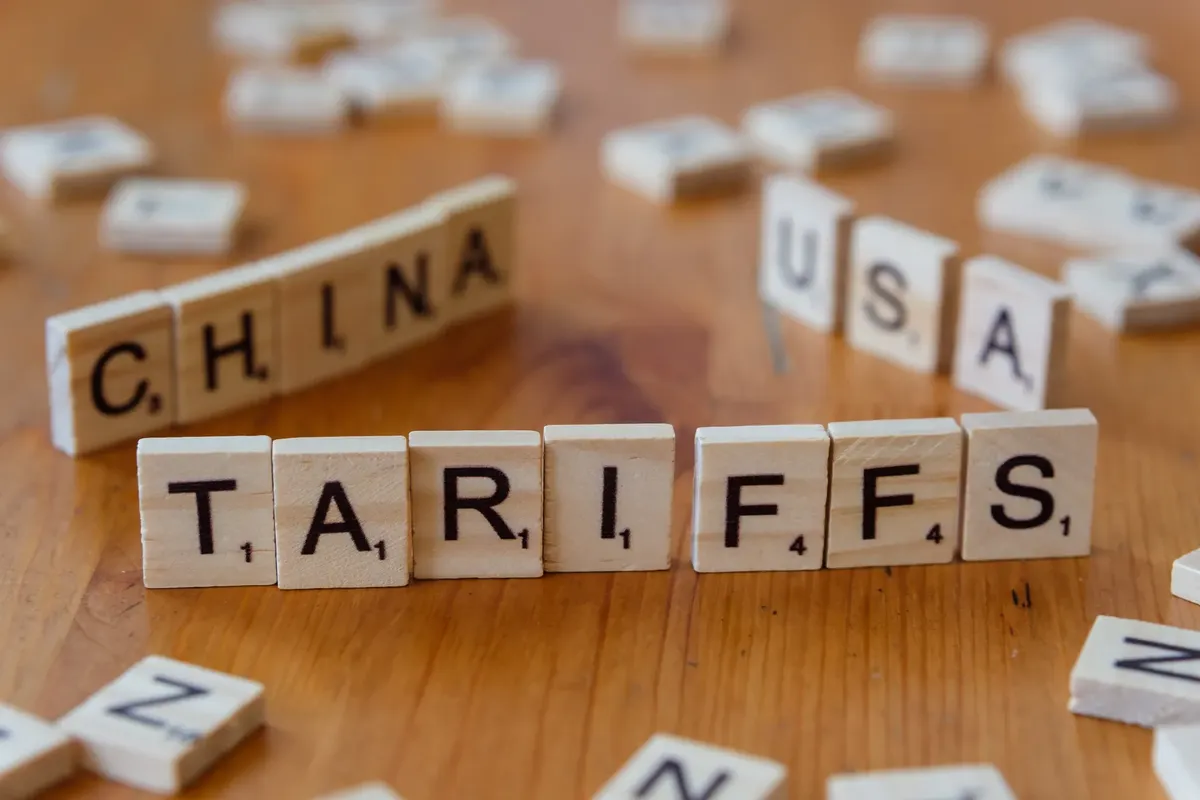
The Canadian government is addressing the trade conflict through a combination of legal challenges and targeted economic measures.
On March 13, 2025, the WTO said that Canada had formally requested to begin dispute resolution proceedings with the United States, saying that the tariffs violated the U.S.'s commitments under the 1994 General Agreement on Tariffs and Trade. This move seeks to hold the U.S.
accountable to established international trade laws.
The government also prepared a significant retaliatory framework to balance the economic pressure.
In a legal response to tariffs, Canadian Prime Minister Justin Trudeau announced that Canada would retaliate with 25 percent tariffs on CA$30 billion (US$20.6 billion) of American goods, an amount set to expand to CA$155 billion (US$106 billion) after three weeks.
This strategy aims to exert pressure back on American producers while defending Canadian interests.
How will US tariffs affect Canada? The economic interdependence between the two nations complicates any US tariff response Canada might face. Because more than 70 percent of Canadian exports go to the United States, any shift in trade policy has immediate domestic consequences.
This high level of exposure necessitates a careful balance between aggressive defense and maintaining essential supply chains.

The scale of the trade relationship is massive. Trade of Canada-U.S. goods comprises about one third of Canada's economy, and about 3 percent of the United States's economy. Because of this, any sudden changes in tariff structures can ripple through both national economies.
According to the World Bank, Canada recorded GDP growth of 1.7 percent in 2025.
What tactics can Canada use in a trade war? Effective Canada trade war tactics involve protecting essential industries like energy while managing the risks of cross-border supply chains.
A recent order called for 25 percent tariffs on all imports from Mexico and all imports from Canada except for oil and energy, which would be taxed at 10 percent. This distinction highlights the strategic importance of the energy sector to both nations.
The automotive sector is also a major point of contention. Cars, trucks, other vehicles, and auto parts constitute 27 percent of Canadian exports to the United States. Protecting these high-value sectors is a central part of the government's economic defense plan.
| Export Category | Percentage of Canadian Exports to U.S. |
|---|---|
| Vehicles and Auto Parts | 27% |
| Total Exports to U.S. | Over 70% |
According to the International Monetary Fund, Canada recorded real GDP growth of 1.1 percent in 2026.
How is the government pursuing an economic defense?
The government is pursuing an economic countermeasures plan by leveraging international trade agreements and monitoring economic growth. Canada's economic stability remains a priority despite the volatility of its tariff war strategy.

According to World Bank data, Canada recorded GDP growth of 1.7% in 2025.
Maintaining growth while navigating trade wars requires precise policy adjustments. According to the International Monetary Fund (IMF), Canada recorded real GDP growth of 1.1% in 2026. These figures reflect the economic environment in which trade negotiations are occurring.
What are the international negotiation tactics being used?
International negotiation tactics center on utilizing the rules-based order to prevent unilateral trade shifts. By engaging the WTO, Canada attempts to validate its position through multilateral oversight.
This process is slow but provides a legal basis for defending against tariff-driven disruptions.
The government must also consider the specific vulnerabilities of its trade partners. For example, while the U.S. relies on various imports, the energy sector remains a critical link. Roughly 60 percent of oil imported by the U.S.
comes from Canada, creating a significant leverage point in negotiations.
What is the purpose of the Canadian economic defense plan?
The purpose of the Canadian economic defense plan is to mitigate the impact of sudden tariff increases on the domestic workforce and industries. The government must manage the transition from initial retaliatory measures to long-term trade stability.
- 2. Implement tiered retaliatory tariffs on American goods to provide an economic counterweight. 3. Monitor the impact of trade shifts on key sectors like automotive and energy. 4. Final check: Ensure all actions align with international trade commitments and domestic economic needs.
I once observed how much these trade fluctuations could affect local manufacturing hubs. The limitation of these strategies is that they depend heavily on the outcome of international legal proceedings and the stability of the USMCA framework.
- How is Canada managing the Canada tariff war strategy?
- How will US tariffs affect Canada?
- What tactics can Canada use in a trade war?
Related
- Submarine Procurement Issues: 25% Canadian content guide
- Defense Spending 2% GDP Canada politics recent issues guide
How does the energy sector factor into the trade strategy? The energy sector represents a critical element in Canada's defense plan because its importance is recognized by both nations. A recent order stipulated that imports from Canada, specifically oil and energy, would be taxed at a lower rate of 10 percent, unlike other imports. This differential treatment underscores the strategic value placed on energy within the broader trade negotiations, even amidst the imposition of tariffs.
What cautions surround the implementation of retaliatory tariffs? Implementing retaliatory tariffs carries the risk of escalating the trade conflict beyond manageable levels. The government must carefully manage the transition from initial punitive actions to a state of long-term trade stability. Such actions are taken in response to tariffs that violated established trade commitments, necessitating a measured approach to avoid further economic damage.
The high level of export exposure means that any sudden alteration in tariff structures can cause widespread economic instability across both countries. This condition demands that the government balance its defensive posture against the need to preserve vital supply chains.
FAQ
How did Canada respond to the initial tariffs?
Related posts

Submarine Procurement Issues: 25% Canadian content guide

Defense Spending 2% GDP Canada politics recent issues guide

Canada submarine deal risk: Guide to 25 % Canadian content



Comments 0