What role does AI infrastructure play in regional growth?
"The landscape of industrial development is shifting from traditional resource extraction to high-tech infrastructure, creating new economic friction and opportunity."
The 2026 Canada industry trends 2026 reflect a transition toward digital infrastructure and specialized technology hubs. This report examines the recent shifts in economic indicators and the strategic development of high-tech projects.

Key takeaways include the impact of economic benchmarks on current planning, the rise of AI-driven infrastructure, and the regulatory requirements for new industrial parks as part of an industrial innovation forecast.
How did 2025 economic performance shape current trends?
In the quiet office at dawn, the researcher rubs tired eyes while scanning the data to see how the previous year's performance defined modern economic roles.
A researcher reviews a spreadsheet of historical data to understand the baseline for today's industrial shifts. The 2025 figures provide the necessary context for evaluating the current Canadian economic outlook.
According to World Bank data, Canada recorded GDP growth of 1.7% in 2025. This growth rate set the stage for subsequent investment shifts in various sectors. According to World Bank data, Canada recorded inflation (consumer prices) of 2.1% in 2025.
This stability in consumer prices helped shape the Canadian sector transformation as businesses adjusted to a predictable inflationary environment.
How will AI infrastructure drive my region's growth? An engineer walks through a vast, empty lot in Alberta, imagining the rows of servers that will soon occupy the space. This vision of the future of Canadian industries is increasingly tied to data management and processing power.
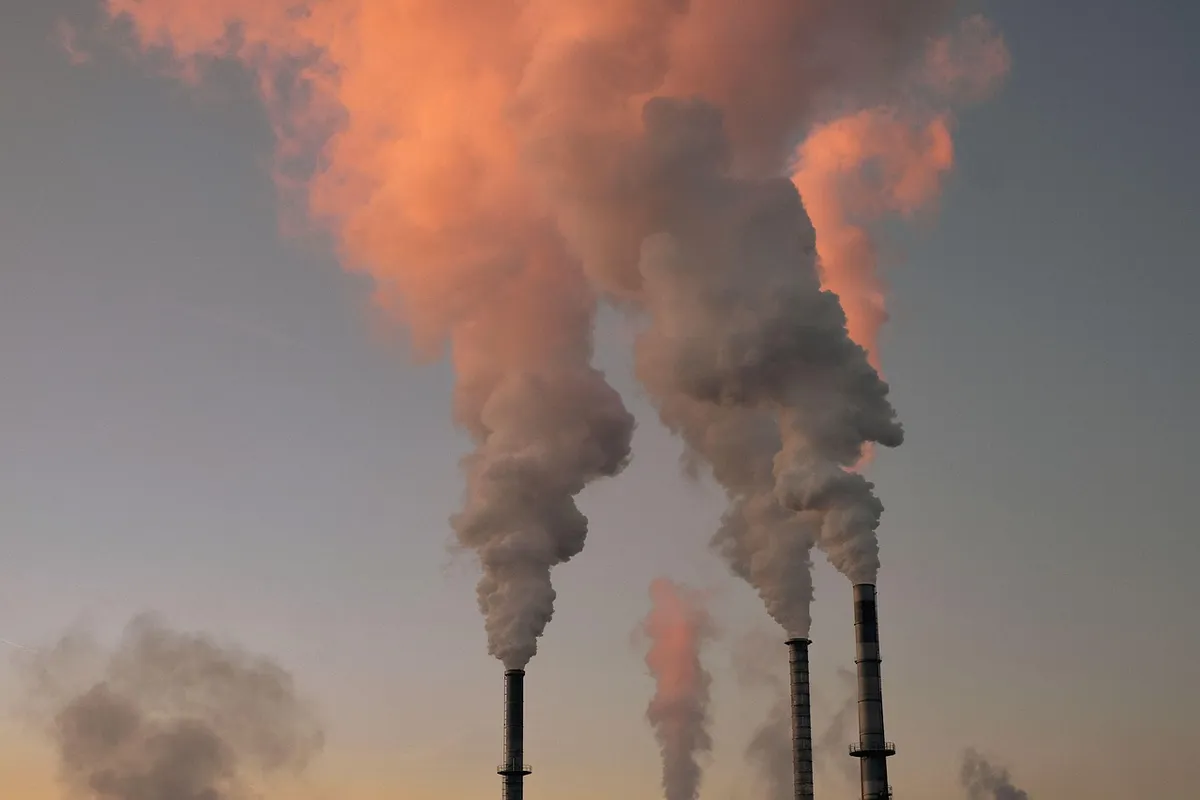
One major project under Alberta's strategy is the Wonder Valley AI Data Centre Park near Grande Prairie. This project represents a significant move toward high-tech industrialization.
The project was exempted from the provincial environmental impact assessment, reflecting current Canadian industry trends for 2026.
However, developers must still secure specific permits to demonstrate safe construction and operation.
How are technological shifts impacting the labor market?
A professional looks at a job posting for a data center technician, noting the specific technical requirements. These shifts in demand highlight the ongoing economic shifts in Canada.
The labor market is adapting to the needs of new industries, such as the data center park in Grande Prairie.
Pierre looks at the project plans for the Grande Prairie area. He notes that while the environmental assessment exemption is in place, the operational permits remain a critical hurdle.
- Review the specific permit requirements for safe construction. 2. Establish operational protocols that meet safety standards. 3. Monitor the transition from traditional labor to tech-centric roles.
Pierre checks the local regulatory guidelines to ensure the project meets all safety mandates.
What are the limits of these industrial shifts? A consultant examines a map of the Alberta region, noting the distance between the new data park and existing urban centers. The geographical reality of these projects poses unique challenges.

The primary limitation of these new industrial developments is the requirement for specialized permits to ensure safe construction and operation. While some projects receive exemptions, they must still satisfy rigorous safety and operational standards to be fully functional.
- How did 2025 economic performance shape current trends?
- What role does AI infrastructure play in regional growth?
- How are technological shifts impacting the labor market?
Related
- The footsteps echo slightly against the polished floor
- Trump tariff impact on Canada: How 50 percent tariffs hit
What are the specific regulatory conditions for the industrial park?
Developers must address the specific permit requirements to ensure safe construction and operation. While the project near Grande Prairie received an exemption from the provincial environmental impact assessment in April 2026, this does not remove the need for other permits.
These permits serve as a condition for demonstrating that the facility can operate safely.
- Secure specific permits to demonstrate safe construction. 2. Secure specific permits to demonstrate safe operation.
Failure to meet these regulatory requirements could impact the project's ability to function. The landscape of the project depends on meeting these safety standards to transition from a vision to a functional facility.
What other factors influence the industrial landscape? The industrial landscape faces challenges beyond permitting, as the transition to high-tech infrastructure requires significant workforce retraining. The economic friction mentioned stems from the mismatch between legacy labor skills and the specialized demands of AI-driven projects. This dynamic shapes how regional governments support the evolution of the industrial sector.
The rise of AI-driven infrastructure necessitates a shift in the skills required for the industrial landscape. Workers must adapt to roles involving data management and advanced technological operation. This adaptation is a direct consequence of the economic benchmarks influencing current planning.
The comparison between traditional resource extraction and modern high-tech infrastructure highlights this skill gap. The industrial innovation forecast anticipates this change, requiring proactive measures to support the workforce transitioning into these new roles.
How does the regulatory environment affect the industrial landscape? The regulatory environment imposes conditions that dictate the pace of industrial development. Even with exemptions from environmental assessments, the requirement for operational permits remains a critical hurdle for any new industrial park.
These specific permit requirements ensure that the industrial landscape adheres to safety mandates during construction and ongoing operation. The condition of securing these permits is fundamental to the project's viability.
The landscape of the industrial sector depends on successfully navigating these regulatory requirements to move from conceptual plans to a functioning industrial reality.








Comments 0