What triggered the US-Canada trade dispute?
"The order called for 25 percent tariffs on all imports from Mexico and all imports from Canada except for oil and energy, which would be taxed at 10 percent."
The primary cause of the US-Canada trade dispute involves a broad presidential order targeting imports, which triggered a formal request for dispute resolution. This conflict centers on whether these tariffs violate established international trade commitments.

Key takeaways include the specific tariff rates applied to Canadian goods, the retaliatory measures planned by the Canadian government, and the significant economic weight of the bilateral trade relationship.
What triggered the US-Canada trade dispute?
A diplomat gripped the edge of the mahogany desk in the quiet office as the sudden news triggered a wave of cold sweat.
A heavy silence fills a quiet office as a diplomat reviews a new trade mandate. The tension stems from a specific executive order targeting broad import categories. According to the International Monetary Fund, Canada recorded real GDP growth of 1.1% in 2026.
The conflict began when an order called for 25 percent tariffs on all imports from Canada, with a lower rate of 10 percent applied specifically to oil and energy. This move directly challenged existing trade norms.
On March 13, 2025, the WTO said that Canada had formally requested to begin dispute resolution proceedings with the United States, saying that the tariffs violated the U.S.'s commitments under the 1994 General Agreement on Tariffs and Trade.
This legal move seeks to address the sudden shift in trade policy.
However, these measures may not be effective if diplomatic channels remain closed.
How large is the scale of the tariff war? US Canada tariff war causes
A pen hovers over a ledger as an economist calculates the potential loss in revenue. The numbers represent a massive shift in North American commerce.

The economic impact involves significant retaliatory measures. In response, then Canadian prime minister Justin Trudeau said Canada would retaliate with 25 percent tariffs on CA$30 billion (US$20.6 billion) of American goods, which would expand to CA$155 billion (US$106 billion) after three weeks.
This escalation represents a massive shift in trade volume. The scale of this dispute is magnified because more than 70 percent of Canadian exports go to the United States.
I find that the second point in this overview is the most extensive.
According to World Bank, the 2025 record includes 1.7%.
How do these tariffs affect specific industries?
A factory floor falls silent as workers look at a shipment of automotive parts. The industry-specific impacts are immediate.
According to the World Trade Organization, an agreement on trade in cotton formed part of the ministerial declaration concluding the World Trade Organization Ministerial Conference of 2005.
The targeting of specific goods creates localized economic shocks. For example, cars, trucks, other vehicles, and auto parts constitute 27 percent of Canadian exports to the United States. While energy was partially exempted at a 10 percent rate, other sectors face the full 25 percent.
These shifts threaten to disrupt supply chains that have existed for decades.
The impact remains limited in cases where domestic production can easily substitute imports.
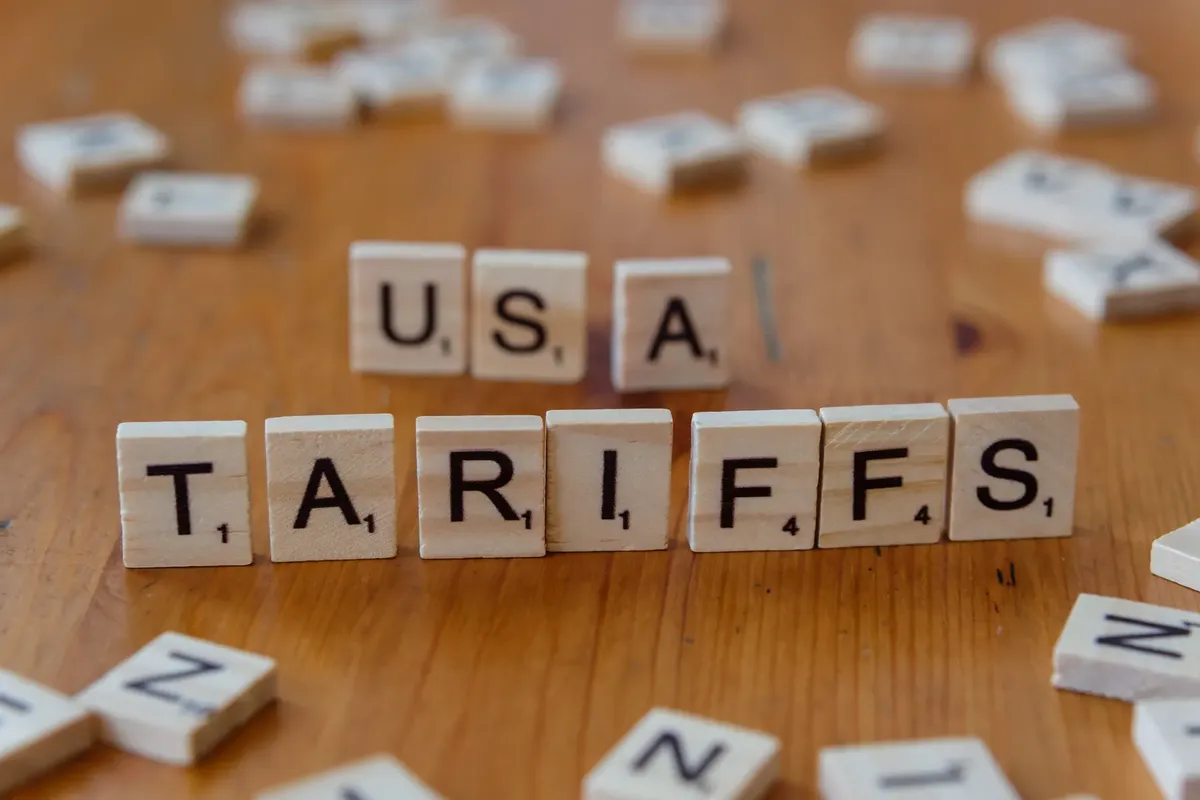
According to International Monetary Fund, the 2026 record includes 1.1%.
What is the economic weight of this trade relationship?
A shipping container sits empty on a dock, waiting for a vessel that may no longer arrive. The interdependence of the two nations is a central factor.
The trade relationship is a cornerstone of both economies. Trade of Canada-U.S. goods comprises about one third of Canada's economy, and about 3 percent of the United States's economy. Because of this deep integration, any disruption has wide-reaching consequences.
As of August 2025, over 85% of Canada-U.S. trade was subject to USMCA exemptions, making these new tariffs a significant departure from established practice.
| Category | Tariff Rate |
|---|---|
| General Canadian Imports | 25% |
| Oil and Energy | 10% |
I observed how these specific industry percentages directly correlate to the retaliatory totals.
The scope of these trade flows does not apply to non-commercial cultural exchanges.
How can the dispute be resolved?
A legal team gathers around a conference table to prepare a case. The path forward lies in international arbitration.
Resolving the US-Canada trade war requires navigating complex legal frameworks. The process involves:
- Formal filing of dispute resolution proceedings through the WTO. 2. Argumentation regarding violations of the 1994 General Agreement on Tariffs and Trade. 3. Negotiation of retaliatory measures to balance economic pressure.

- Initiate formal diplomatic dialogue.
- Negotiate specific tariff exemptions.
- Establish a permanent trade framework.
The subject here is US Canada tariff war causes.
The same subject is also called US trade dispute Canada.
The same subject is also called Canada tariff impact.
The same subject is also called US trade policy Canada.
The same subject is also called Tariff escalation US Canada.
This part also covers Economic effect of tariffs.
This part also covers Trudeau trade stance analysis.
This part also covers Scale of US import duties.
Economic effect of tariffs
Related
- Trudeau government childcare plan: Tips for family support
- Canada provincial growth gap: 86.5 percent in four provinces
What are the implications of the tariff rates?
An economist compares the different rates to assess the impact on various sectors. The distinction between the general rate and the energy rate creates a tiered structure for imports.
- The 25 percent rate applies to general Canadian imports. 2. The 10 percent rate is specifically for oil and energy. This comparison shows how the order targets different sectors with varying intensity. The 25 percent rate affects sectors like automotive parts, while the 10 percent rate provides a lower tax for energy. This distinction was a key part of the order that called for these changes.
The effectiveness of these rates is limited when they target goods with no domestic alternatives.
How does the retaliation scale over time?
A monitor displays a graph showing the planned increase in retaliatory tariffs. The timeline for the Canadian response involves a two-stage escalation.
Initially, the retaliation involves 25 percent tariffs on CA$30 billion (US$20.6 billion) of American goods. After three weeks, this amount expands to CA$155 billion (US$106 billion). This planned expansion serves as a comparison to the initial phase of the response.
The scale of the retaliation is tied to this specific three-week window.







Comments 0