Canada 25 percent tariff impact: US trade war Canada effect
"The economic landscape shifts as trade barriers rise, forcing nations to navigate complex legal and financial waters."
The proposed 25% tariff on Canada threatens to disrupt established economic stability and trade relationships. This analysis examines how such measures affect GDP growth and legal standing under international agreements.
Key takeaways include the potential for slowed economic momentum, the necessity of formal dispute resolution, and the importance of maintaining trade rules.
How does the Canada 25 percent tariff impact economic growth?
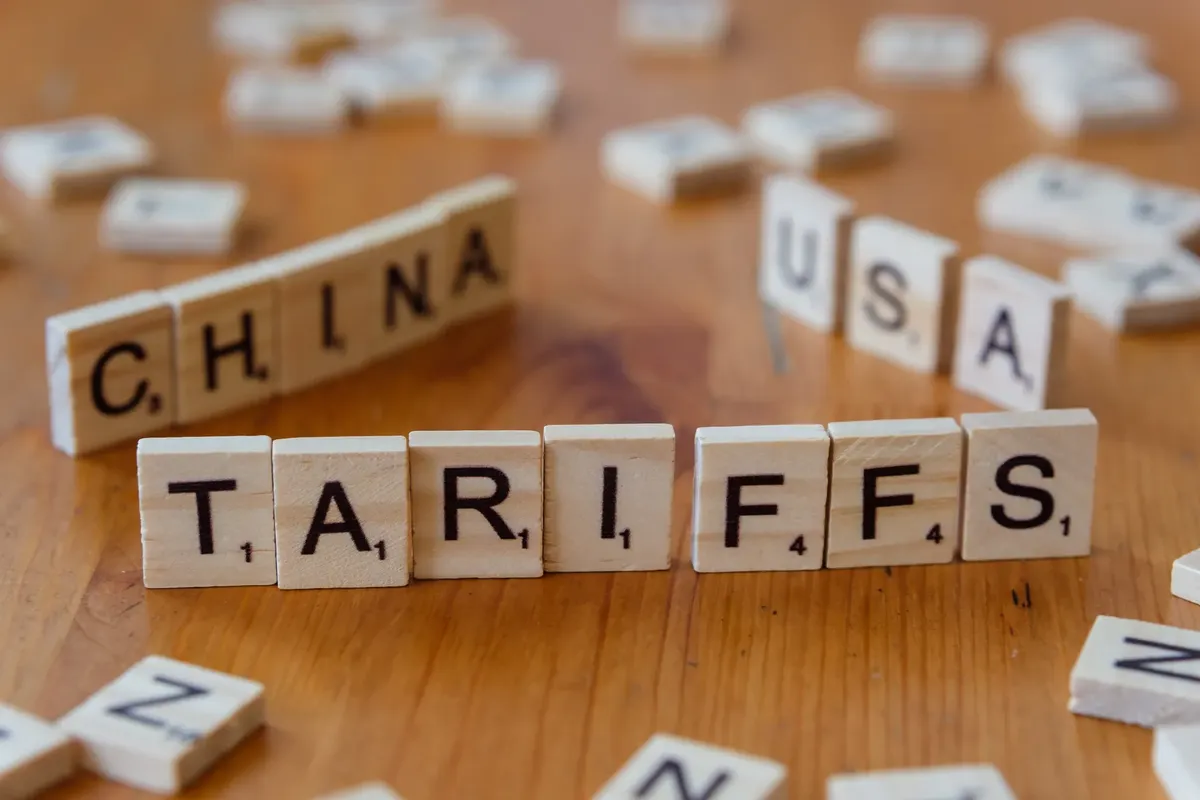
A quiet office in Ottawa holds documents detailing years of steady economic movement. Analysts look at much more than just immediate changes; they look at the momentum of a nation's wealth.
The potential for a significant tariff to disrupt the trajectory of a nation is a primary concern for economists. According to World Bank data, Canada recorded GDP growth of 1.7% in 2025. Such growth provides a baseline that any sudden trade barrier could threaten.
The Canada 25 percent tariff impact would be felt through changes in investment and consumer spending. Maintaining growth requires stability in cross-border commerce. Any sudden shift in trade policy could alter the fiscal outlook of the entire region.
Increased costs for imported goods can lead to higher consumer prices and reduced domestic investment.
What are the legal implications for the Canada 25 percent tariff impact?
A legal team gathers around a conference table to review international trade laws and treaty obligations. They prepare for a long battle over compliance and sovereignty.
The legal response to new tariffs often involves international oversight and formal complaints.
On March 13, 2025, the WTO said that Canada had formally requested to begin dispute resolution proceedings with the United States, saying that the tariffs violated the U.S.'s commitments under the 1994 General Agreement on Tariffs and Trade.
This move highlights the importance of existing frameworks in managing trade conflicts.
The Canada 25 percent tariff impact would likely lead to more litigation regarding global trade rules. Using established channels like the WTO is a standard way to address perceived violations. These legal processes aim to ensure that trade remains predictable and fair for all parties involved.

The imposition of these tariffs may lead to challenges under international trade agreements and domestic regulatory frameworks.
According to World Bank, the 2025 record includes 1.7%.
How does the US trade war Canada effect affect the current economy?
Farmers in the prairies watch the horizon, wondering how shifting market access will change their harvest season. The air is thick with the scent of ripening grain and uncertainty.
Economic fluctuations are often the result of policy changes that disrupt supply chains. According to the International Monetary Fund (IMF), Canada recorded real GDP growth of 1.1% in 2026.
This slowing growth rate suggests that the economy is already navigating various internal and external pressures.
The US trade war Canada effect could further complicate these economic trends. When trade barriers are introduced, the cost of goods often rises for consumers. This can lead to a cycle of inflation and reduced purchasing power within the affected nation.
Supply chain disruptions and market volatility often follow sudden shifts in bilateral trade policy.
What is the Canada economy tariff analysis regarding industrial stability?
A factory floor hums with the sound of machinery, but managers are focused on the rising costs of raw materials. They must decide whether to absorb costs or pass them to customers.
Analyzing the stability of industries requires looking at both historical trends and future projections. The Canada economy tariff analysis must consider how different sectors respond to sudden cost increases.

While some industries may be more resilient, others face immediate threats to their viability.
The Canada economy tariff analysis suggests that supply chain disruptions are a major risk factor. If raw materials become more expensive due to tariffs, domestic production could suffer. This creates a ripple effect that touches multiple sectors of the national economy.
Industries reliant on cross-border trade may face operational uncertainty and shifts in production locations.
How should a Canadian government trade strategy be developed?
A strategist sits in a quiet room, mapping out various scenarios for the future of national trade. Every line on the map represents a potential path for the country's economy.
A robust response involves both diplomatic engagement and economic diversification. A Canadian government trade strategy must address both immediate retaliation and long-term stability. This involves working with allies and strengthening domestic industries to mitigate external shocks.
The Canadian government trade strategy should prioritize the protection of essential sectors. By diversifying trade partners, the nation can reduce its reliance on a single market. This approach builds resilience against localized political shifts and trade wars.
- Assess the vulnerabilities of key export sectors.
- Diversify international trade partners to mitigate single-market reliance.
- Strengthen domestic manufacturing capabilities.
What is the future of Canada US trade?
A cargo ship moves slowly through the water, carrying goods toward a busy port. The movement represents the constant flow of commerce that defines the relationship between the two nations.

The future of the relationship depends on the ability to negotiate within the bounds of international law. Analyzing tariff war consequences involves understanding the long-term shifts in global trade patterns.
If the current tensions persist, the fundamental nature of the relationship could change permanently.
The future of Canada US trade will be defined by how effectively both nations manage their interdependence. While tensions may rise, the economic ties remain deep and complex. Navigating this relationship requires a balance of firmness and cooperation to ensure mutual prosperity.
In this sequence, the second step is the most comprehensive.
The same subject is also called Trump tariff Canada response.
The same subject is also called Impact of 25% tariff on Canada.
Related
FAQ
How did Canada perform economically before these tensions?
What was the specific legal action taken regarding tariffs?
Related posts

Trump tariffs on Canada impact: How 27 percent affects auto

Submarine deal chances: Best tips for naval contract success

Canada natural gas price drop: How shifts affect economy




Comments 0