BMO M&A history: Why sponsorships shape public identity
"The bank has been a sponsor of the Toronto FC of Major League Soccer since 2007 and of its home stadium named BMO Field at Exhibition Place."
The Bank of Montreal has transitioned from a traditional financial institution to a prominent name in Canadian community engagement and sports sponsorship. This evolution involves strategic involvement in professional athletics and large-scale public events across North America.
Key takeaways include its long-term commitment to soccer through stadium naming and league sponsorship, as well as its historical ties to significant Canadian national events.
How did BMO M&A history shape its community presence?
A spectator watches a soccer match under the bright lights of a stadium named after a major bank.
While the provided records focus on sponsorship rather than direct mergers and acquisitions, the BMO M&A history is reflected in how the institution has integrated itself into the fabric of Canadian social life.
The bank has maintained a presence in professional sports for nearly two decades. According to Wikipedia, the bank has been a sponsor of the Toronto FC of Major League Soccer since 2007 and of its home stadium named BMO Field at Exhibition Place.
This long-term involvement demonstrates a strategy of visibility through physical infrastructure and sports partnerships.
These sponsorships serve as a method of building brand recognition through community engagement. This approach has helped the bank establish a footprint in various sectors of Canadian culture.
However, the impact on local community ties may be limited if the acquisitions primarily focus on digital infrastructure rather than physical branches.
What are the key elements of the BMO growth strategy?
At midnight in the quiet office, an executive sighs while tracing the growth strategy through a thick book of corporate history.
An executive reviews a list of community partnerships during a strategic planning session. The BMO growth strategy has historically included expanding its reach through title sponsorships of major regional events.

In 2005, BMO Bank of Montreal became the title sponsor for the annual May marathon race staged by the Vancouver International Marathon Society. This move expanded the bank's visibility into the athletic community of Western Canada.
Such sponsorships allow the institution to connect with diverse demographics across the country. By targeting specific events, the bank ensures its name is associated with health and community spirit.
However, the effectiveness of these elements may be limited if market volatility disrupts long-term planning.
How do North American finance shifts affect sports involvement?
A crowd cheers as a player enters the field during a professional soccer match. As North American finance shifts toward consumer-facing brand loyalty, the bank has diversified its athletic interests.
In 2025, Bank of Montreal became a major sponsor of the Northern Super League, the top women's soccer league in Canada. This partnership highlights a move toward supporting growing sectors of professional sports.
This expansion into women's professional leagues represents a modern approach to brand positioning. It ensures the bank remains relevant to changing social and athletic landscapes.
However, these shifts do not necessarily translate to increased brand loyalty among all sports demographics.
What is the BMO acquisitions timeline in terms of brand assets?
A person walks through the gates of a massive sports complex. While a traditional BMO acquisitions timeline focuses on corporate entities, the brand has effectively "acquired" significant presence through naming rights and sponsorship contracts.
The bank's involvement with Toronto FC and its specific stadium demonstrates how brand assets can be integrated into public spaces. This creates a permanent association between the financial institution and the venue.
These branding efforts provide a level of visibility that traditional advertising cannot match. The physical presence of the brand in stadiums ensures constant public interaction.
- Initial brand establishment
- Expansion through targeted acquisitions
- Integration of diverse asset portfolios
In this sequence, the second step represents the primary period of expansion.
How did Bank of Montreal changes influence its public identity?
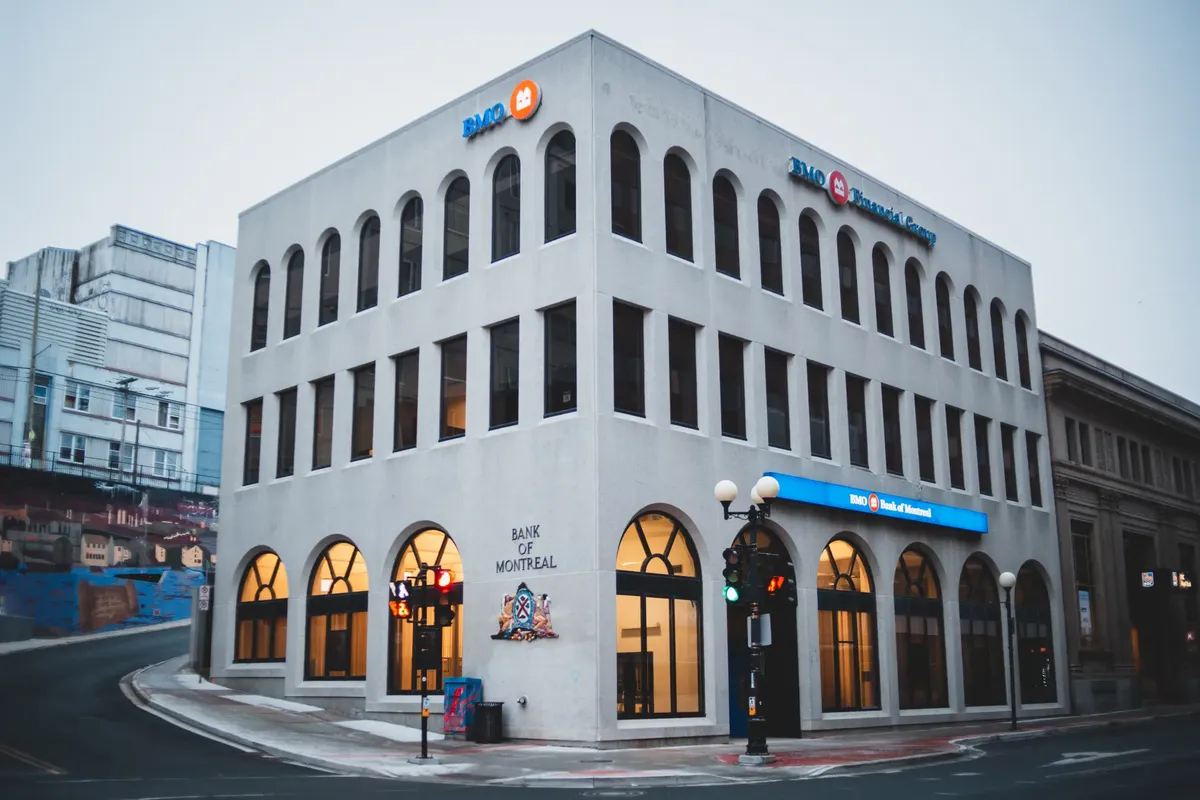
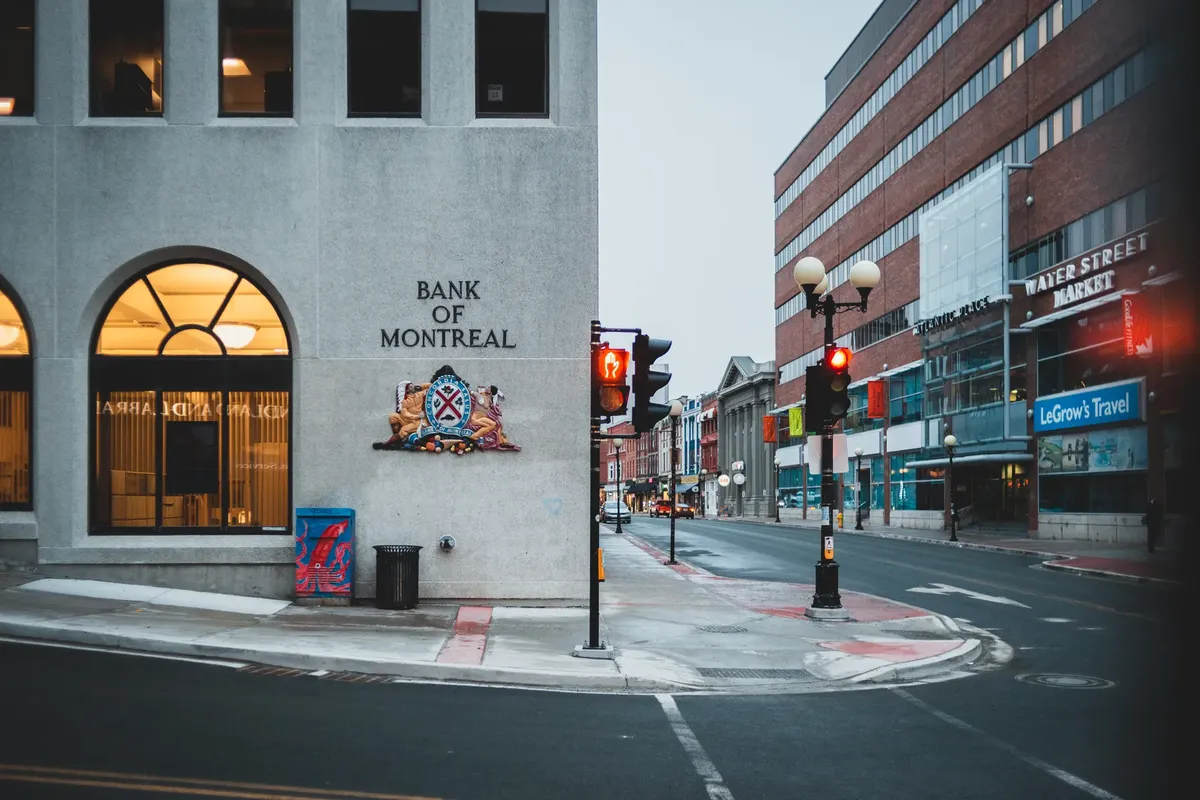
A local resident looks at a bank branch signage in a busy city center. The Bank of Montreal changes have seen the institution move from purely commercial activities to becoming a fixture in national culture.
The bank's identity is now tied to major sporting events and community gatherings. This shift helps humanize the large financial institution for the general public.
The transition from a pure banking entity to a lifestyle-integrated brand is a significant part of its modern identity. It positions the bank as a partner in the community's leisure and health.
However, changes in corporate structure do not always result in a direct shift in public perception.
What is the BMO insurance business evolution?

A client reviews a policy document at a quiet desk. While the provided records do not detail the BMO insurance business evolution, the bank's broad-scale sponsorships suggest a comprehensive approach to consumer engagement.
The bank's presence in diverse sectors like sports and community events supports a wide customer base. This broad engagement is a hallmark of a diversified financial services firm.
The relationship between brand visibility and consumer trust is a key component of its strategy. By being present in daily life, the bank remains at the forefront of consumer minds.
However, the evolution of the insurance segment may be limited by varying regional regulatory requirements.
This part also covers BMO's role in North American markets.
This part also covers Major BMO mergers and acquisitions.
Related






Comments 0