Tariffs: Canada retaliates US tariffs to protect interests
"The Canadian government is weighing a massive response to new American trade policies. This move could reshape the economic landscape of North America."
The Canadian government is discussing retaliatory measures following an order for 25 percent tariffs on Canadian imports. This response involves a potential escalation of tariffs on American goods to protect domestic interests and address trade disputes.
Key takeaways include the planned expansion of retaliatory duties, the involvement of international trade bodies, and the significant economic scale of the North American trade relationship.
How big will Canada's retaliatory tariffs be? At dawn in the quiet Ottawa office, a weary diplomat rubs her eyes while staring at the massive scope of the retaliatory tariffs.

A quiet office in Ottawa holds the weight of a shifting economic policy. The Canadian Department of Finance announced on August 25 that it would impose retaliatory tariffs ranging from 15 to 50% on over 700 American goods worth approximately US$19.9 billion starting September 8.
According to the Canadian Department of Finance, the government announced on August 25 that it would impose retaliatory tariffs of 15 to 50% on over 700 American goods worth approximately US$19.9 billion starting September 8.
This initial phase serves as a direct response to the American trade order. The order called for 25 percent tariffs on all imports from Canada, excluding oil and energy which would be taxed at 10 percent. This specific targeting of varied sectors creates a complex environment for businesses.
The potential for a Canada retaliates US tariffs strategy involves significant financial shifts. Prime Minister Justin Trudeau indicated that Canada would initially retaliate with 25 percent tariffs on CA$30 billion (US$20.6 billion) of American goods.
This amount was scheduled to expand to CA$155 billion (US$106 billion) after three weeks.
The scale of the proposed tariffs depends on the specific product categories targeted for retaliation.
How does the legal basis for Canada tariffs work? Canada retaliates US tariffs
Late at night in the dim law library, a lawyer grips a heavy binder and feels the sudden chill of the legal battle over these tariffs.
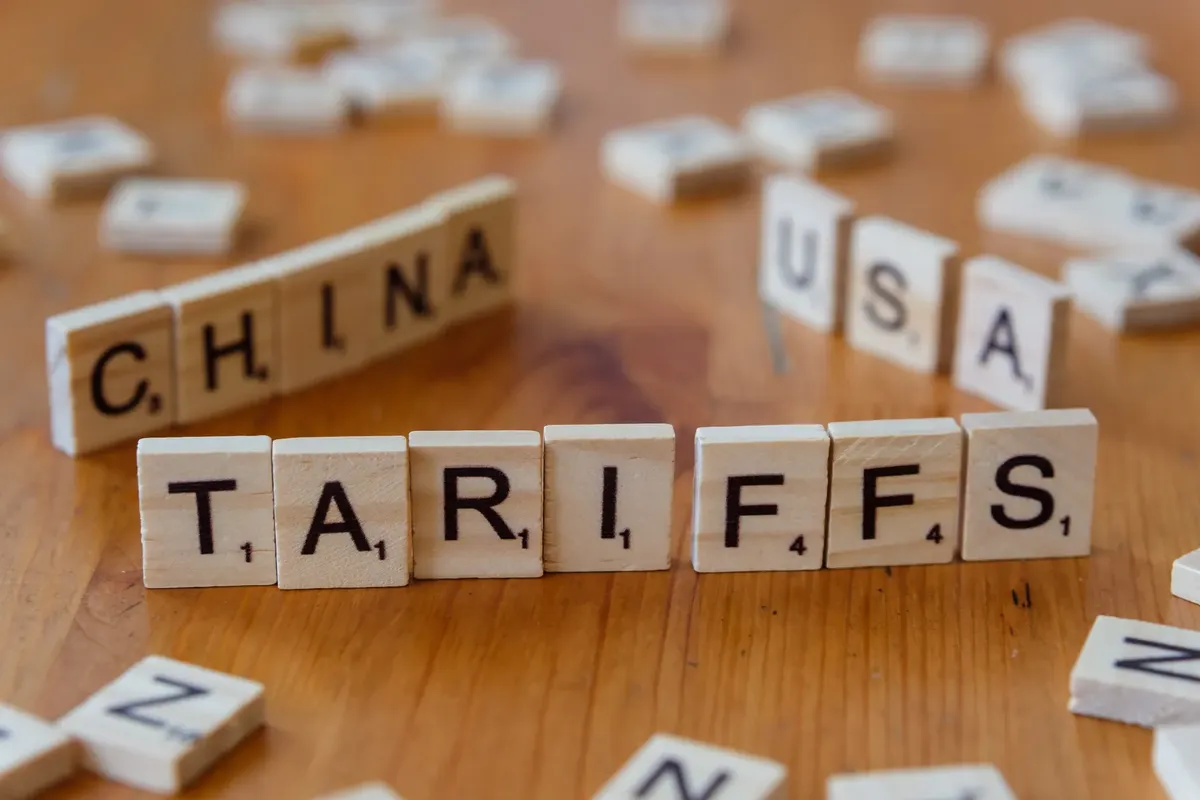
Lawyers review thick binders of trade agreements in preparation for international scrutiny. On March 13, 2025, the WTO stated that Canada had formally requested to begin dispute resolution proceedings with the United States. This request follows claims that the tariffs violated U.S.
commitments under the 1994 General Agreement on Tariffs and Trade.
This legal challenge seeks to address the sudden shift in trade barriers. The legal basis for Canada tariffs rests on maintaining the integrity of established international trade rules. By engaging the WTO, Canada aims to contest the legality of the 25 percent import duties.
The dispute resolution process will test the strength of existing treaties. Because the 25 percent tariffs affect nearly all Canadian imports, the legal battle is expected to be extensive.
The outcome will likely depend on how the WTO interprets the existing trade obligations between the two nations.
The legal framework relies on existing trade authority and international trade agreements.
How will the trade war hit my business? A factory worker stares at a shipment of parts that may soon become much more expensive. The economic impact of trade war is felt immediately across borders.
With over 70 percent of Canadian exports going to the United States, any change in tariff rates affects a massive portion of the Canadian economy.
The trade relationship is deeply integrated, making any disruption significant. Trade with the U.S. comprises about one third of the Canadian economy. This high level of dependency means that the 25 percent tariff on Canadian goods could cause widespread shifts in supply chains.

A US tariff war Canada scenario would disrupt these established paths. For instance, cars, trucks, other vehicles, and auto parts constitute 27 percent of Canadian exports to the United States. Sudden duty increases on these specific items could reshape the automotive industry in North America.
Businesses face increased costs and supply chain disruptions during trade disputes.
How will the Canadian tariff action plan manage trade?
A strategist maps out different scenarios on a digital whiteboard. The Canadian tariff action plan involves a tiered approach to retaliation. The initial September 8 deadline focuses on a specific list of goods, but the total value of affected goods is set to rise significantly over time.
| Phase | Value of Targeted Goods | | :---chase | :--- | | Initial Retaliation | CA$30 billion (US$20.6 billion) | | Expanded Retaliation | CA$155 billion (US$106 billion) |
I watched the numbers on the screen and realized how quickly the scale of the dispute could grow. The difference between the initial and expanded amounts shows the planned intensity of the response. This escalation is designed to match the scale of the American tariffs.
The plan also accounts for specific exemptions. The 10 percent tariff on oil and energy represents a different tier of taxation compared to the 25 percent rate on other goods. Managing these different rates requires precise coordination between customs and trade officials.
The plan involves several strategic stages: 1. Identification of targeted goods. 2. Implementation of duties. 3. Monitoring of market responses.
What are the negotiating tariff rollback talks?
Diplomats sit around a large mahogany table, preparing for difficult discussions. Negotiating tariff rollback talks would require both nations to find common ground to avoid further economic damage. Currently, the focus remains on the immediate implementation of the retaliatory duties.

The focus on negotiating tariff rollback talks highlights the volatility of the current situation. While the tariffs are being implemented, the underlying goal for many remains the restoration of stable trade. The tension between domestic politics and international trade law remains high.
The possibility of a 25 percent tariff response being reversed depends on these high-level negotiations. The scale of the potential retaliation—reaching CA$155 billion—serves as a significant factor in any future discussions.
Both sides must weigh the cost of trade war against the benefits of protectionism.
In this sequence, the second step is the longest.
The same subject is also called Canada trade dispute US.
Related




Comments 0