Systemic racism in Canadian institutions: Tips on bias
"The weight of history is often carried in the architecture of our institutions, yet the foundations sometimes reveal cracks in the promise of equality."
Systemic racism in Canadian institutions remains a critical subject of debate, involving complex legal histories and modern sociological data.
This analysis explores how historical breaches and contemporary institutional biases shape the Canadian landscape, focusing on legislative comparisons, judicial precedents, and the role of public entities.
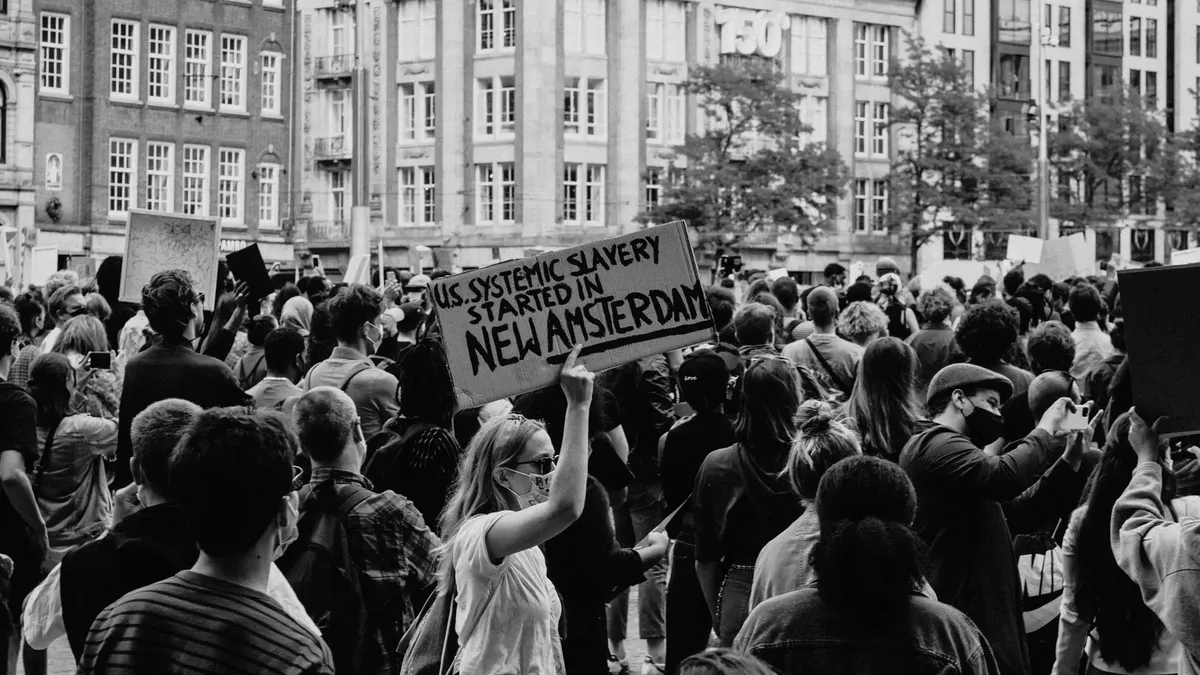
Key takeaways include the impact of international human rights rulings, the reality of bias in employment and policing, and the structural challenges facing marginalized communities.
How has international oversight shaped Canadian human rights?
At dusk in the quiet courtroom, she felt a cold shudder as she realized how international rulings could expose a systemic failure in domestic law.
The document outlines a moment when the international community scrutinized domestic policies.
On November 5, 1999, the UN Human Rights Committee held that Canada was in breach of the equality provisions of the International Covenant on Civil and Political Rights. This ruling highlighted how national laws can conflict with international human rights standards.
Such findings serve as a reminder that domestic legal frameworks must align with global equity commitments to prevent systemic failures.
However, the influence of international bodies remains limited when they conflict with domestic sovereignty.
What role does provincial legislation play in human rights?
A researcher sits in a quiet library, flipping through a thick report comparing different regional laws. The task is to identify inconsistencies in how rights are protected across the country.
In January 2018, the Canadian Centre for Diversity and Inclusion released a report comparing provincial legislation regarding human rights. This analysis sought to understand how different regions manage human rights protections.
Understanding these legislative variations is essential for identifying gaps in the protection of diverse populations across Canada.

However, provincial laws may not apply to matters strictly under federal jurisdiction.
Can historical judicial decisions illustrate systemic bias?
A lawyer examines an old court transcript, noting the names and the specific rights being contested in a bygone era. The text describes a struggle for the basic right to participate in democracy.
The Judicial Committee rejected a challenge to the provincial law brought by a naturalized Japanese-Canadian, Tomekichi Homma, who had been denied the right to vote in British Columbia provincial elections.
This case illustrates how historical legal decisions could systematically exclude specific groups from democratic processes. Such precedents show how institutionalized barriers were once codified in law.
However, these historical precedents do not necessarily reflect current legal standards.
How do modern employment practices reflect bias?
An office manager looks at a stack of resumes, noting the names on the top of the pile. The atmosphere is professional, yet the selection process remains subject to unspoken influences.
Employers remain 40% more likely to interview applicants with English-sounding names despite identical qualifications. This statistic suggests that name-based bias can significantly impact career opportunities for newcomers and ethnic minorities.
Addressing these hiring disparities is a vital step in combating systemic racism in the private sector.
However, these patterns may not be evident in every individual hiring process.
What is the impact of hate crimes on Canadian society?
A police officer reviews a digital dashboard showing recent reports of bias-motivated incidents. The rising numbers indicate a shifting social climate that requires immediate attention.
In 2017, 43% of police-reported hate crimes in Canada were motivated by racial or ethnic bias. Of these, 16% targeted Black individuals, 17% targeted Muslims, and 18% targeted Jewish individuals.
These figures highlight the specific vulnerabilities faced by different communities due to targeted prejudice.
However, the social impact can vary depending on the specific community affected.
How is the correctional system structured?
A visitor stands outside a federal correctional facility, contemplating the demographic breakdown of the inmate population. The contrast between the local community and the prison population is stark.
Indigenous peoples are heavily overrepresented in federal correctional institutions, accounting for 27% of the prison population while comprising only 4.1% of the national population.
This disparity points to deep-seated issues within the justice system regarding the treatment of Indigenous communities. Such imbalances reflect long-standing structural challenges in the administration of justice.
- Intake and classification
- Placement in facility
- Rehabilitation programming
I find that the second step is the most complex.
Wikipedia: Canadian Museum for Human Rights (full) Based on the retained excerpt mentioning Canadian Museum: The Friends of the Canadian Museum for Human Rights, led by Gail Asper, have raised more than $130 million in private donations from across Canada toward a final goal of $150 million.
Systemic racism in Canadian institutions
The same subject is also called Canadian public sector racism.
The same subject is also called Institutional racism Canada data.
The same subject is also called Human rights in Canadian agencies.
The same subject is also called Racial bias in Canadian services.
This part also covers Impact of racism on Canadian public services.
This part also covers Statistics on racial discrimination Canada.
This part also covers Role of government in anti-racism.
Impact of racism on Canadian public services
Related







Comments 0