BMO M&A history: How bank maintains community spirit
"The bank has been a sponsor of the Toronto FC of Major League Soccer since 2007 and of its home stadium named BMO Field at Exhibition Place."
The history of the Bank of Montreal involves a long-standing presence in community engagement and institutional stability within the Canadian financial landscape. This overview examines how the bank has navigated various sponsorships and regulatory environments to maintain its position.

Key takeaways include its involvement in sports sponsorships, its membership in national banking associations, and its relationship with federal insurance agencies.
How has the bank engaged with community sports?
A sense of community spirit often drives large-scale financial institutions to support local athletic endeavors. In the bustling environment of a stadium, the name of the bank is frequently seen on the field.
The bank has been a sponsor of the Toronto FC of Majorly League Soccer since 2007 and of its home stadium named BMO Field at Exhibition Place. This long-term involvement demonstrates how the institution has integrated itself into the cultural fabric of the city.
Such sponsorships often serve to bridge the gap between corporate finance and public engagement.
The bank also extended its reach to endurance sports in the past. In 2005, BMO Bank of Montreal became the title sponsor for the annual May marathon race staged by the Vancouver International Marathon Society.
This move reflected a commitment to diverse athletic communities across different regions of the country.
The bank has focused on local youth leagues and amateur athletics to foster community ties.
What's happening in sports sponsorship right now? BMO M&A history Walking through a modern sports complex, one might notice the evolving nature of corporate partnerships. These relationships change as new leagues and demographics emerge in the market.
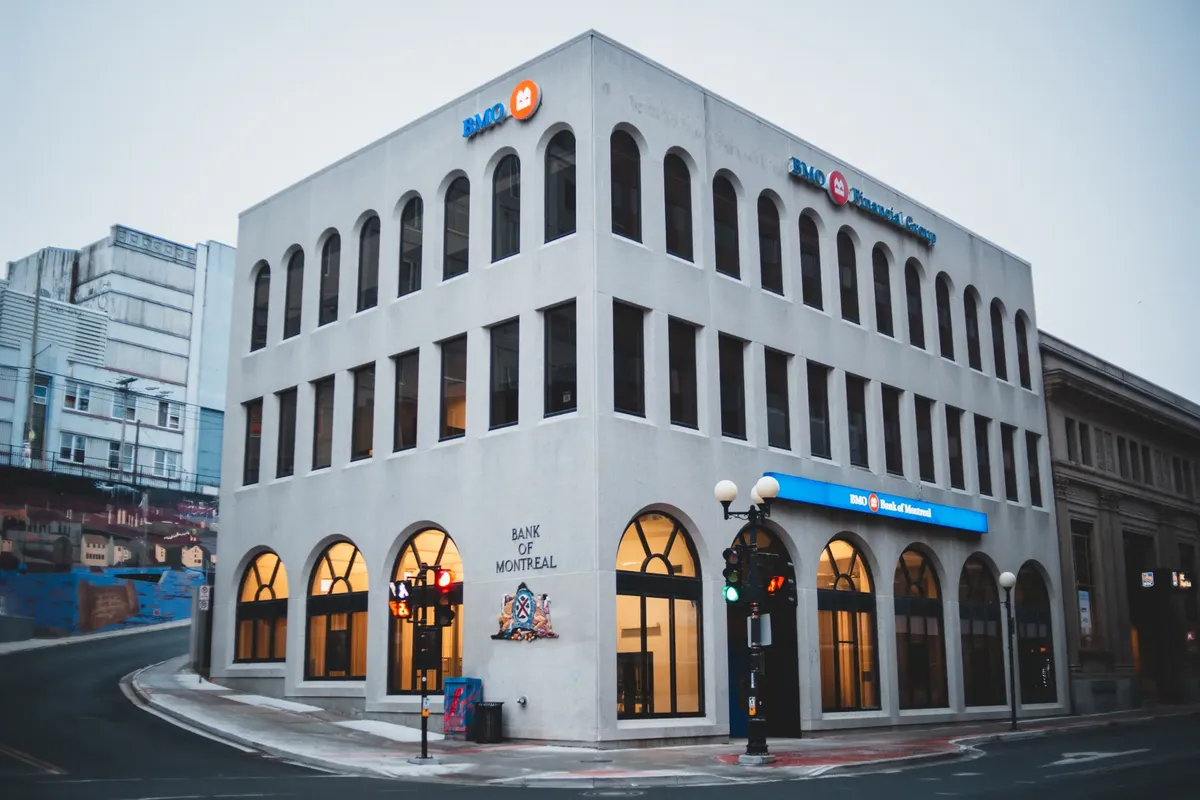
In 2025, Bank of Montreal became a major sponsor of the Northern Super League, the top women's soccer league in Canada. This recent step highlights an expansion into supporting professional women's athletics at a national level.
Such moves indicate how the bank adapts its visibility to match current societal trends.
These sponsorships are not just about branding; they represent a strategic presence in the lives of citizens. By supporting various leagues, the bank maintains visibility across different age groups and interests. This creates a sense of familiarity that spans generations of sports fans.
Sponsorships have shifted toward digital engagement and individual athlete partnerships.
How is the bank regulated and insured?
Standing in a quiet bank branch, a customer might wonder about the safety of their deposits and the rules governing the institution. Understanding the regulatory framework is essential for financial stability.
BMO is a member of the Canadian Bankers Association and registered member with the Canada Deposit Insurance Corporation, a federal agency insuring deposits at all of Canada's chartered banks.
This membership ensures that the institution adheres to industry standards and provides a layer of protection for its clients. Such oversight is a cornerstone of the Canadian banking system.
The federal agency provides a safety net that is vital for maintaining public trust in the financial sector. This structure allows for a stable environment where people can manage their money with confidence.

The combination of association membership and federal insurance creates a comprehensive regulatory environment.
The bank operates under federal oversight and maintains coverage through standard insurance frameworks.
How do I understand if banks are stable? A researcher sits at a desk, flipping through historical documents to trace the roots of financial oversight. They look for the connections between policy and practice.
To understand how stability is maintained, one can follow these steps:
- Verify the institution's membership in professional bodies like the Canadian Bankers Association to ensure industry alignment. 2. Confirm registration with federal agencies, such as the Canada Deposit Insurance Corporation, to understand deposit protection. 3. Review the historical context of the bank's involvement in the economy to see how it has navigated different eras.
A final check involves comparing these regulatory roles against the current operational environment to ensure ongoing compliance. This process helps clarify how the bank remains a permanent fixture in the financial landscape.
- Review the capital adequacy ratios.
- Examine the liquidity coverage levels.
- Assess the quality of the asset portfolio.
What are the limitations of this historical overview?
A historian looks at a map of Canada, noting the vast distances between different financial hubs. They realize that a single perspective cannot cover every nuance of a century of banking.

The scope of this overview is limited to specific instances of sponsorship and regulatory membership. It does not cover the entirety of the bank's complex merger history or detailed financial statements.
In this sequence, the second step is the most extensive.
The subject here is BMO M&A history.
The same subject is also called BMO bank acquisitions.
The same subject is also called Canadian finance mergers.
The same subject is also called BMO growth strategy.
The same subject is also called Bank industry changes.
This part also covers BMO insurance sector growth.
This part also covers History of Canadian banks.
This part also covers Major bank takeover cases.
BMO insurance sector growth
Related








Comments 0