Canada wildfire response: Best tips for managing fire risks
"The 2023 fire season was mainly driven by anthropogenic climate change, with temperatures in Canada from May to October 2.2 °C higher than the 1991–2020 average."
The Canada wildfire response addresses a period of unprecedented environmental destruction where massive acreage burned across the country. This crisis primarily impacts local communities through forced evacuations and significant ecological shifts.
Key takeaways include the massive scale of displacement, the record-breaking area of burned forest, and the role of rising temperatures in intensifying fire weather.
What defines the current Canada wildfire response?
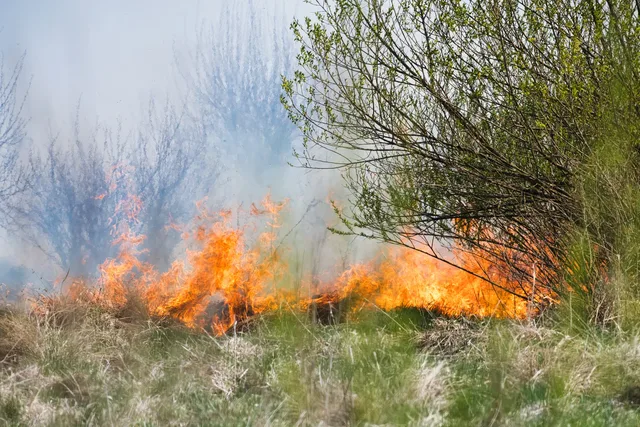
A heavy smoke haze settles over a remote forest as firefighters monitor a distant orange glow. This Canada wildfire response involves managing thousands of individual ignition points that threaten both wilderness and residential zones.
The scale of the activity in 2023 was historically significant compared to previous years.
As of October 6, 6,551 fires had burned 184,961 square kilometres, which accounts for about 5% of the entire forest area of Canada. This figure is more than six times the long-term average of 27,300 square kilometres for that specific time of year.
By mid-October, the total area burnt was more than 2.5 times the previous record. The sheer volume of land affected highlights the intensity of the season.
How does the wildfire status Canada impact global ecology?
Dry leaves crunch underfoot in a clearing where the canopy has been stripped away by heat. Monitoring the wildfire status Canada reveals that the local impact has reverberated across the entire planet. The destruction of timber and the release of gases have changed global environmental metrics.
According to the Copernicus Atmosphere Monitoring Service, the fires represented over a quarter of global tree loss in 2023, and the service estimated that they produced 23% of global wildfire carbon emissions in 2023.
According to the Internal Displacement Monitoring Centre, an estimated 185,000 people were displaced, representing 43% of worldwide wildfire-related displacements for 2023.
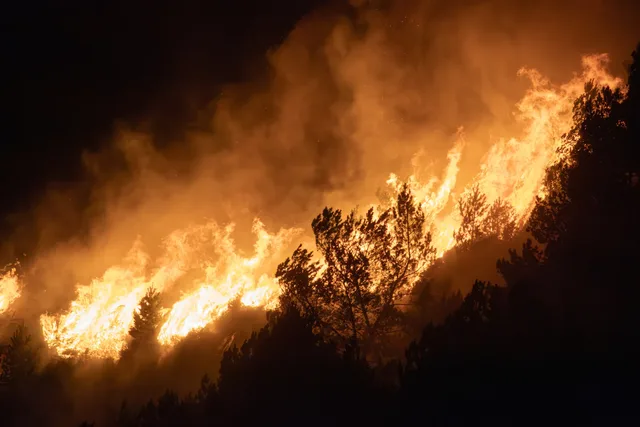
The fires represented over a quarter of global tree loss in 2023. These figures demonstrate how a domestic crisis contributes to international atmospheric changes.
Why are social issues fire becoming more prevalent?
A family packs a single suitcase in a quiet living room as an emergency alert sounds on a smartphone. Understanding the social issues fire presents requires looking at the human cost of displacement and community stability.
The movement of people away from danger zones creates sudden logistical and social pressures.
The Internal Displacement Monitoring Centre estimated that 185,000 people were displaced, representing 43% of worldwide wildfire-related displacements for 2023. This massive movement of people shows the direct link between environmental volatility and human security.
Such large-scale shifts in population can strain local resources and long-term housing stability.
According to Copernicus Atmosphere Monitoring Service, the 2023 record includes 23%.
What are the primary firefighting efforts and causes?
A crew of workers maneuvers heavy equipment through thick brush to create a containment line. Effective firefighting efforts must account for the varied causes of ignition, which differ significantly by province. Understanding these causes helps in predicting where the next threat might emerge.
| Region | Primary Cause of Wildfire |
|---|---|
| British Columbia | Natural causes (72%) |
| Nova Scotia | Human activity (approx. 97%) |
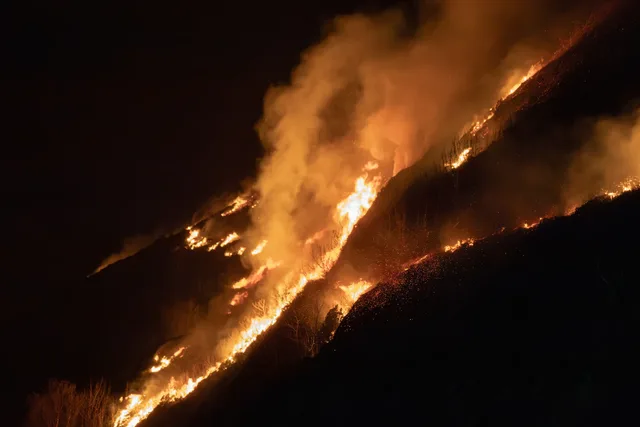
I observed how the different regional triggers change the way crews prepare for the season. In British Columbia, 72% of wildfires in 2023 were triggered by natural causes, while the remainder were due to human activity.
Conversely, in Nova Scotia, only about 3% of wildfires are caused by lightning, leaving the remaining majority to be caused by human activity.
Is the Canada heat crisis driving these events?
The sun beats down on a cracked, dry riverbed where water used to flow freely. This Canada heat crisis is a central component of the recent fire seasons. Higher temperatures create the perfect environment for lightning and human-caused sparks to turn into uncontrollable infernos.
The 2023 fire season was mainly driven by anthropogenic climate change, with temperatures in Canada from May to October 2.2 °C higher than the 1991–2020 average.
This trend also made the unusually long nationwide fire season five times more likely.
How can communities prepare for fire weather?
A resident checks the local weather station on a tablet while looking at the dry landscape outside. To manage the risks associated with fire weather, individuals and local authorities should follow specific protocols.
- Monitor official evacuation orders, such as the one issued to the town of Drayton Valley on May 4. 2. Maintain containment boundaries around residential properties to prevent spread. 3. Ensure all emergency kits are ready for sudden departures.
A final check involves verifying that all local communication channels are active and that evacuation routes are clear. This preparation is difficult in regions experiencing extreme drought.
For example, between July and October 21, much of British Columbia had seen less than a quarter of usual rainfall, with Victoria recording only 2 millimetres of rain instead of its normal average of 132 mm.
- What defines the current Canada wildfire response?
- How does the wildfire status Canada impact global ecology?
- Why are social issues fire becoming more prevalent?
This part also covers Current wildfire situation.
This part also covers Community impact of fires.
This part also covers Government fire strategy.
What was the total area burned in Canada by October 6?
As of October 6, 6,551 fires had burned 184,961 square kilometres, which is about 5% of the entire forest area of Canada.
The scale of the 2023 wildfire season was defined by unprecedented acreage burned and massive human displacement. While the intensity of these events is linked to rising temperatures and changing weather patterns, the specific impact varies by region and local ignition causes.
Comments 0