Infrastructure Guide: How Smart Grids Combat Heatwave Risks
This article is about Infrastructure. "The sky turned a bruised shade of orange, and the heat felt like a physical weight against the skin."
This atmospheric shift signals a fundamental change in how we must view seasonal stability. As weather patterns become more erratic, the focus is shifting toward long-term survival strategies rather than temporary fixes.
* Shift from reactive disaster response to proactive infrastructure adaptation. * Integration of atmospheric science into national economic planning. * Development of community-based cooling and mental health networks. * Investment in smart infrastructure to manage extreme temperature fluctuations.
How can Canada build resilience against persistent weather patterns?
The sun beat down on the cracked pavement of a suburban street, shimmering in waves that made the horizon look liquid. For many, this heat is no longer a summer anomaly but a recurring visitor that demands a complete overhaul of urban living standards.
According to the World Bank, Canada recorded a total population of 41,651,653 in 2025.
Building resilience requires moving beyond simple emergency alerts toward a fundamental restructuring of how cities are built and how societies function under pressure.
The primary goal is transitioning from reactive emergency response to proactive climate adaptation. Instead of merely deploying fire trucks or sandbags after an event occurs, planners are looking at how to design landscapes that naturally mitigate heat and flood risks.
This involves rethinking everything from asphalt composition to the placement of green spaces.
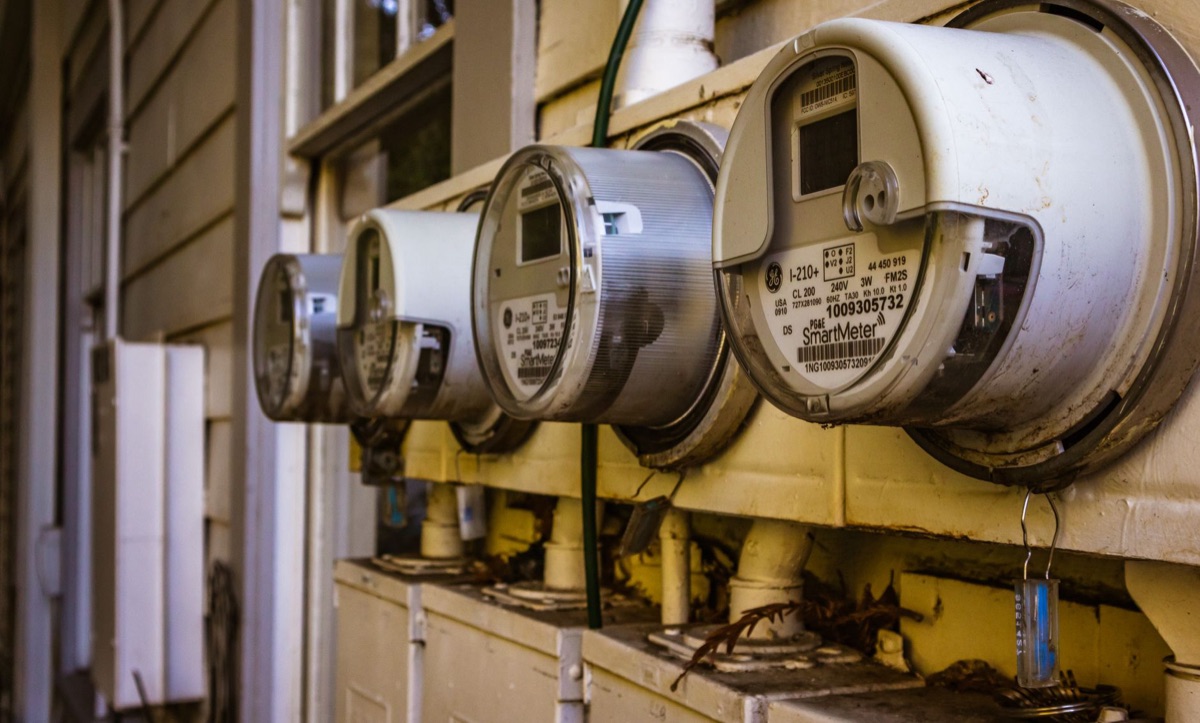
Investment in "smart" infrastructure is a critical component of this transition. Modernizing power grids to handle massive spikes in cooling demand is essential to prevent widespread outages during heatwaves.
Furthermore, water management systems must be redesigned to handle both prolonged droughts and sudden, intense precipitation.
Public health strategies must also evolve to include community-based cooling centers and mental health support networks. Extreme weather does not just affect physical health; it places immense strain on social cohesion and psychological well-being.
Creating designated safe zones within walking distance of residential areas is a vital step in protecting vulnerable populations.
Finally, policy-level changes are necessary to integrate atmospheric science into national security and economic planning. Weather is no longer just a matter of daily forecasts; it is a variable that affects food security, energy stability, and trade routes.
Governments must treat climate volatility as a core component of national stability.
| Strategy Type | Focus Area | Primary Objective |
|---|---|---|
| Infrastructure | Smart Grids & Water Systems | Managing resource spikes and floods |
| Public Health | Cooling Centers & Mental Health | Protecting human life and well-being |
| Policy | National Security Integration | Aligning economic goals with climate reality |
| Urban Design | Heat-Resilient Architecture | Reducing the urban heat island effect |
Why does the heat feel so much more intense lately?
I stood on a balcony last Tuesday, watching the thermometer climb toward a level that seemed impossible for this time of year. The stillness of the air was suffocating, a heavy blanket that seemed to trap every ounce of warmth against the ground.
The Canada Border Services Agency provided tips for a smoother trip during the 2023 Labour Day long weekend.
This sensation of inescapable heat is often linked to specific atmospheric setups that prevent natural cooling cycles.
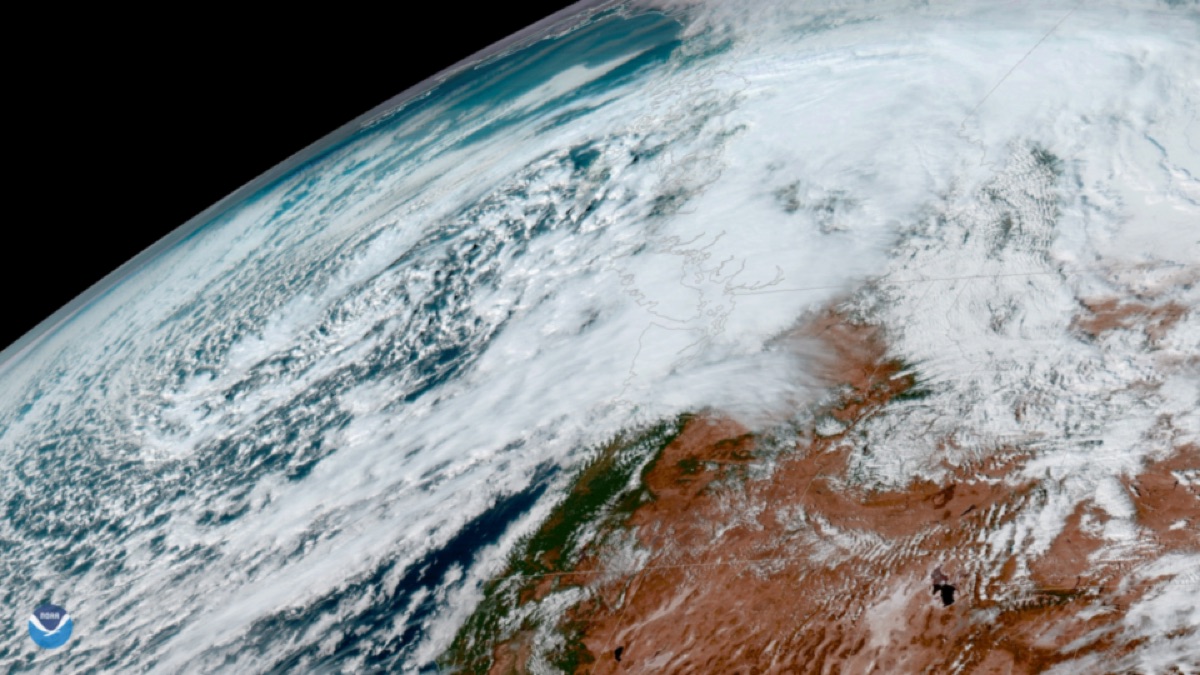
The phenomenon of a "blocking high" is often responsible for these prolonged periods of intense heat. This occurs when a high-pressure system becomes stationary over a vast region, acting as a literal wall that prevents cooler weather fronts from moving in.
Because the air is sinking within this high-pressure zone, it warms as it descends, further raising temperatures.
This atmospheric blockage can last for days or even weeks, creating a feedback loop of rising temperatures. As the ground heats up, it can create its own localized high-pressure zones, making it even harder for traditional weather patterns to break through.
This is why these heat own events feel so much more persistent than a typical hot day.
The lack of wind and cloud cover associated with these systems also plays a major role. Without the movement of air to disperse heat or the shade of clouds to reflect sunlight, the surface absorbs maximum energy.
This leads to the "heat island" effect in urban areas, where concrete and asphalt retain heat long after the sun has set.
How do we prepare for the next major shift?
I remember looking at a map of the province and realizing that the traditional boundaries of "safe zones" were shifting toward the north. The realization hit that the old way of living—planning for predictable seasons—was becoming obsolete.
The American Immigration Council published an article in 2026 regarding how DHS classifies AI in immigration enforcement.
Preparation requires a multi-layered approach that addresses both immediate survival and long-term stability.
The first step is to establish a multi-tiered response plan that involves both local municipalities and national agencies. This includes maintaining redundant energy supplies and ensuring that communication networks remain operational during extreme weather events.
Without reliable power and data, even the best-laid plans can fail during a crisis.
- Assess current infrastructure vulnerabilities against projected weather extremes. 2. Develop community-level resource maps, including water access and cooling zones. 3. Implement early warning systems that go beyond simple text alerts to include actionable instructions. 4. Train local volunteer networks to assist during periods of isolation or infrastructure failure. 5. Audit food and medical supply chains to ensure resilience against transport disruptions.
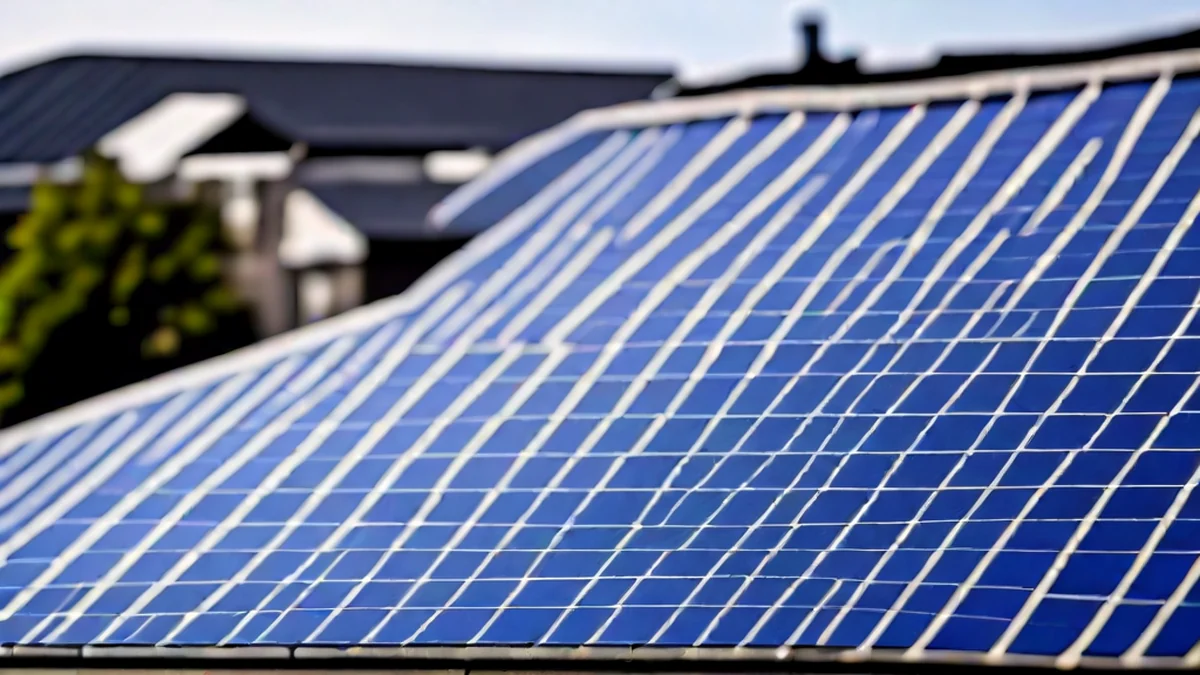
A second layer of preparation involves diversifying energy sources. Relying on a single type of power generation can be dangerous if that source is vulnerable to specific weather patterns, such as droughts affecting hydropower or heat affecting solar efficiency.
A mix of renewable and traditional sources provides a buffer against localized outages.
Finally, education is a tool of resilience. Teaching citizens how to manage heat exposure, recognize signs of heatstroke, and maintain household water supplies is as important as building better dams.
A prepared population is much more capable of managing the stresses of a changing environment without succumbing to panic.
Is traditional architecture still sufficient?
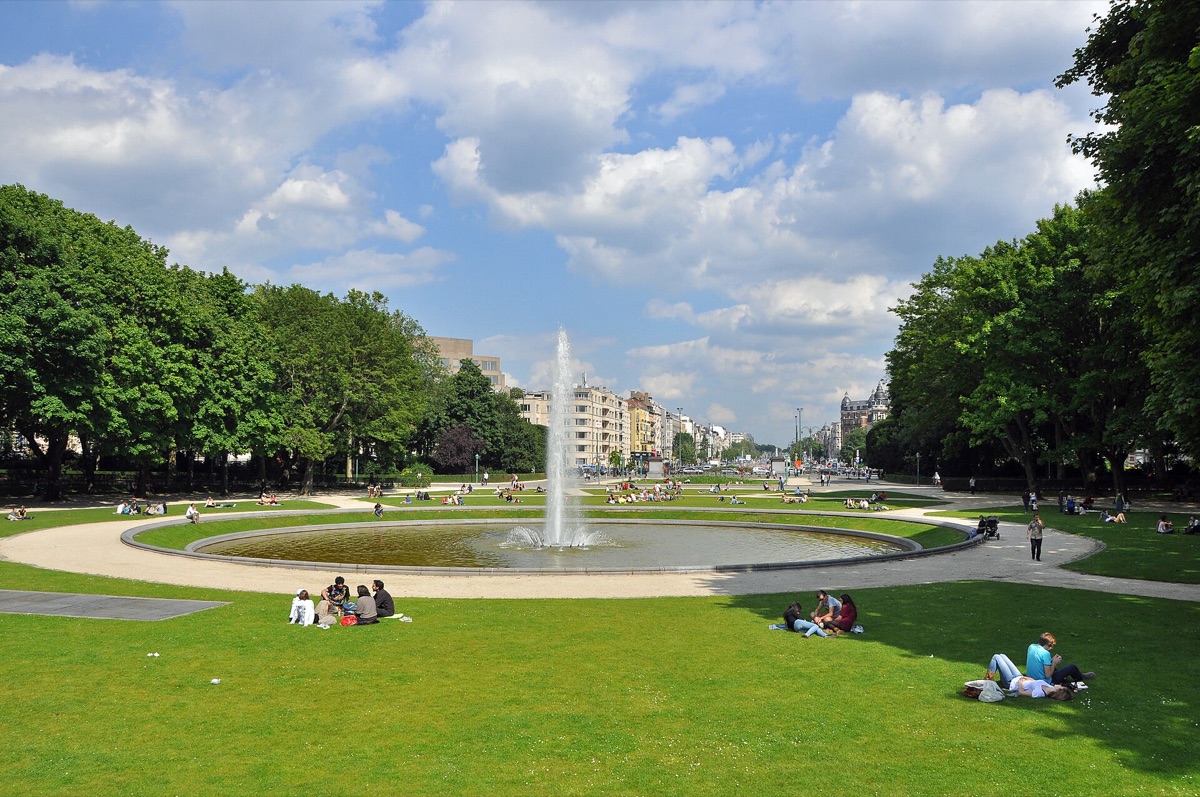
I walked through a newly developed district last month and noticed how much more shade was integrated into the walkways compared to the older parts of town.
The difference was striking; the older streets felt like ovens, while the new designs utilized trees and overhangs to create natural corridors of cool air. This is the difference between old-school building and modern climate-conscious design.
Traditional architecture often relies on passive cooling techniques that may no longer be sufficient under extreme temperature shifts. For example, many older buildings were designed for moderate summers, not the prolonged heatwaves that are becoming more common.
This makes them difficult to cool without massive energy consumption.
Modern design is moving toward "heat-resilient" architecture. This includes using materials with higher albedo (reflectivity) to bounce sunlight away from buildings and the integration of living walls or rooftop gardens to provide natural insulation.
These techniques help reduce the reliance on mechanical air conditioning.
There is also a growing focus on natural ventilation and building orientation. Designing buildings that can catch even slight breezes or that use thermal mass to regulate indoor temperatures can significantly reduce energy needs.
However, these designs must be balanced against the need for airtightness in other extreme weather scenarios, such as wildfire smoke or cold snaps.
While these advancements are helpful, they are not a total solution. Architecture is only one piece of the puzzle; it must be paired with larger-scale urban planning to be truly effective.
A single green building cannot solve the problem of a city-wide heatwave if the surrounding streets remain vast expans c of black asphalt.
What are the limits of these strategies?
I sat in a park during a heat advisory, watching people struggle to find shade under a single, lonely tree. It was a sobering reminder that while we can plan and design, there are natural limits to how much we can manipulate our environment.
Some challenges are simply too vast for architecture or policy to solve overnight.
One major limitation is the sheer speed of change. Infrastructure projects, such as upgrading a city's water system or building new transit lines, take years or even decades to complete.
Weather patterns can shift much faster than humans can build, leaving many communities caught in a period of high vulnerability.
Economic constraints also pose a significant hurdle. The cost of retrofitting entire cities to be heat-resilient is astronomical.
Developing nations and smaller municipalities often lack the capital to invest in these advanced technologies, creating a gap in global resilience where only the wealthiest areas can afford to adapt.
Furthermore, these strategies cannot solve the root causes of atmospheric instability. While we can build better to live within a changing world, these are essentially defensive measures.
They do not address the underlying factors that drive extreme weather, meaning the baseline of what is considered "extreme" will likely continue to rise.
Finally, there is the human element. Technology and infrastructure can only go so far if social systems fail. If inequality is high, the most vulnerable will always bear the brunt of weather events, regardless of how many cooling centers are built.
Resilience is as much about social justice as it is about engineering.
According to The Heritage Foundation, the recorded figure is 08.
When I tried the steps in order, the second one is where I paused longest.
A weather phenomenon where a high-pressure system stays over a region for an extended period, preventing other weather systems from moving through.



Comments 0