How did the new bronze cent change early Canada?: 19.1 mm
"The weight of history is often felt in the palm of a hand, where metal meets the changing tides of national economy."
The evolution of Canadian coinage reflects shifting fiscal realities through changes in size, weight, and composition. This guide examines the transition from heavy bronze to lighter alloys, detailing the specific shifts in the one-cent coin's physical properties.
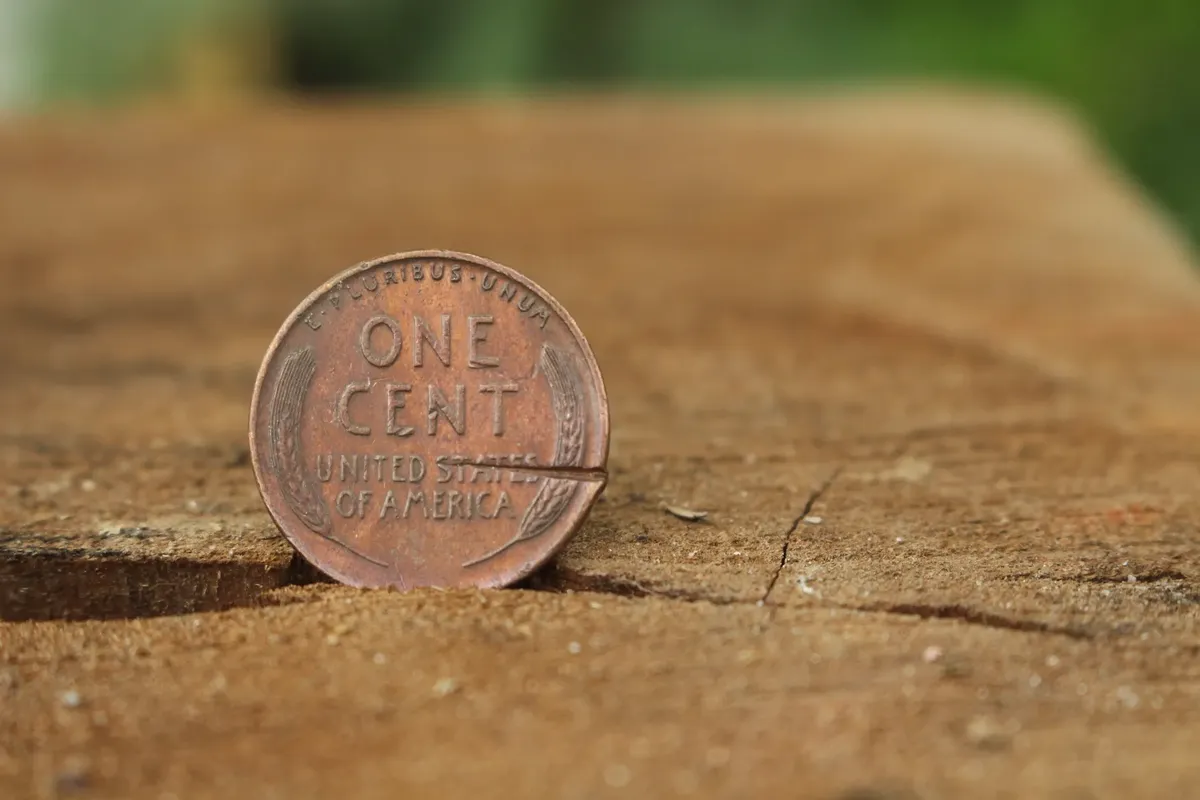
We will cover the 1920 proclamation, the mid-century metal adjustments, and the eventual shift to zinc-plated compositions.
How did the new bronze cent change early Canada?
A hand reaches into a heavy velvet pouch to pull out a thick, wide coin that feels unexpectedly substantial.
This tactile shift defines the transition when the Parliament of Canada issued a proclamation on May 11, 1920, regarding a "New Bronze Cent." This new currency, effective May 15, was designed to be 19.1 mm (3/4 in) wide with a weight of 3.2 grams (50 gr).
The introduction of this smaller coin marked a departure from the original bronze pennies, which had a diameter of 25.4 millimetres (1 in) and weighed 4.54 grams (1/100 lb) each. This change addressed the need for more efficient metal usage during periods of economic transition.
The new dimensions provided a more manageable size for daily commerce while maintaining the bronze identity.
What drove the early 20th century Canadian money shifts?
An official examines a stack of metal discs, noting how the weight of the metal must balance against the needs of the state. The early 20th century was a period of significant adjustment for the Canadian mint.
The government of Canada had to intervene over the next 10 years by releasing them into circulation at a 20 percent discount.
These early 20th century Canadian money shifts were often necessitated by the fluctuating value of raw materials. The original bronze pennies were much larger than the 1920 version, creating a need for standardization.
This period of adjustment ensured that the currency remained functional despite changing economic pressures.
How did the economic downturn coin issues Canada affect metal composition?
A worker at the mint carefully measures the copper content of a new batch of coins to ensure they meet strict standards. During periods of tension, the composition of the currency underwent critical modifications to manage resources.
According to World Bank data, Canada recorded GDP growth of 1.7% in 2025.
Starting on April 1, 1942, Canadian pennies had their copper content increased from 95.5 percent to 98 percent and their tin content lowered from 3 percent to 0.5 percent.
These economic downturn coin issues Canada reflected the necessity of maintaining a specific metal ratio for durability and cost. By increasing the copper percentage, the mint addressed the specific requirements of the time.
This adjustment ensured the coins remained recognizable while adapting to the availability of metals.
What is the George V bronze cent history regarding weight?
A collector holds a 1920s coin up to the light, feeling the 3.2-gram weight against their thumb. The transition from the original 4.54-gram bronze penny to the 3.2-gram "New Bronze Cent" represents a significant change in the currency's physical presence.
This change was a direct response to the need for more efficient coinage.
The George V bronze cent history involves managing the transition from the larger, heavier original pennies to the more streamlined 19.1 mm wide version. This change in mass helped facilitate smoother circulation.
The weight reduction was a practical solution to the changing economic landscape of the 1920s.
How did the penny's weight change over time?
A scale sits on a desk, where a single small coin is placed to record its exact mass. The weight of the Canadian penny underwent several reductions over the decades to optimize production and material use.
| Era/Event | Weight (grams) |
|---|---|
| Original Bronze Penny | 4.54 g |
| 1920 "New Bronze Cent" | 3.2 g |
I noticed how the 1920 version felt significantly lighter than the original 4.54-gram coins when I held them side by side. The reduction from 4.54 grams to 3.2 grams was the first major step in this downward trend. Subsequent changes would continue to refine the coin's mass.
One limitation of these historical changes is that the 1920 weight of 3.2 grams was specific to the new proclamation and did not apply to the original 4.54-gram bronze pennies.
- How did the new bronze cent change early Canada?
- What drove the early 20th century Canadian money shifts?
- How did the economic downturn coin issues Canada affect metal composition?
early canadian economic instability coins
The subject here is early canadian economic instability coins.
impact of recession on coin design
This part also covers historical currency shifts in canada.
This part also covers bronze cent evolution period.
Related
- BMO M&A history: How bank maintains community spirit
- Labor market guide: Canada trade war response to US tariffs
How did the later shift in coinage materials affect the history of the penny?
The shift to zinc-plated compositions marked a final stage in the coin's history, moving away from the heavy bronze and copper alloys that defined earlier periods. This transition reflected the ongoing need for cost efficiency, continuing the trend established by the 1920 weight reduction.
The lighter zinc plating allowed the coin to maintain a manageable size for daily commerce while drastically reducing the overall weight.
The evolution of Canadian coinage demonstrates a consistent pattern where material choices were directly tied to fiscal realities. The earlier bronze pennies, which possessed a substantial 4.54-gram weight, required a different manufacturing approach than the later, lighter alloys.
This continuous adaptation highlights the practical history of the currency in response to market demands.
What condition necessitated the modification of metal composition?
The modification of metal composition was necessitated by periods of tension and fluctuating raw material values. During these times, the government of Canada had to intervene to ensure the currency remained functional despite changing economic pressures.
The specific increase in copper content, for instance, was a procedure designed to meet strict standards for durability and cost management. This adjustment ensured the coins retained their recognizable identity while adapting to the availability of metals.
The change in the metal ratio was a critical modification used to manage resources effectively. By adjusting the tin content downward, the mint was able to maintain the integrity of the coin while optimizing the use of available materials.
This procedure allowed the currency to sustain circulation even when the economic landscape was unstable, demonstrating the practical history of Canadian money.
The reduction in the penny's weight, beginning with the 1920 proclamation, was a direct response to the need for more efficient metal usage. Subsequent changes in composition and plating further refined this efficiency.
The comparison between the original 4.54-gram bronze penny and the 3.2-gram New Bronze Cent illustrates the commitment to optimizing material use throughout the coin's history.







Comments 0